Riverflow 2.5 Pro

Riverflow 2.5 Pro is the higher-capability variant in Sourceful's Riverflow 2.5 family. It supports both text-to-image and image-to-image workflows and is positioned for commercial visual work that needs stronger output quality, tighter brand control, and more dependable production results across packaging, product imagery, advertising, and design-heavy creative pipelines.
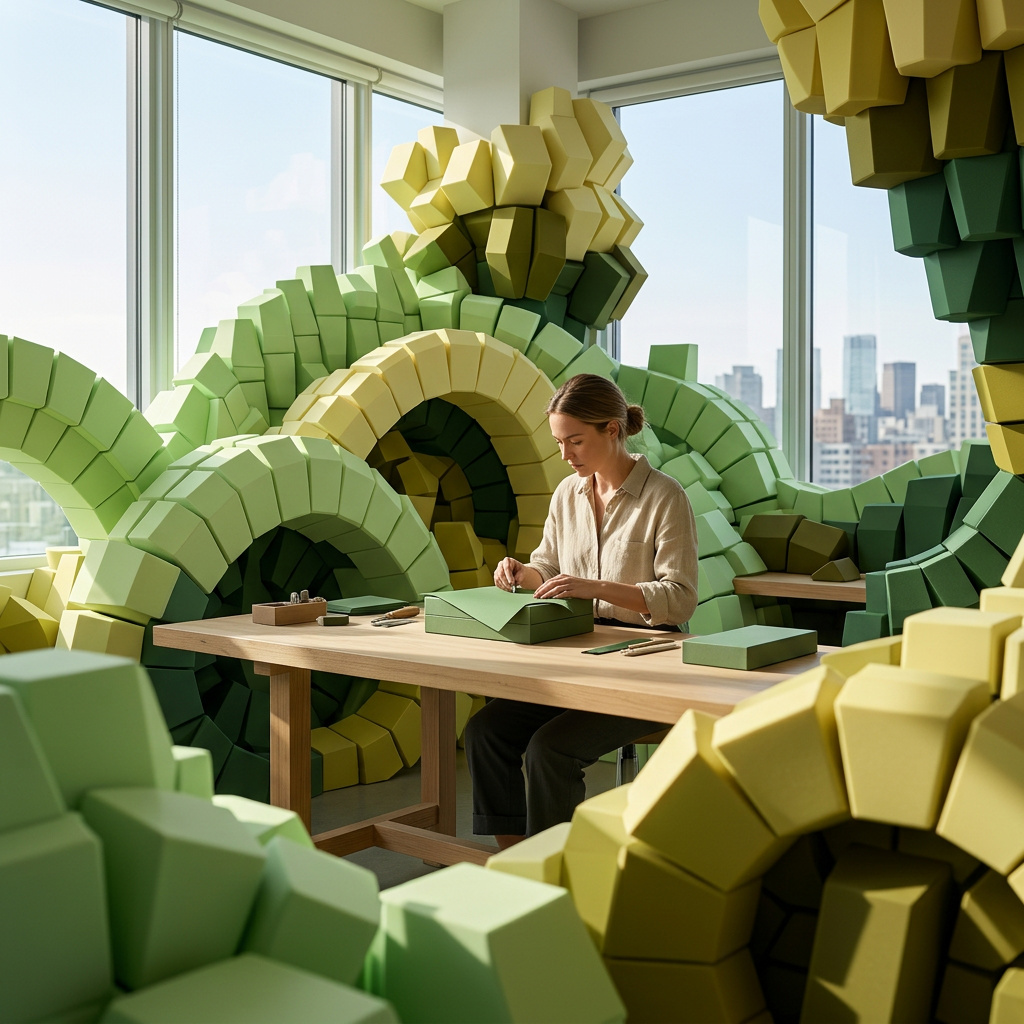
text-to-image
Historic Cemetery Flood Adaptation Visualization$0.179~2m 38s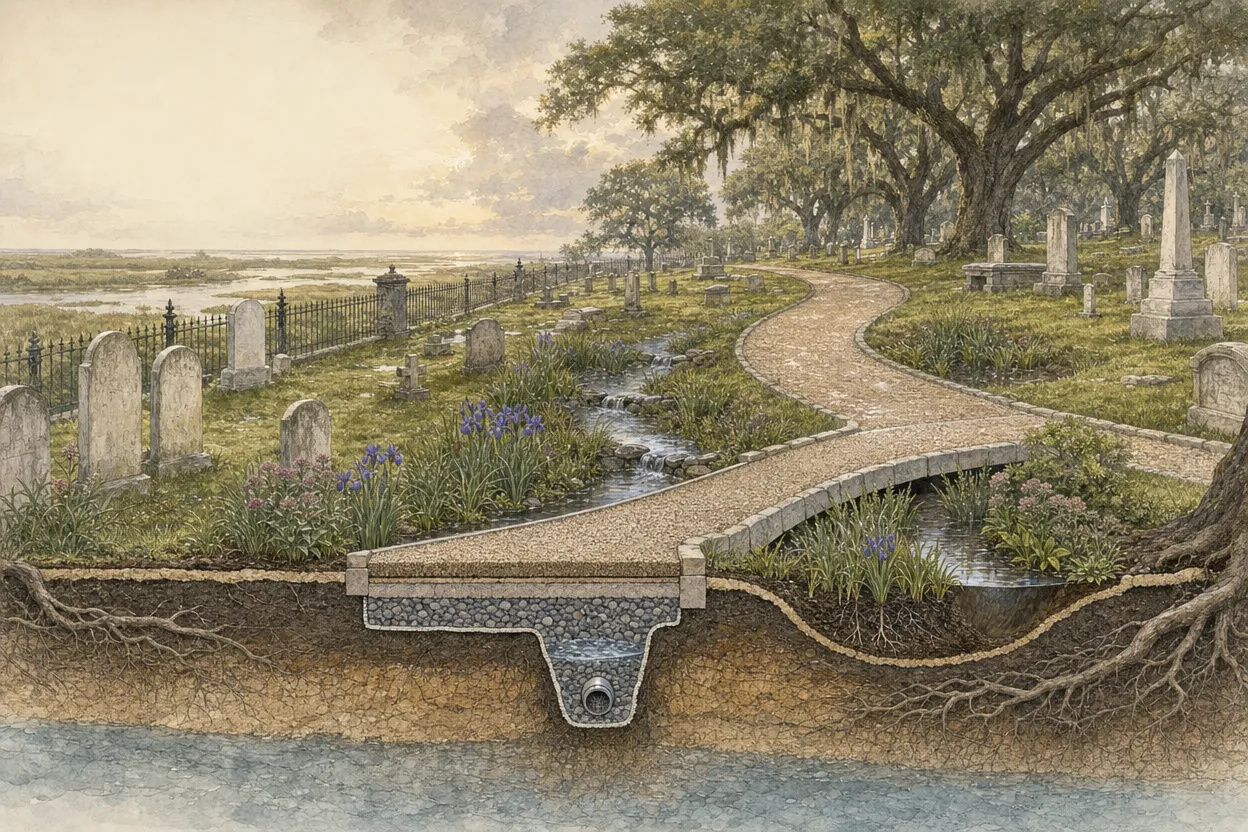
Create a finished landscape-architecture visualization for a municipal planning presentation about flood adaptation at a historic coastal cemetery. Show one coherent oblique cutaway view across a gently sloping cemetery immediately after rain. The clear subject is a discreet new stormwater landscape woven respectfully among weathered nineteenth-century limestone headstones, mature live oaks, and low meadow grass. A raised permeable gravel path curves through the middle ground, crossing a shallow planted bioswale filled with blue flag iris, soft rush, sedges, and swamp milkweed. Small stone check dams slow the remaining rainwater, while a recessed rain garden collects runoff near the downhill boundary. Keep all interventions understated, dignified, realistic, and visibly accessible without disturbing graves. Along the lower foreground edge, reveal a precise sectional cutaway through the ground: permeable path layers, compacted stone base, clean gravel drainage trench, perforated pipe, geotextile, undisturbed soil horizons, carefully preserved tree roots, and a pale blue-gray water table below. Make the relationship between the visible landscape and concealed drainage construction immediately understandable without labels. Include a modest wrought-iron perimeter fence and glimpses of tidal marsh beyond the cemetery, establishing why flood resilience is needed. No workers, machinery, excavated graves, dramatic damage, or funerary activity. Lighting is calm silver-gold late afternoon after a storm, with breaks in the cloud cover, soft directional sunlight on wet stone, restrained reflections in shallow water, and humid coastal atmosphere. Art direction: highly detailed hand-rendered technical illustration combining opaque gouache, transparent watercolor washes, graphite, and colored pencil on warm ivory paper; the compositional clarity of a contemporary landscape-architecture competition drawing with the tactile dignity of a 1930s civic conservation mural. Muted mineral palette of limestone cream, moss green, celadon, iron gray, rain blue, umber, and small accents of iris violet. Accurate plant forms, believable hydrology, nuanced weathering, crisp construction details, restrained human-scale realism, quiet and reassuring mood. Landscape composition at a 3:2 ratio, with the cemetery scene occupying the upper two-thirds and the sectional ground detail integrated naturally across the lower foreground. Standalone illustration only: no title, labels, legends, numbers, logos, borders, presentation panels, interface elements, or mockup context.
import { createClient } from '@runware/sdk'

const client = await createClient({ apiKey: process.env.RUNWARE_API_KEY })
await client.connect()

const [result] = await client.run({
  model: 'sourceful:riverflow-2.5@pro',
  positivePrompt: 'Create a finished landscape-architecture visualization for a municipal planning presentation about flood adaptation at a historic coastal cemetery. Show one coherent oblique cutaway view across a gently sloping cemetery immediately after rain. The clear subject is a discreet new stormwater landscape woven respectfully among weathered nineteenth-century limestone headstones, mature live oaks, and low meadow grass. A raised permeable gravel path curves through the middle ground, crossing a shallow planted bioswale filled with blue flag iris, soft rush, sedges, and swamp milkweed. Small stone check dams slow the remaining rainwater, while a recessed rain garden collects runoff near the downhill boundary. Keep all interventions understated, dignified, realistic, and visibly accessible without disturbing graves.\n\nAlong the lower foreground edge, reveal a precise sectional cutaway through the ground: permeable path layers, compacted stone base, clean gravel drainage trench, perforated pipe, geotextile, undisturbed soil horizons, carefully preserved tree roots, and a pale blue-gray water table below. Make the relationship between the visible landscape and concealed drainage construction immediately understandable without labels. Include a modest wrought-iron perimeter fence and glimpses of tidal marsh beyond the cemetery, establishing why flood resilience is needed. No workers, machinery, excavated graves, dramatic damage, or funerary activity.\n\nLighting is calm silver-gold late afternoon after a storm, with breaks in the cloud cover, soft directional sunlight on wet stone, restrained reflections in shallow water, and humid coastal atmosphere. Art direction: highly detailed hand-rendered technical illustration combining opaque gouache, transparent watercolor washes, graphite, and colored pencil on warm ivory paper; the compositional clarity of a contemporary landscape-architecture competition drawing with the tactile dignity of a 1930s civic conservation mural. Muted mineral palette of limestone cream, moss green, celadon, iron gray, rain blue, umber, and small accents of iris violet. Accurate plant forms, believable hydrology, nuanced weathering, crisp construction details, restrained human-scale realism, quiet and reassuring mood. Landscape composition at a 3:2 ratio, with the cemetery scene occupying the upper two-thirds and the sectional ground detail integrated naturally across the lower foreground. Standalone illustration only: no title, labels, legends, numbers, logos, borders, presentation panels, interface elements, or mockup context.',
  width: 1248,
  height: 832,
  settings: {
    enhancePrompt: true,
    thinkingLevel: 'medium'
  }
})
import asyncio
import os
from runware import Runware
async def main():
async with Runware(api_key=os.environ["RUNWARE_API_KEY"]) as client:
results = await client.run({
"model": "sourceful:riverflow-2.5@pro",
"positivePrompt": "Create a finished landscape-architecture visualization for a municipal planning presentation about flood adaptation at a historic coastal cemetery. Show one coherent oblique cutaway view across a gently sloping cemetery immediately after rain. The clear subject is a discreet new stormwater landscape woven respectfully among weathered nineteenth-century limestone headstones, mature live oaks, and low meadow grass. A raised permeable gravel path curves through the middle ground, crossing a shallow planted bioswale filled with blue flag iris, soft rush, sedges, and swamp milkweed. Small stone check dams slow the remaining rainwater, while a recessed rain garden collects runoff near the downhill boundary. Keep all interventions understated, dignified, realistic, and visibly accessible without disturbing graves.\n\nAlong the lower foreground edge, reveal a precise sectional cutaway through the ground: permeable path layers, compacted stone base, clean gravel drainage trench, perforated pipe, geotextile, undisturbed soil horizons, carefully preserved tree roots, and a pale blue-gray water table below. Make the relationship between the visible landscape and concealed drainage construction immediately understandable without labels. Include a modest wrought-iron perimeter fence and glimpses of tidal marsh beyond the cemetery, establishing why flood resilience is needed. No workers, machinery, excavated graves, dramatic damage, or funerary activity.\n\nLighting is calm silver-gold late afternoon after a storm, with breaks in the cloud cover, soft directional sunlight on wet stone, restrained reflections in shallow water, and humid coastal atmosphere. Art direction: highly detailed hand-rendered technical illustration combining opaque gouache, transparent watercolor washes, graphite, and colored pencil on warm ivory paper; the compositional clarity of a contemporary landscape-architecture competition drawing with the tactile dignity of a 1930s civic conservation mural. Muted mineral palette of limestone cream, moss green, celadon, iron gray, rain blue, umber, and small accents of iris violet. Accurate plant forms, believable hydrology, nuanced weathering, crisp construction details, restrained human-scale realism, quiet and reassuring mood. Landscape composition at a 3:2 ratio, with the cemetery scene occupying the upper two-thirds and the sectional ground detail integrated naturally across the lower foreground. Standalone illustration only: no title, labels, legends, numbers, logos, borders, presentation panels, interface elements, or mockup context.",
"width": 1248,
"height": 832,
"settings": {
"enhancePrompt": True,
"thinkingLevel": "medium"
}
})
asyncio.run(main())curl https://api.runware.ai/v1 \
-H "Authorization: Bearer $RUNWARE_API_KEY" \
-H "Content-Type: application/json" \
-d '[
{
  "taskType": "imageInference",
  "taskUUID": "5db4d439-0dfd-4d12-939f-2c515d9ba157",
  "model": "sourceful:riverflow-2.5@pro",
  "positivePrompt": "Create a finished landscape-architecture visualization for a municipal planning presentation about flood adaptation at a historic coastal cemetery. Show one coherent oblique cutaway view across a gently sloping cemetery immediately after rain. The clear subject is a discreet new stormwater landscape woven respectfully among weathered nineteenth-century limestone headstones, mature live oaks, and low meadow grass. A raised permeable gravel path curves through the middle ground, crossing a shallow planted bioswale filled with blue flag iris, soft rush, sedges, and swamp milkweed. Small stone check dams slow the remaining rainwater, while a recessed rain garden collects runoff near the downhill boundary. Keep all interventions understated, dignified, realistic, and visibly accessible without disturbing graves.\n\nAlong the lower foreground edge, reveal a precise sectional cutaway through the ground: permeable path layers, compacted stone base, clean gravel drainage trench, perforated pipe, geotextile, undisturbed soil horizons, carefully preserved tree roots, and a pale blue-gray water table below. Make the relationship between the visible landscape and concealed drainage construction immediately understandable without labels. Include a modest wrought-iron perimeter fence and glimpses of tidal marsh beyond the cemetery, establishing why flood resilience is needed. No workers, machinery, excavated graves, dramatic damage, or funerary activity.\n\nLighting is calm silver-gold late afternoon after a storm, with breaks in the cloud cover, soft directional sunlight on wet stone, restrained reflections in shallow water, and humid coastal atmosphere. Art direction: highly detailed hand-rendered technical illustration combining opaque gouache, transparent watercolor washes, graphite, and colored pencil on warm ivory paper; the compositional clarity of a contemporary landscape-architecture competition drawing with the tactile dignity of a 1930s civic conservation mural. Muted mineral palette of limestone cream, moss green, celadon, iron gray, rain blue, umber, and small accents of iris violet. Accurate plant forms, believable hydrology, nuanced weathering, crisp construction details, restrained human-scale realism, quiet and reassuring mood. Landscape composition at a 3:2 ratio, with the cemetery scene occupying the upper two-thirds and the sectional ground detail integrated naturally across the lower foreground. Standalone illustration only: no title, labels, legends, numbers, logos, borders, presentation panels, interface elements, or mockup context.",
  "width": 1248,
  "height": 832,
  "settings": {
    "enhancePrompt": true,
    "thinkingLevel": "medium"
  }
}
]'runware run sourceful:riverflow-2.5@pro \
positivePrompt="Create a finished landscape-architecture visualization for a municipal planning presentation about flood adaptation at a historic coastal cemetery. Show one coherent oblique cutaway view across a gently sloping cemetery immediately after rain. The clear subject is a discreet new stormwater landscape woven respectfully among weathered nineteenth-century limestone headstones, mature live oaks, and low meadow grass. A raised permeable gravel path curves through the middle ground, crossing a shallow planted bioswale filled with blue flag iris, soft rush, sedges, and swamp milkweed. Small stone check dams slow the remaining rainwater, while a recessed rain garden collects runoff near the downhill boundary. Keep all interventions understated, dignified, realistic, and visibly accessible without disturbing graves.
Along the lower foreground edge, reveal a precise sectional cutaway through the ground: permeable path layers, compacted stone base, clean gravel drainage trench, perforated pipe, geotextile, undisturbed soil horizons, carefully preserved tree roots, and a pale blue-gray water table below. Make the relationship between the visible landscape and concealed drainage construction immediately understandable without labels. Include a modest wrought-iron perimeter fence and glimpses of tidal marsh beyond the cemetery, establishing why flood resilience is needed. No workers, machinery, excavated graves, dramatic damage, or funerary activity.
Lighting is calm silver-gold late afternoon after a storm, with breaks in the cloud cover, soft directional sunlight on wet stone, restrained reflections in shallow water, and humid coastal atmosphere. Art direction: highly detailed hand-rendered technical illustration combining opaque gouache, transparent watercolor washes, graphite, and colored pencil on warm ivory paper; the compositional clarity of a contemporary landscape-architecture competition drawing with the tactile dignity of a 1930s civic conservation mural. Muted mineral palette of limestone cream, moss green, celadon, iron gray, rain blue, umber, and small accents of iris violet. Accurate plant forms, believable hydrology, nuanced weathering, crisp construction details, restrained human-scale realism, quiet and reassuring mood. Landscape composition at a 3:2 ratio, with the cemetery scene occupying the upper two-thirds and the sectional ground detail integrated naturally across the lower foreground. Standalone illustration only: no title, labels, legends, numbers, logos, borders, presentation panels, interface elements, or mockup context." \
width=1248 \
height=832 \
settings.enhancePrompt=true \
settings.thinkingLevel=medium{
"taskType": "imageInference",
"taskUUID": "5db4d439-0dfd-4d12-939f-2c515d9ba157",
"model": "sourceful:riverflow-2.5@pro",
"positivePrompt": "Create a finished landscape-architecture visualization for a municipal planning presentation about flood adaptation at a historic coastal cemetery. Show one coherent oblique cutaway view across a gently sloping cemetery immediately after rain. The clear subject is a discreet new stormwater landscape woven respectfully among weathered nineteenth-century limestone headstones, mature live oaks, and low meadow grass. A raised permeable gravel path curves through the middle ground, crossing a shallow planted bioswale filled with blue flag iris, soft rush, sedges, and swamp milkweed. Small stone check dams slow the remaining rainwater, while a recessed rain garden collects runoff near the downhill boundary. Keep all interventions understated, dignified, realistic, and visibly accessible without disturbing graves.\n\nAlong the lower foreground edge, reveal a precise sectional cutaway through the ground: permeable path layers, compacted stone base, clean gravel drainage trench, perforated pipe, geotextile, undisturbed soil horizons, carefully preserved tree roots, and a pale blue-gray water table below. Make the relationship between the visible landscape and concealed drainage construction immediately understandable without labels. Include a modest wrought-iron perimeter fence and glimpses of tidal marsh beyond the cemetery, establishing why flood resilience is needed. No workers, machinery, excavated graves, dramatic damage, or funerary activity.\n\nLighting is calm silver-gold late afternoon after a storm, with breaks in the cloud cover, soft directional sunlight on wet stone, restrained reflections in shallow water, and humid coastal atmosphere. Art direction: highly detailed hand-rendered technical illustration combining opaque gouache, transparent watercolor washes, graphite, and colored pencil on warm ivory paper; the compositional clarity of a contemporary landscape-architecture competition drawing with the tactile dignity of a 1930s civic conservation mural. Muted mineral palette of limestone cream, moss green, celadon, iron gray, rain blue, umber, and small accents of iris violet. Accurate plant forms, believable hydrology, nuanced weathering, crisp construction details, restrained human-scale realism, quiet and reassuring mood. Landscape composition at a 3:2 ratio, with the cemetery scene occupying the upper two-thirds and the sectional ground detail integrated naturally across the lower foreground. Standalone illustration only: no title, labels, legends, numbers, logos, borders, presentation panels, interface elements, or mockup context.",
"width": 1248,
"height": 832,
"settings": {
"enhancePrompt": true,
"thinkingLevel": "medium"
}
}Response
{
  "taskType": "imageInference",
  "taskUUID": "5db4d439-0dfd-4d12-939f-2c515d9ba157",
  "imageUUID": "4a7b79a7-4eb1-4b15-9069-f32db55b149f",
  "imageURL": "https://im.runware.ai/image/os/a02d21/ws/3/ii/4a7b79a7-4eb1-4b15-9069-f32db55b149f.jpg",
  "seed": 1659845525,
  "cost": 0.179383
}
reference-to-image
Tidal Aquaculture Operations Icon Set$0.72~3m 0s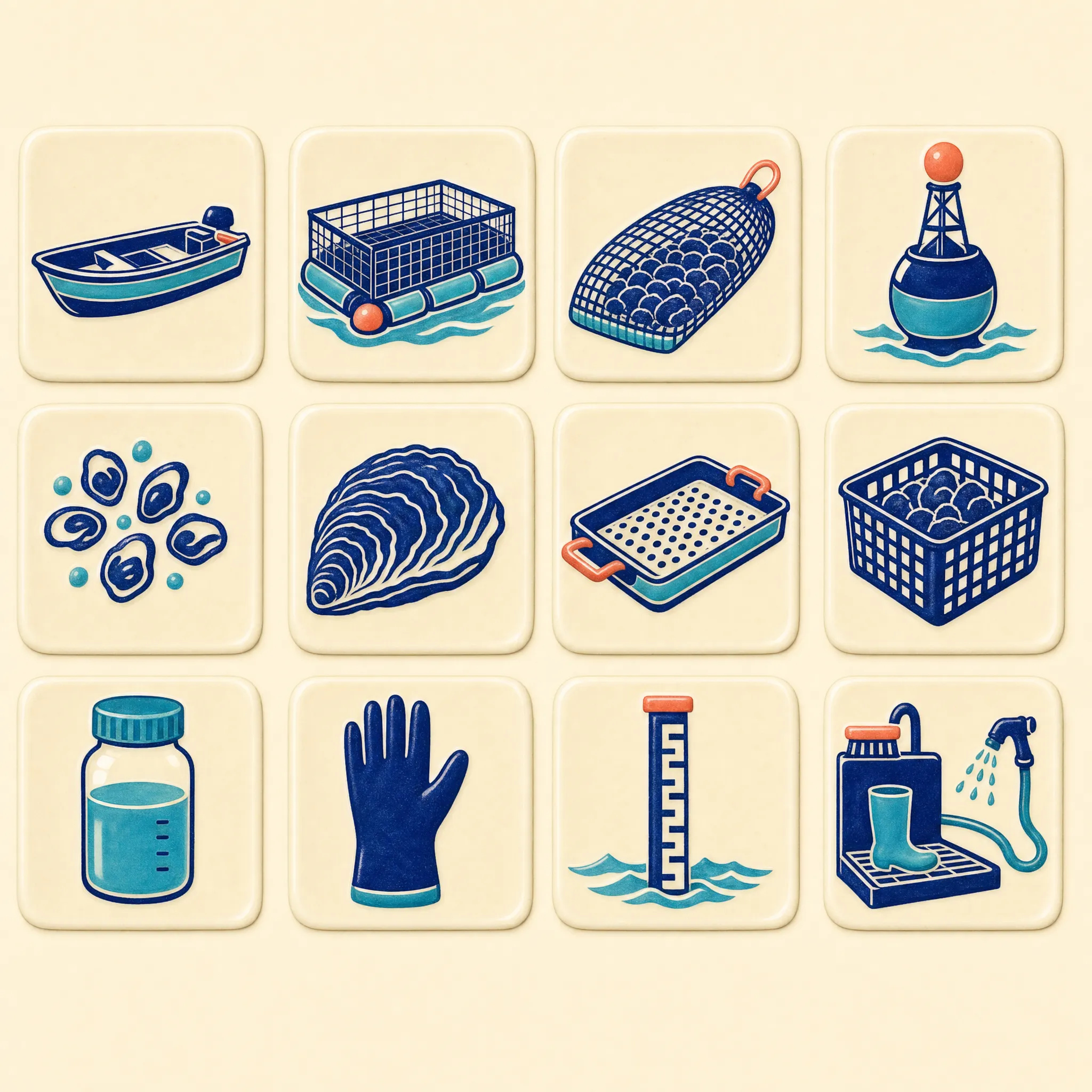
Create a polished 12-icon visual system for a commercial oyster hatchery and tidal aquaculture operation. Use the first reference image strictly as the subject and equipment reference: accurately interpret the oyster-farming skiff, floating cage, mesh grow-out bag, navigation buoy, juvenile oyster seed, adult oyster shell, grading sieve, sorting basket, water-quality sample bottle, protective glove, tide gauge, and biosecurity wash station. Use the second reference image strictly as the visual-treatment reference: translate its handcrafted ceramic maritime pictograms, cobalt and turquoise glazing, small coral accents, warm cream ground, bold geometric silhouettes, rounded contours, and subtle human irregularity into a coherent modern icon family. Do not copy the objects shown in the treatment reference; apply only its palette, line character, shape language, and tactile glazed finish to the aquaculture subjects from the first reference. Present exactly twelve distinct icons in a precise four-column by three-row grid on one square warm-cream artboard. Each icon occupies an equal invisible cell with generous spacing and identical optical scale. Use simplified front or three-quarter views chosen for immediate recognition, consistent heavy stroke weight, rounded line caps, compact silhouettes, and a shared balance of filled and outlined forms. Keep every symbol legible at small sizes while retaining one or two equipment-specific details. Restrict the palette to deep cobalt blue as the primary color, tidepool turquoise as the secondary color, sparing coral orange for functional highlights, and warm cream negative space. Add a very subtle ceramic-glaze texture within the colored shapes, but preserve crisp professional edges suitable for redrawing as vectors. Flat orthographic design, no perspective scene, no shadows between icons, no gradients, no decorative border, no labels, no letters, no numbers, no logo, no mockup, no interface, and no repeated symbols. The final image should read as a finished, cohesive icon-set presentation commissioned for real hatchery operations, combining marine craft heritage with contemporary wayfinding clarity and dependable production consistency. Compose cleanly for a high-resolution 2K square output.
import { createClient } from '@runware/sdk'

const client = await createClient({ apiKey: process.env.RUNWARE_API_KEY })
await client.connect()

const [result] = await client.run({
  model: 'sourceful:riverflow-2.5@pro',
  positivePrompt: 'Create a polished 12-icon visual system for a commercial oyster hatchery and tidal aquaculture operation. Use the first reference image strictly as the subject and equipment reference: accurately interpret the oyster-farming skiff, floating cage, mesh grow-out bag, navigation buoy, juvenile oyster seed, adult oyster shell, grading sieve, sorting basket, water-quality sample bottle, protective glove, tide gauge, and biosecurity wash station. Use the second reference image strictly as the visual-treatment reference: translate its handcrafted ceramic maritime pictograms, cobalt and turquoise glazing, small coral accents, warm cream ground, bold geometric silhouettes, rounded contours, and subtle human irregularity into a coherent modern icon family. Do not copy the objects shown in the treatment reference; apply only its palette, line character, shape language, and tactile glazed finish to the aquaculture subjects from the first reference.\n\nPresent exactly twelve distinct icons in a precise four-column by three-row grid on one square warm-cream artboard. Each icon occupies an equal invisible cell with generous spacing and identical optical scale. Use simplified front or three-quarter views chosen for immediate recognition, consistent heavy stroke weight, rounded line caps, compact silhouettes, and a shared balance of filled and outlined forms. Keep every symbol legible at small sizes while retaining one or two equipment-specific details. Restrict the palette to deep cobalt blue as the primary color, tidepool turquoise as the secondary color, sparing coral orange for functional highlights, and warm cream negative space. Add a very subtle ceramic-glaze texture within the colored shapes, but preserve crisp professional edges suitable for redrawing as vectors. Flat orthographic design, no perspective scene, no shadows between icons, no gradients, no decorative border, no labels, no letters, no numbers, no logo, no mockup, no interface, and no repeated symbols. The final image should read as a finished, cohesive icon-set presentation commissioned for real hatchery operations, combining marine craft heritage with contemporary wayfinding clarity and dependable production consistency. Compose cleanly for a high-resolution 2K square output.',
  resolution: '2K',
  settings: {
    thinkingLevel: 'high'
  },
  inputs: {
    referenceImages: [
      'https://assets.runware.ai/assets/inputs/1530a7bf-e3c0-4c51-b481-13ebaf8b3b51.jpg',
      'https://assets.runware.ai/assets/inputs/aa255e57-f921-46b6-a95c-3deedeca7bae.jpg'
    ]
  }
})
import asyncio
import os
from runware import Runware
async def main():
async with Runware(api_key=os.environ["RUNWARE_API_KEY"]) as client:
results = await client.run({
"model": "sourceful:riverflow-2.5@pro",
"positivePrompt": "Create a polished 12-icon visual system for a commercial oyster hatchery and tidal aquaculture operation. Use the first reference image strictly as the subject and equipment reference: accurately interpret the oyster-farming skiff, floating cage, mesh grow-out bag, navigation buoy, juvenile oyster seed, adult oyster shell, grading sieve, sorting basket, water-quality sample bottle, protective glove, tide gauge, and biosecurity wash station. Use the second reference image strictly as the visual-treatment reference: translate its handcrafted ceramic maritime pictograms, cobalt and turquoise glazing, small coral accents, warm cream ground, bold geometric silhouettes, rounded contours, and subtle human irregularity into a coherent modern icon family. Do not copy the objects shown in the treatment reference; apply only its palette, line character, shape language, and tactile glazed finish to the aquaculture subjects from the first reference.\n\nPresent exactly twelve distinct icons in a precise four-column by three-row grid on one square warm-cream artboard. Each icon occupies an equal invisible cell with generous spacing and identical optical scale. Use simplified front or three-quarter views chosen for immediate recognition, consistent heavy stroke weight, rounded line caps, compact silhouettes, and a shared balance of filled and outlined forms. Keep every symbol legible at small sizes while retaining one or two equipment-specific details. Restrict the palette to deep cobalt blue as the primary color, tidepool turquoise as the secondary color, sparing coral orange for functional highlights, and warm cream negative space. Add a very subtle ceramic-glaze texture within the colored shapes, but preserve crisp professional edges suitable for redrawing as vectors. Flat orthographic design, no perspective scene, no shadows between icons, no gradients, no decorative border, no labels, no letters, no numbers, no logo, no mockup, no interface, and no repeated symbols. The final image should read as a finished, cohesive icon-set presentation commissioned for real hatchery operations, combining marine craft heritage with contemporary wayfinding clarity and dependable production consistency. Compose cleanly for a high-resolution 2K square output.",
"resolution": "2K",
"settings": {
"thinkingLevel": "high"
},
"inputs": {
"referenceImages": [
"https://assets.runware.ai/assets/inputs/1530a7bf-e3c0-4c51-b481-13ebaf8b3b51.jpg",
"https://assets.runware.ai/assets/inputs/aa255e57-f921-46b6-a95c-3deedeca7bae.jpg"
]
}
})
asyncio.run(main())curl https://api.runware.ai/v1 \
-H "Authorization: Bearer $RUNWARE_API_KEY" \
-H "Content-Type: application/json" \
-d '[
{
  "taskType": "imageInference",
  "taskUUID": "41400b97-4796-4c43-9361-5ed30d66a98f",
  "model": "sourceful:riverflow-2.5@pro",
  "positivePrompt": "Create a polished 12-icon visual system for a commercial oyster hatchery and tidal aquaculture operation. Use the first reference image strictly as the subject and equipment reference: accurately interpret the oyster-farming skiff, floating cage, mesh grow-out bag, navigation buoy, juvenile oyster seed, adult oyster shell, grading sieve, sorting basket, water-quality sample bottle, protective glove, tide gauge, and biosecurity wash station. Use the second reference image strictly as the visual-treatment reference: translate its handcrafted ceramic maritime pictograms, cobalt and turquoise glazing, small coral accents, warm cream ground, bold geometric silhouettes, rounded contours, and subtle human irregularity into a coherent modern icon family. Do not copy the objects shown in the treatment reference; apply only its palette, line character, shape language, and tactile glazed finish to the aquaculture subjects from the first reference.\n\nPresent exactly twelve distinct icons in a precise four-column by three-row grid on one square warm-cream artboard. Each icon occupies an equal invisible cell with generous spacing and identical optical scale. Use simplified front or three-quarter views chosen for immediate recognition, consistent heavy stroke weight, rounded line caps, compact silhouettes, and a shared balance of filled and outlined forms. Keep every symbol legible at small sizes while retaining one or two equipment-specific details. Restrict the palette to deep cobalt blue as the primary color, tidepool turquoise as the secondary color, sparing coral orange for functional highlights, and warm cream negative space. Add a very subtle ceramic-glaze texture within the colored shapes, but preserve crisp professional edges suitable for redrawing as vectors. Flat orthographic design, no perspective scene, no shadows between icons, no gradients, no decorative border, no labels, no letters, no numbers, no logo, no mockup, no interface, and no repeated symbols. The final image should read as a finished, cohesive icon-set presentation commissioned for real hatchery operations, combining marine craft heritage with contemporary wayfinding clarity and dependable production consistency. Compose cleanly for a high-resolution 2K square output.",
  "resolution": "2K",
  "settings": {
    "thinkingLevel": "high"
  },
  "inputs": {
    "referenceImages": [
      "https://assets.runware.ai/assets/inputs/1530a7bf-e3c0-4c51-b481-13ebaf8b3b51.jpg",
      "https://assets.runware.ai/assets/inputs/aa255e57-f921-46b6-a95c-3deedeca7bae.jpg"
    ]
  }
}
]'runware run sourceful:riverflow-2.5@pro \
positivePrompt="Create a polished 12-icon visual system for a commercial oyster hatchery and tidal aquaculture operation. Use the first reference image strictly as the subject and equipment reference: accurately interpret the oyster-farming skiff, floating cage, mesh grow-out bag, navigation buoy, juvenile oyster seed, adult oyster shell, grading sieve, sorting basket, water-quality sample bottle, protective glove, tide gauge, and biosecurity wash station. Use the second reference image strictly as the visual-treatment reference: translate its handcrafted ceramic maritime pictograms, cobalt and turquoise glazing, small coral accents, warm cream ground, bold geometric silhouettes, rounded contours, and subtle human irregularity into a coherent modern icon family. Do not copy the objects shown in the treatment reference; apply only its palette, line character, shape language, and tactile glazed finish to the aquaculture subjects from the first reference.
Present exactly twelve distinct icons in a precise four-column by three-row grid on one square warm-cream artboard. Each icon occupies an equal invisible cell with generous spacing and identical optical scale. Use simplified front or three-quarter views chosen for immediate recognition, consistent heavy stroke weight, rounded line caps, compact silhouettes, and a shared balance of filled and outlined forms. Keep every symbol legible at small sizes while retaining one or two equipment-specific details. Restrict the palette to deep cobalt blue as the primary color, tidepool turquoise as the secondary color, sparing coral orange for functional highlights, and warm cream negative space. Add a very subtle ceramic-glaze texture within the colored shapes, but preserve crisp professional edges suitable for redrawing as vectors. Flat orthographic design, no perspective scene, no shadows between icons, no gradients, no decorative border, no labels, no letters, no numbers, no logo, no mockup, no interface, and no repeated symbols. The final image should read as a finished, cohesive icon-set presentation commissioned for real hatchery operations, combining marine craft heritage with contemporary wayfinding clarity and dependable production consistency. Compose cleanly for a high-resolution 2K square output." \
resolution=2K \
settings.thinkingLevel=high \
inputs.referenceImages.0=https://assets.runware.ai/assets/inputs/1530a7bf-e3c0-4c51-b481-13ebaf8b3b51.jpg \
inputs.referenceImages.1=https://assets.runware.ai/assets/inputs/aa255e57-f921-46b6-a95c-3deedeca7bae.jpg{
"taskType": "imageInference",
"taskUUID": "41400b97-4796-4c43-9361-5ed30d66a98f",
"model": "sourceful:riverflow-2.5@pro",
"positivePrompt": "Create a polished 12-icon visual system for a commercial oyster hatchery and tidal aquaculture operation. Use the first reference image strictly as the subject and equipment reference: accurately interpret the oyster-farming skiff, floating cage, mesh grow-out bag, navigation buoy, juvenile oyster seed, adult oyster shell, grading sieve, sorting basket, water-quality sample bottle, protective glove, tide gauge, and biosecurity wash station. Use the second reference image strictly as the visual-treatment reference: translate its handcrafted ceramic maritime pictograms, cobalt and turquoise glazing, small coral accents, warm cream ground, bold geometric silhouettes, rounded contours, and subtle human irregularity into a coherent modern icon family. Do not copy the objects shown in the treatment reference; apply only its palette, line character, shape language, and tactile glazed finish to the aquaculture subjects from the first reference.\n\nPresent exactly twelve distinct icons in a precise four-column by three-row grid on one square warm-cream artboard. Each icon occupies an equal invisible cell with generous spacing and identical optical scale. Use simplified front or three-quarter views chosen for immediate recognition, consistent heavy stroke weight, rounded line caps, compact silhouettes, and a shared balance of filled and outlined forms. Keep every symbol legible at small sizes while retaining one or two equipment-specific details. Restrict the palette to deep cobalt blue as the primary color, tidepool turquoise as the secondary color, sparing coral orange for functional highlights, and warm cream negative space. Add a very subtle ceramic-glaze texture within the colored shapes, but preserve crisp professional edges suitable for redrawing as vectors. Flat orthographic design, no perspective scene, no shadows between icons, no gradients, no decorative border, no labels, no letters, no numbers, no logo, no mockup, no interface, and no repeated symbols. The final image should read as a finished, cohesive icon-set presentation commissioned for real hatchery operations, combining marine craft heritage with contemporary wayfinding clarity and dependable production consistency. Compose cleanly for a high-resolution 2K square output.",
"resolution": "2K",
"settings": {
"thinkingLevel": "high"
},
"inputs": {
"referenceImages": [
"https://assets.runware.ai/assets/inputs/1530a7bf-e3c0-4c51-b481-13ebaf8b3b51.jpg",
"https://assets.runware.ai/assets/inputs/aa255e57-f921-46b6-a95c-3deedeca7bae.jpg"
]
}
}Response
{
  "taskType": "imageInference",
  "taskUUID": "41400b97-4796-4c43-9361-5ed30d66a98f",
  "imageUUID": "67407ee3-e958-42cb-9749-4c1510e1e9ab",
  "imageURL": "https://im.runware.ai/image/os/a05d22/ws/4/ii/67407ee3-e958-42cb-9749-4c1510e1e9ab.jpg",
  "seed": 1643517044,
  "cost": 0.720001
}
solid-background
Savory Tomato Cocktail Menu Portrait$0.203~2m 1s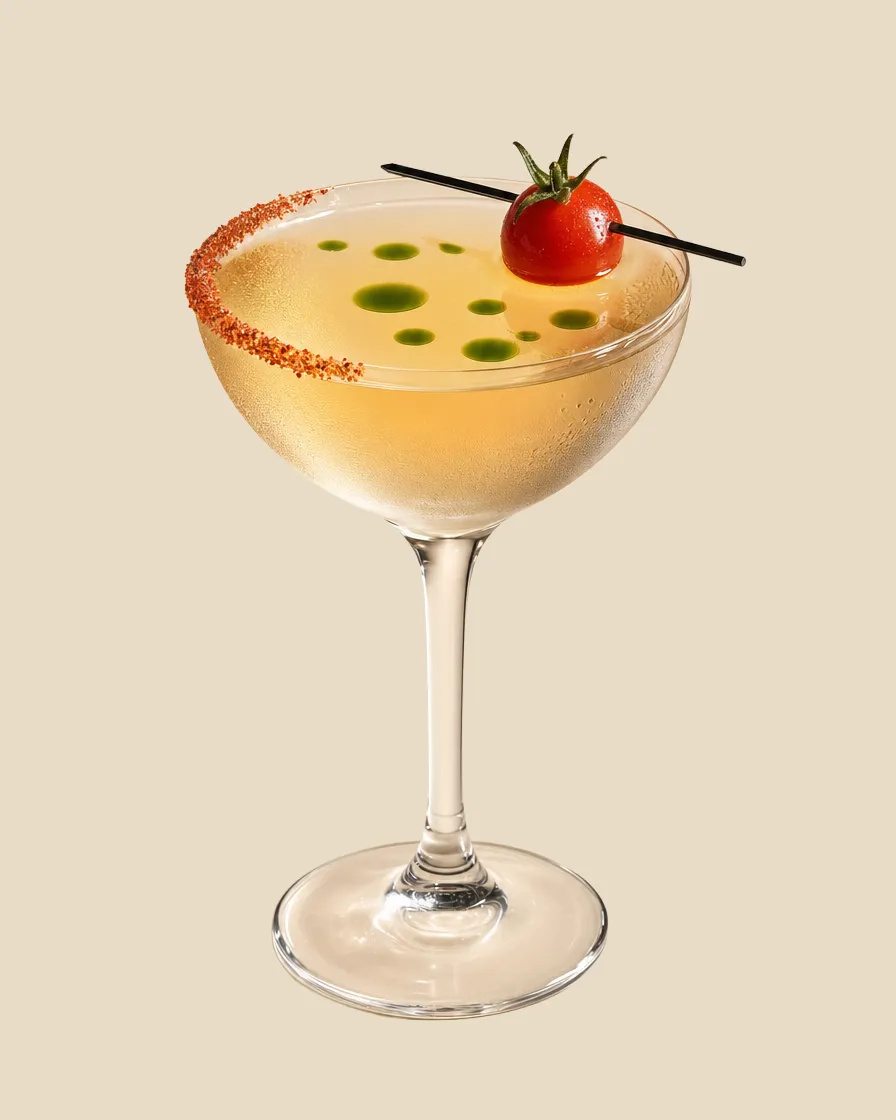
Create a finished high-end menu photograph of one savory clarified tomato cocktail, treated as a sculptural hero subject. A slender hand-blown coupe glass holds a transparent pale-gold tomato-water drink with a faint warm blush, several precise emerald basil-oil droplets on the surface, and one glossy scarlet cherry tomato pierced by a short matte-black cocktail pick resting neatly across the rim. Add a very thin red chili-salt crescent to only one side of the rim. The drink must look cold, pristine, sophisticated, and genuinely appetizing, with delicate condensation and crisp highlights on the glass. Single isolated subject only: no bottle, no second glass, no ingredients scattered around it, no hands, no tableware, no lettering, no logo. Strong recognizable silhouette with generous negative space around the bowl, stem, and foot. Compose vertically for a portrait restaurant-menu feature, glass centered slightly below the optical midpoint and shown completely from rim to base. Three-quarter eye-level product angle, 100mm commercial food-photography look, sharp garnish and rim, controlled depth of field while preserving the full glass silhouette. Hard directional studio light from upper left creates a luminous liquid, jewel-like red and green accents, precise specular highlights, and a compact grounding shadow; subtle rear rim light cleanly separates every edge from the configured solid background. Contemporary editorial art direction combining luxury cocktail photography with clinical botanical precision. Clean uniform background, no visible horizon, no texture, no gradient, no environmental scene. Photorealistic, premium hospitality campaign quality, meticulous glass geometry, realistic refraction, natural condensation, accurate proportions, restrained styling.
import { createClient } from '@runware/sdk'

const client = await createClient({ apiKey: process.env.RUNWARE_API_KEY })
await client.connect()

const [result] = await client.run({
  model: 'sourceful:riverflow-2.5@pro',
  positivePrompt: 'Create a finished high-end menu photograph of one savory clarified tomato cocktail, treated as a sculptural hero subject. A slender hand-blown coupe glass holds a transparent pale-gold tomato-water drink with a faint warm blush, several precise emerald basil-oil droplets on the surface, and one glossy scarlet cherry tomato pierced by a short matte-black cocktail pick resting neatly across the rim. Add a very thin red chili-salt crescent to only one side of the rim. The drink must look cold, pristine, sophisticated, and genuinely appetizing, with delicate condensation and crisp highlights on the glass. Single isolated subject only: no bottle, no second glass, no ingredients scattered around it, no hands, no tableware, no lettering, no logo. Strong recognizable silhouette with generous negative space around the bowl, stem, and foot. Compose vertically for a portrait restaurant-menu feature, glass centered slightly below the optical midpoint and shown completely from rim to base. Three-quarter eye-level product angle, 100mm commercial food-photography look, sharp garnish and rim, controlled depth of field while preserving the full glass silhouette. Hard directional studio light from upper left creates a luminous liquid, jewel-like red and green accents, precise specular highlights, and a compact grounding shadow; subtle rear rim light cleanly separates every edge from the configured solid background. Contemporary editorial art direction combining luxury cocktail photography with clinical botanical precision. Clean uniform background, no visible horizon, no texture, no gradient, no environmental scene. Photorealistic, premium hospitality campaign quality, meticulous glass geometry, realistic refraction, natural condensation, accurate proportions, restrained styling.',
  width: 896,
  height: 1120,
  settings: {
    backgroundMode: 'solid',
    backgroundColor: '#E8DCC8'
  }
})
import asyncio
import os
from runware import Runware
async def main():
async with Runware(api_key=os.environ["RUNWARE_API_KEY"]) as client:
results = await client.run({
"model": "sourceful:riverflow-2.5@pro",
"positivePrompt": "Create a finished high-end menu photograph of one savory clarified tomato cocktail, treated as a sculptural hero subject. A slender hand-blown coupe glass holds a transparent pale-gold tomato-water drink with a faint warm blush, several precise emerald basil-oil droplets on the surface, and one glossy scarlet cherry tomato pierced by a short matte-black cocktail pick resting neatly across the rim. Add a very thin red chili-salt crescent to only one side of the rim. The drink must look cold, pristine, sophisticated, and genuinely appetizing, with delicate condensation and crisp highlights on the glass. Single isolated subject only: no bottle, no second glass, no ingredients scattered around it, no hands, no tableware, no lettering, no logo. Strong recognizable silhouette with generous negative space around the bowl, stem, and foot. Compose vertically for a portrait restaurant-menu feature, glass centered slightly below the optical midpoint and shown completely from rim to base. Three-quarter eye-level product angle, 100mm commercial food-photography look, sharp garnish and rim, controlled depth of field while preserving the full glass silhouette. Hard directional studio light from upper left creates a luminous liquid, jewel-like red and green accents, precise specular highlights, and a compact grounding shadow; subtle rear rim light cleanly separates every edge from the configured solid background. Contemporary editorial art direction combining luxury cocktail photography with clinical botanical precision. Clean uniform background, no visible horizon, no texture, no gradient, no environmental scene. Photorealistic, premium hospitality campaign quality, meticulous glass geometry, realistic refraction, natural condensation, accurate proportions, restrained styling.",
"width": 896,
"height": 1120,
"settings": {
"backgroundMode": "solid",
"backgroundColor": "#E8DCC8"
}
})
asyncio.run(main())curl https://api.runware.ai/v1 \
-H "Authorization: Bearer $RUNWARE_API_KEY" \
-H "Content-Type: application/json" \
-d '[
{
  "taskType": "imageInference",
  "taskUUID": "e413ddd3-6a74-452f-a9f9-1b1f5373d202",
  "model": "sourceful:riverflow-2.5@pro",
  "positivePrompt": "Create a finished high-end menu photograph of one savory clarified tomato cocktail, treated as a sculptural hero subject. A slender hand-blown coupe glass holds a transparent pale-gold tomato-water drink with a faint warm blush, several precise emerald basil-oil droplets on the surface, and one glossy scarlet cherry tomato pierced by a short matte-black cocktail pick resting neatly across the rim. Add a very thin red chili-salt crescent to only one side of the rim. The drink must look cold, pristine, sophisticated, and genuinely appetizing, with delicate condensation and crisp highlights on the glass. Single isolated subject only: no bottle, no second glass, no ingredients scattered around it, no hands, no tableware, no lettering, no logo. Strong recognizable silhouette with generous negative space around the bowl, stem, and foot. Compose vertically for a portrait restaurant-menu feature, glass centered slightly below the optical midpoint and shown completely from rim to base. Three-quarter eye-level product angle, 100mm commercial food-photography look, sharp garnish and rim, controlled depth of field while preserving the full glass silhouette. Hard directional studio light from upper left creates a luminous liquid, jewel-like red and green accents, precise specular highlights, and a compact grounding shadow; subtle rear rim light cleanly separates every edge from the configured solid background. Contemporary editorial art direction combining luxury cocktail photography with clinical botanical precision. Clean uniform background, no visible horizon, no texture, no gradient, no environmental scene. Photorealistic, premium hospitality campaign quality, meticulous glass geometry, realistic refraction, natural condensation, accurate proportions, restrained styling.",
  "width": 896,
  "height": 1120,
  "settings": {
    "backgroundMode": "solid",
    "backgroundColor": "#E8DCC8"
  }
}
]'runware run sourceful:riverflow-2.5@pro \
positivePrompt="Create a finished high-end menu photograph of one savory clarified tomato cocktail, treated as a sculptural hero subject. A slender hand-blown coupe glass holds a transparent pale-gold tomato-water drink with a faint warm blush, several precise emerald basil-oil droplets on the surface, and one glossy scarlet cherry tomato pierced by a short matte-black cocktail pick resting neatly across the rim. Add a very thin red chili-salt crescent to only one side of the rim. The drink must look cold, pristine, sophisticated, and genuinely appetizing, with delicate condensation and crisp highlights on the glass. Single isolated subject only: no bottle, no second glass, no ingredients scattered around it, no hands, no tableware, no lettering, no logo. Strong recognizable silhouette with generous negative space around the bowl, stem, and foot. Compose vertically for a portrait restaurant-menu feature, glass centered slightly below the optical midpoint and shown completely from rim to base. Three-quarter eye-level product angle, 100mm commercial food-photography look, sharp garnish and rim, controlled depth of field while preserving the full glass silhouette. Hard directional studio light from upper left creates a luminous liquid, jewel-like red and green accents, precise specular highlights, and a compact grounding shadow; subtle rear rim light cleanly separates every edge from the configured solid background. Contemporary editorial art direction combining luxury cocktail photography with clinical botanical precision. Clean uniform background, no visible horizon, no texture, no gradient, no environmental scene. Photorealistic, premium hospitality campaign quality, meticulous glass geometry, realistic refraction, natural condensation, accurate proportions, restrained styling." \
width=896 \
height=1120 \
settings.backgroundMode=solid \
settings.backgroundColor="#E8DCC8"{
"taskType": "imageInference",
"taskUUID": "e413ddd3-6a74-452f-a9f9-1b1f5373d202",
"model": "sourceful:riverflow-2.5@pro",
"positivePrompt": "Create a finished high-end menu photograph of one savory clarified tomato cocktail, treated as a sculptural hero subject. A slender hand-blown coupe glass holds a transparent pale-gold tomato-water drink with a faint warm blush, several precise emerald basil-oil droplets on the surface, and one glossy scarlet cherry tomato pierced by a short matte-black cocktail pick resting neatly across the rim. Add a very thin red chili-salt crescent to only one side of the rim. The drink must look cold, pristine, sophisticated, and genuinely appetizing, with delicate condensation and crisp highlights on the glass. Single isolated subject only: no bottle, no second glass, no ingredients scattered around it, no hands, no tableware, no lettering, no logo. Strong recognizable silhouette with generous negative space around the bowl, stem, and foot. Compose vertically for a portrait restaurant-menu feature, glass centered slightly below the optical midpoint and shown completely from rim to base. Three-quarter eye-level product angle, 100mm commercial food-photography look, sharp garnish and rim, controlled depth of field while preserving the full glass silhouette. Hard directional studio light from upper left creates a luminous liquid, jewel-like red and green accents, precise specular highlights, and a compact grounding shadow; subtle rear rim light cleanly separates every edge from the configured solid background. Contemporary editorial art direction combining luxury cocktail photography with clinical botanical precision. Clean uniform background, no visible horizon, no texture, no gradient, no environmental scene. Photorealistic, premium hospitality campaign quality, meticulous glass geometry, realistic refraction, natural condensation, accurate proportions, restrained styling.",
"width": 896,
"height": 1120,
"settings": {
"backgroundMode": "solid",
"backgroundColor": "#E8DCC8"
}
}Response
{
  "taskType": "imageInference",
  "taskUUID": "e413ddd3-6a74-452f-a9f9-1b1f5373d202",
  "imageUUID": "8d6cf627-1a98-401a-aa85-e8f0477503f6",
  "imageURL": "https://im.runware.ai/image/os/a08dlim3/ws/3/ii/8d6cf627-1a98-401a-aa85-e8f0477503f6.jpg",
  "seed": 1798300888,
  "cost": 0.203
}
transparent-background
Luna Moth Pastry Menu Cutout$0.253~2m 30s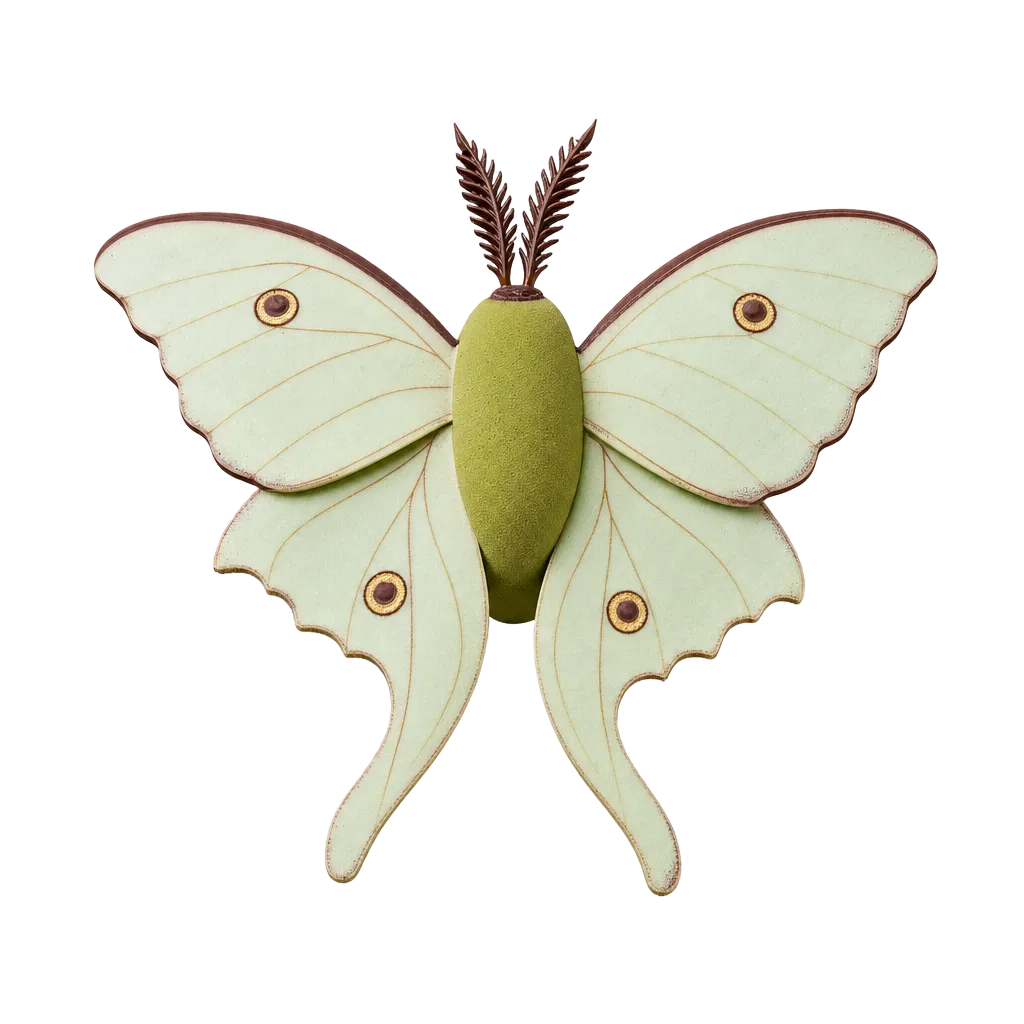
Commercial menu photography of one clearly bounded, fully edible luna moth entremet created for an upscale natural-history museum café. The single pastry has a compact pistachio mousse body and two symmetrical pale celadon wafer-paper wings, with delicate cocoa-butter veining, tiny scalloped edges, subtle toasted gradients, and slim dark-chocolate antennae attached securely to the body. Refined patisserie craftsmanship, realistic edible materials, appetizing texture, minute crisp edge detail, no loose crumbs or detached garnish. Centered three-quarter overhead view showing the complete silhouette, generous clear space on every side, entirely in frame. Soft diffused studio lighting with restrained highlights and natural dimensional shading. Photorealistic premium restaurant menu cutout, precise clean edges, isolated on a truly transparent background with alpha transparency. No plate, no utensils, no props, no hands, no text, no logo, no border, no additional food.
import { createClient } from '@runware/sdk'

const client = await createClient({ apiKey: process.env.RUNWARE_API_KEY })
await client.connect()

const [result] = await client.run({
  outputFormat: 'PNG',
  model: 'sourceful:riverflow-2.5@pro',
  positivePrompt: 'Commercial menu photography of one clearly bounded, fully edible luna moth entremet created for an upscale natural-history museum café. The single pastry has a compact pistachio mousse body and two symmetrical pale celadon wafer-paper wings, with delicate cocoa-butter veining, tiny scalloped edges, subtle toasted gradients, and slim dark-chocolate antennae attached securely to the body. Refined patisserie craftsmanship, realistic edible materials, appetizing texture, minute crisp edge detail, no loose crumbs or detached garnish. Centered three-quarter overhead view showing the complete silhouette, generous clear space on every side, entirely in frame. Soft diffused studio lighting with restrained highlights and natural dimensional shading. Photorealistic premium restaurant menu cutout, precise clean edges, isolated on a truly transparent background with alpha transparency. No plate, no utensils, no props, no hands, no text, no logo, no border, no additional food.',
  width: 1024,
  height: 1024,
  settings: {
    backgroundMode: 'transparent'
  }
})
import asyncio
import os
from runware import Runware
async def main():
async with Runware(api_key=os.environ["RUNWARE_API_KEY"]) as client:
results = await client.run({
"outputFormat": "PNG",
"model": "sourceful:riverflow-2.5@pro",
"positivePrompt": "Commercial menu photography of one clearly bounded, fully edible luna moth entremet created for an upscale natural-history museum café. The single pastry has a compact pistachio mousse body and two symmetrical pale celadon wafer-paper wings, with delicate cocoa-butter veining, tiny scalloped edges, subtle toasted gradients, and slim dark-chocolate antennae attached securely to the body. Refined patisserie craftsmanship, realistic edible materials, appetizing texture, minute crisp edge detail, no loose crumbs or detached garnish. Centered three-quarter overhead view showing the complete silhouette, generous clear space on every side, entirely in frame. Soft diffused studio lighting with restrained highlights and natural dimensional shading. Photorealistic premium restaurant menu cutout, precise clean edges, isolated on a truly transparent background with alpha transparency. No plate, no utensils, no props, no hands, no text, no logo, no border, no additional food.",
"width": 1024,
"height": 1024,
"settings": {
"backgroundMode": "transparent"
}
})
asyncio.run(main())curl https://api.runware.ai/v1 \
-H "Authorization: Bearer $RUNWARE_API_KEY" \
-H "Content-Type: application/json" \
-d '[
{
  "taskType": "imageInference",
  "taskUUID": "0d989723-5cda-4e1b-b1ff-7573542e2f2c",
  "outputFormat": "PNG",
  "model": "sourceful:riverflow-2.5@pro",
  "positivePrompt": "Commercial menu photography of one clearly bounded, fully edible luna moth entremet created for an upscale natural-history museum café. The single pastry has a compact pistachio mousse body and two symmetrical pale celadon wafer-paper wings, with delicate cocoa-butter veining, tiny scalloped edges, subtle toasted gradients, and slim dark-chocolate antennae attached securely to the body. Refined patisserie craftsmanship, realistic edible materials, appetizing texture, minute crisp edge detail, no loose crumbs or detached garnish. Centered three-quarter overhead view showing the complete silhouette, generous clear space on every side, entirely in frame. Soft diffused studio lighting with restrained highlights and natural dimensional shading. Photorealistic premium restaurant menu cutout, precise clean edges, isolated on a truly transparent background with alpha transparency. No plate, no utensils, no props, no hands, no text, no logo, no border, no additional food.",
  "width": 1024,
  "height": 1024,
  "settings": {
    "backgroundMode": "transparent"
  }
}
]'runware run sourceful:riverflow-2.5@pro \
outputFormat=PNG \
positivePrompt="Commercial menu photography of one clearly bounded, fully edible luna moth entremet created for an upscale natural-history museum café. The single pastry has a compact pistachio mousse body and two symmetrical pale celadon wafer-paper wings, with delicate cocoa-butter veining, tiny scalloped edges, subtle toasted gradients, and slim dark-chocolate antennae attached securely to the body. Refined patisserie craftsmanship, realistic edible materials, appetizing texture, minute crisp edge detail, no loose crumbs or detached garnish. Centered three-quarter overhead view showing the complete silhouette, generous clear space on every side, entirely in frame. Soft diffused studio lighting with restrained highlights and natural dimensional shading. Photorealistic premium restaurant menu cutout, precise clean edges, isolated on a truly transparent background with alpha transparency. No plate, no utensils, no props, no hands, no text, no logo, no border, no additional food." \
width=1024 \
height=1024 \
settings.backgroundMode=transparent{
"taskType": "imageInference",
"taskUUID": "0d989723-5cda-4e1b-b1ff-7573542e2f2c",
"outputFormat": "PNG",
"model": "sourceful:riverflow-2.5@pro",
"positivePrompt": "Commercial menu photography of one clearly bounded, fully edible luna moth entremet created for an upscale natural-history museum café. The single pastry has a compact pistachio mousse body and two symmetrical pale celadon wafer-paper wings, with delicate cocoa-butter veining, tiny scalloped edges, subtle toasted gradients, and slim dark-chocolate antennae attached securely to the body. Refined patisserie craftsmanship, realistic edible materials, appetizing texture, minute crisp edge detail, no loose crumbs or detached garnish. Centered three-quarter overhead view showing the complete silhouette, generous clear space on every side, entirely in frame. Soft diffused studio lighting with restrained highlights and natural dimensional shading. Photorealistic premium restaurant menu cutout, precise clean edges, isolated on a truly transparent background with alpha transparency. No plate, no utensils, no props, no hands, no text, no logo, no border, no additional food.",
"width": 1024,
"height": 1024,
"settings": {
"backgroundMode": "transparent"
}
}Response
{
  "taskType": "imageInference",
  "taskUUID": "0d989723-5cda-4e1b-b1ff-7573542e2f2c",
  "imageUUID": "ff86aad4-fcc5-4659-8dd4-e9fb35209bea",
  "imageURL": "https://im.runware.ai/image/os/a03d21/ws/3/ii/ff86aad4-fcc5-4659-8dd4-e9fb35209bea.png",
  "seed": 886603849,
  "cost": 0.2526
}