GPT-Image-2.5 Sunburst

GPT-Image-2.5 Sunburst is OpenAI's most capable model for image generation and editing, designed for premium workflows that need tighter control across detailed and iterative edits. It combines strong reference-subject preservation, localized changes, natural lighting and textures, complex layout handling, and consistent visual direction for production-ready campaign creative, polished product imagery, and other demanding visual design work.
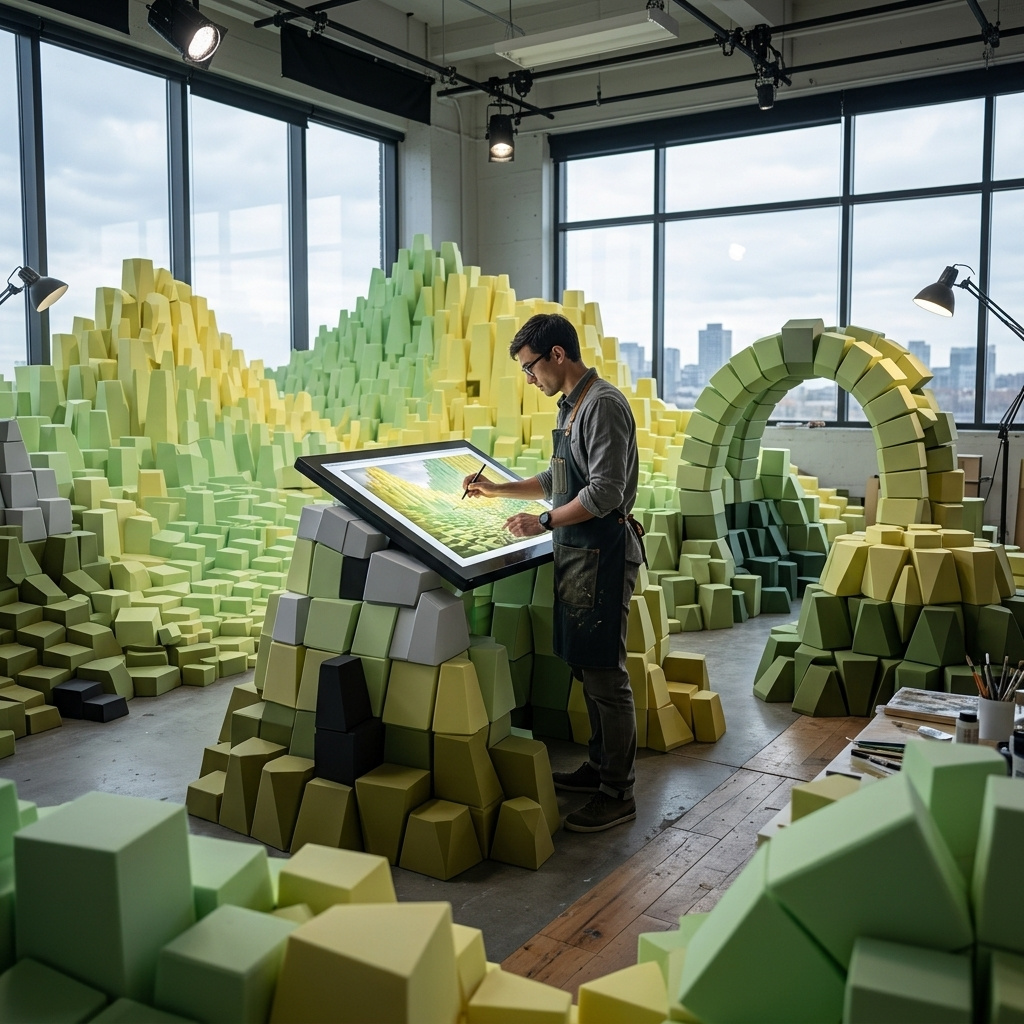
text-to-image
Industrial Thermal Camera Colorways$0.167~1m 8s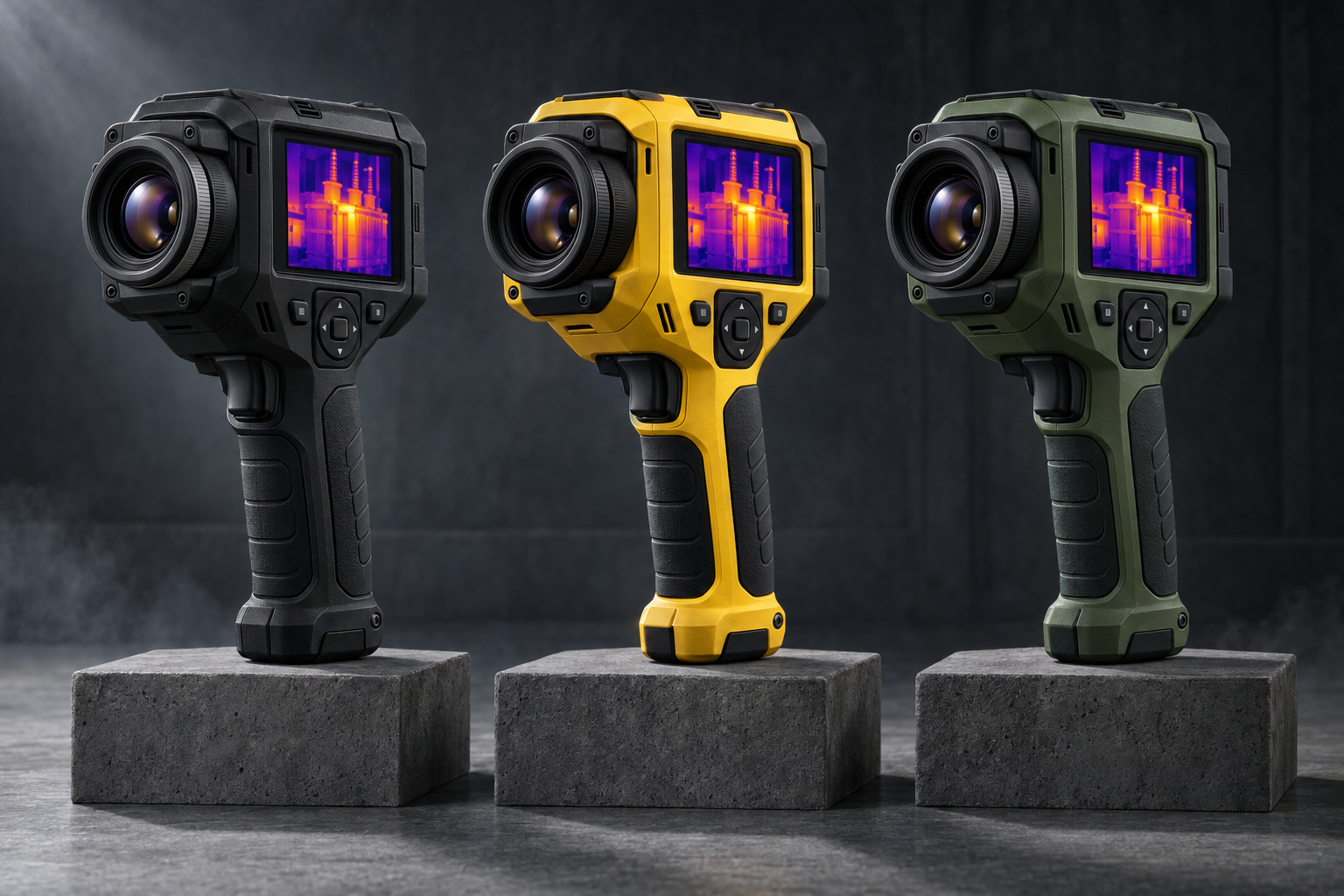
Create a premium landscape product-design visualization for a manufacturer of rugged industrial inspection equipment. Show three identical handheld thermal imaging cameras arranged in a disciplined row on individual low concrete plinths. Every camera must have exactly the same industrial design, dimensions, lens assembly, screen placement, controls, grip texture, seams, fasteners, and materials; the only difference between them is the exterior colorway. Colorway 1: deep basalt black body with charcoal rubber grip panels and one restrained cool-gray control ring. Colorway 2: saturated sulfur yellow body with graphite rubber grip panels and black controls. Colorway 3: muted oxidized-copper green body with dark forest rubber grip panels and a small warm-gray control ring. Apply each color consistently to the same corresponding body panels. Keep the lens glass, exposed screws, screen, and black technical components unchanged across all three units. Design each product as a credible professional thermal camera used for electrical, mechanical, and building inspections: compact rectangular upper housing, large circular germanium lens, protected recessed display, ergonomic pistol grip, tactile directional controls, durable overmolded corners, subtle ventilation details, precise injection-molded polymer surfaces, realistic part lines, and no unnecessary futuristic decoration. No logos, labels, lettering, symbols, interface graphics, or invented branding. Art direction: austere industrial design studio with a dark mineral-gray background, matte poured-concrete plinths, faint atmospheric haze, and a clean architectural composition. Three-quarter front views angled consistently toward camera, all products fully visible and equally sized. Use dramatic raking light from the upper left to reveal surface texture and molded geometry, narrow cool rim light from behind, controlled soft reflections on the lenses, and realistic contact shadows. Preserve rich shadow detail and accurate material response: satin polymer shells, soft-touch rubber, anodized metal control rings, coated optical glass, and lightly brushed fasteners. Wide 3:2 composition with generous negative space around the lineup, eye-level product photography, 85mm commercial studio lens aesthetic, sharp focus throughout, restrained contrast, color-accurate finish, photorealistic production quality. The image should read immediately as a professional colorway comparison in which only the selected exterior colors change while the product design remains identical.
import { createClient } from '@runware/sdk'

const client = await createClient({ apiKey: process.env.RUNWARE_API_KEY })
await client.connect()

const [result] = await client.run({
  model: 'openai:gpt-image@2.5-sunburst',
  positivePrompt: 'Create a premium landscape product-design visualization for a manufacturer of rugged industrial inspection equipment. Show three identical handheld thermal imaging cameras arranged in a disciplined row on individual low concrete plinths. Every camera must have exactly the same industrial design, dimensions, lens assembly, screen placement, controls, grip texture, seams, fasteners, and materials; the only difference between them is the exterior colorway.\n\nColorway 1: deep basalt black body with charcoal rubber grip panels and one restrained cool-gray control ring. Colorway 2: saturated sulfur yellow body with graphite rubber grip panels and black controls. Colorway 3: muted oxidized-copper green body with dark forest rubber grip panels and a small warm-gray control ring. Apply each color consistently to the same corresponding body panels. Keep the lens glass, exposed screws, screen, and black technical components unchanged across all three units.\n\nDesign each product as a credible professional thermal camera used for electrical, mechanical, and building inspections: compact rectangular upper housing, large circular germanium lens, protected recessed display, ergonomic pistol grip, tactile directional controls, durable overmolded corners, subtle ventilation details, precise injection-molded polymer surfaces, realistic part lines, and no unnecessary futuristic decoration. No logos, labels, lettering, symbols, interface graphics, or invented branding.\n\nArt direction: austere industrial design studio with a dark mineral-gray background, matte poured-concrete plinths, faint atmospheric haze, and a clean architectural composition. Three-quarter front views angled consistently toward camera, all products fully visible and equally sized. Use dramatic raking light from the upper left to reveal surface texture and molded geometry, narrow cool rim light from behind, controlled soft reflections on the lenses, and realistic contact shadows. Preserve rich shadow detail and accurate material response: satin polymer shells, soft-touch rubber, anodized metal control rings, coated optical glass, and lightly brushed fasteners. Wide 3:2 composition with generous negative space around the lineup, eye-level product photography, 85mm commercial studio lens aesthetic, sharp focus throughout, restrained contrast, color-accurate finish, photorealistic production quality. The image should read immediately as a professional colorway comparison in which only the selected exterior colors change while the product design remains identical.',
  width: 1536,
  height: 1024,
  settings: {
    background: 'opaque',
    quality: 'max'
  }
})
import asyncio
import os
from runware import Runware
async def main():
async with Runware(api_key=os.environ["RUNWARE_API_KEY"]) as client:
results = await client.run({
"model": "openai:gpt-image@2.5-sunburst",
"positivePrompt": "Create a premium landscape product-design visualization for a manufacturer of rugged industrial inspection equipment. Show three identical handheld thermal imaging cameras arranged in a disciplined row on individual low concrete plinths. Every camera must have exactly the same industrial design, dimensions, lens assembly, screen placement, controls, grip texture, seams, fasteners, and materials; the only difference between them is the exterior colorway.\n\nColorway 1: deep basalt black body with charcoal rubber grip panels and one restrained cool-gray control ring. Colorway 2: saturated sulfur yellow body with graphite rubber grip panels and black controls. Colorway 3: muted oxidized-copper green body with dark forest rubber grip panels and a small warm-gray control ring. Apply each color consistently to the same corresponding body panels. Keep the lens glass, exposed screws, screen, and black technical components unchanged across all three units.\n\nDesign each product as a credible professional thermal camera used for electrical, mechanical, and building inspections: compact rectangular upper housing, large circular germanium lens, protected recessed display, ergonomic pistol grip, tactile directional controls, durable overmolded corners, subtle ventilation details, precise injection-molded polymer surfaces, realistic part lines, and no unnecessary futuristic decoration. No logos, labels, lettering, symbols, interface graphics, or invented branding.\n\nArt direction: austere industrial design studio with a dark mineral-gray background, matte poured-concrete plinths, faint atmospheric haze, and a clean architectural composition. Three-quarter front views angled consistently toward camera, all products fully visible and equally sized. Use dramatic raking light from the upper left to reveal surface texture and molded geometry, narrow cool rim light from behind, controlled soft reflections on the lenses, and realistic contact shadows. Preserve rich shadow detail and accurate material response: satin polymer shells, soft-touch rubber, anodized metal control rings, coated optical glass, and lightly brushed fasteners. Wide 3:2 composition with generous negative space around the lineup, eye-level product photography, 85mm commercial studio lens aesthetic, sharp focus throughout, restrained contrast, color-accurate finish, photorealistic production quality. The image should read immediately as a professional colorway comparison in which only the selected exterior colors change while the product design remains identical.",
"width": 1536,
"height": 1024,
"settings": {
"background": "opaque",
"quality": "max"
}
})
asyncio.run(main())curl https://api.runware.ai/v1 \
-H "Authorization: Bearer $RUNWARE_API_KEY" \
-H "Content-Type: application/json" \
-d '[
{
  "taskType": "imageInference",
  "taskUUID": "01a344b3-4eb7-48e0-8894-d1eaf7616918",
  "model": "openai:gpt-image@2.5-sunburst",
  "positivePrompt": "Create a premium landscape product-design visualization for a manufacturer of rugged industrial inspection equipment. Show three identical handheld thermal imaging cameras arranged in a disciplined row on individual low concrete plinths. Every camera must have exactly the same industrial design, dimensions, lens assembly, screen placement, controls, grip texture, seams, fasteners, and materials; the only difference between them is the exterior colorway.\n\nColorway 1: deep basalt black body with charcoal rubber grip panels and one restrained cool-gray control ring. Colorway 2: saturated sulfur yellow body with graphite rubber grip panels and black controls. Colorway 3: muted oxidized-copper green body with dark forest rubber grip panels and a small warm-gray control ring. Apply each color consistently to the same corresponding body panels. Keep the lens glass, exposed screws, screen, and black technical components unchanged across all three units.\n\nDesign each product as a credible professional thermal camera used for electrical, mechanical, and building inspections: compact rectangular upper housing, large circular germanium lens, protected recessed display, ergonomic pistol grip, tactile directional controls, durable overmolded corners, subtle ventilation details, precise injection-molded polymer surfaces, realistic part lines, and no unnecessary futuristic decoration. No logos, labels, lettering, symbols, interface graphics, or invented branding.\n\nArt direction: austere industrial design studio with a dark mineral-gray background, matte poured-concrete plinths, faint atmospheric haze, and a clean architectural composition. Three-quarter front views angled consistently toward camera, all products fully visible and equally sized. Use dramatic raking light from the upper left to reveal surface texture and molded geometry, narrow cool rim light from behind, controlled soft reflections on the lenses, and realistic contact shadows. Preserve rich shadow detail and accurate material response: satin polymer shells, soft-touch rubber, anodized metal control rings, coated optical glass, and lightly brushed fasteners. Wide 3:2 composition with generous negative space around the lineup, eye-level product photography, 85mm commercial studio lens aesthetic, sharp focus throughout, restrained contrast, color-accurate finish, photorealistic production quality. The image should read immediately as a professional colorway comparison in which only the selected exterior colors change while the product design remains identical.",
  "width": 1536,
  "height": 1024,
  "settings": {
    "background": "opaque",
    "quality": "max"
  }
}
]'runware run openai:gpt-image@2.5-sunburst \
positivePrompt="Create a premium landscape product-design visualization for a manufacturer of rugged industrial inspection equipment. Show three identical handheld thermal imaging cameras arranged in a disciplined row on individual low concrete plinths. Every camera must have exactly the same industrial design, dimensions, lens assembly, screen placement, controls, grip texture, seams, fasteners, and materials; the only difference between them is the exterior colorway.
Colorway 1: deep basalt black body with charcoal rubber grip panels and one restrained cool-gray control ring. Colorway 2: saturated sulfur yellow body with graphite rubber grip panels and black controls. Colorway 3: muted oxidized-copper green body with dark forest rubber grip panels and a small warm-gray control ring. Apply each color consistently to the same corresponding body panels. Keep the lens glass, exposed screws, screen, and black technical components unchanged across all three units.
Design each product as a credible professional thermal camera used for electrical, mechanical, and building inspections: compact rectangular upper housing, large circular germanium lens, protected recessed display, ergonomic pistol grip, tactile directional controls, durable overmolded corners, subtle ventilation details, precise injection-molded polymer surfaces, realistic part lines, and no unnecessary futuristic decoration. No logos, labels, lettering, symbols, interface graphics, or invented branding.
Art direction: austere industrial design studio with a dark mineral-gray background, matte poured-concrete plinths, faint atmospheric haze, and a clean architectural composition. Three-quarter front views angled consistently toward camera, all products fully visible and equally sized. Use dramatic raking light from the upper left to reveal surface texture and molded geometry, narrow cool rim light from behind, controlled soft reflections on the lenses, and realistic contact shadows. Preserve rich shadow detail and accurate material response: satin polymer shells, soft-touch rubber, anodized metal control rings, coated optical glass, and lightly brushed fasteners. Wide 3:2 composition with generous negative space around the lineup, eye-level product photography, 85mm commercial studio lens aesthetic, sharp focus throughout, restrained contrast, color-accurate finish, photorealistic production quality. The image should read immediately as a professional colorway comparison in which only the selected exterior colors change while the product design remains identical." \
width=1536 \
height=1024 \
settings.background=opaque \
settings.quality=max{
"taskType": "imageInference",
"taskUUID": "01a344b3-4eb7-48e0-8894-d1eaf7616918",
"model": "openai:gpt-image@2.5-sunburst",
"positivePrompt": "Create a premium landscape product-design visualization for a manufacturer of rugged industrial inspection equipment. Show three identical handheld thermal imaging cameras arranged in a disciplined row on individual low concrete plinths. Every camera must have exactly the same industrial design, dimensions, lens assembly, screen placement, controls, grip texture, seams, fasteners, and materials; the only difference between them is the exterior colorway.\n\nColorway 1: deep basalt black body with charcoal rubber grip panels and one restrained cool-gray control ring. Colorway 2: saturated sulfur yellow body with graphite rubber grip panels and black controls. Colorway 3: muted oxidized-copper green body with dark forest rubber grip panels and a small warm-gray control ring. Apply each color consistently to the same corresponding body panels. Keep the lens glass, exposed screws, screen, and black technical components unchanged across all three units.\n\nDesign each product as a credible professional thermal camera used for electrical, mechanical, and building inspections: compact rectangular upper housing, large circular germanium lens, protected recessed display, ergonomic pistol grip, tactile directional controls, durable overmolded corners, subtle ventilation details, precise injection-molded polymer surfaces, realistic part lines, and no unnecessary futuristic decoration. No logos, labels, lettering, symbols, interface graphics, or invented branding.\n\nArt direction: austere industrial design studio with a dark mineral-gray background, matte poured-concrete plinths, faint atmospheric haze, and a clean architectural composition. Three-quarter front views angled consistently toward camera, all products fully visible and equally sized. Use dramatic raking light from the upper left to reveal surface texture and molded geometry, narrow cool rim light from behind, controlled soft reflections on the lenses, and realistic contact shadows. Preserve rich shadow detail and accurate material response: satin polymer shells, soft-touch rubber, anodized metal control rings, coated optical glass, and lightly brushed fasteners. Wide 3:2 composition with generous negative space around the lineup, eye-level product photography, 85mm commercial studio lens aesthetic, sharp focus throughout, restrained contrast, color-accurate finish, photorealistic production quality. The image should read immediately as a professional colorway comparison in which only the selected exterior colors change while the product design remains identical.",
"width": 1536,
"height": 1024,
"settings": {
"background": "opaque",
"quality": "max"
}
}Response
{
  "taskType": "imageInference",
  "taskUUID": "01a344b3-4eb7-48e0-8894-d1eaf7616918",
  "imageUUID": "64b6d88c-3dcf-4a3b-ac4d-f08ecf9de25c",
  "imageURL": "https://im.runware.ai/image/os/a03d21/ws/3/ii/64b6d88c-3dcf-4a3b-ac4d-f08ecf9de25c.jpg",
  "cost": 0.16694
}
reference-to-image
Museum Textile Conservator Editorial Portrait$0.0682~34s
Create a finished professional environmental portrait for a major museum’s annual report and online expert profile. Use reference image 1 exclusively to define the woman’s identity: preserve her facial structure, age, complexion, eye shape, chin-length black bob, distinctive natural silver streak at the right temple, and subtle smile lines with high fidelity. Do not beautify her into a younger or different person. Use reference image 2 to define the textile-conservation laboratory, material vocabulary, restrained palette, and quiet editorial atmosphere; do not copy any person from that image. Show the conservator seated at the edge of a pale oak worktable in the museum laboratory, framed from mid-torso upward in a 1280x1024 landscape composition. She faces the camera with relaxed shoulders, intelligent direct eye contact, and a calm, quietly authoritative expression appropriate for a senior specialist. Dress her in a beautifully cut, unbranded deep-indigo work jacket over an undyed linen shirt, professional but connected to her field. Include only a restrained glimpse of her hands near the lower edge of the frame, naturally resting beside an archival sample card. Place her slightly left of center, leaving clean, softly detailed negative space on the right for flexible editorial cropping. Behind her, render the laboratory from reference image 2 with pale oak drawers, organized conservation tools, muted indigo and madder textile swatches, a brass task lamp, and a protected woven textile, all subdued and gently out of focus. The setting must feel operational, meticulous, and museum-grade rather than decorative or rustic. Photograph with the natural perspective of an 85mm portrait lens at eye level. Soft north-window daylight should shape the face from camera left, with subtle warm fill from the brass lamp and delicate separation along the dark hair. Maintain realistic pores, fine hair, fabric fibers, and age-appropriate detail. Controlled shallow depth of field, crisp focus on both eyes, soft background falloff, balanced highlights, refined tonal range, muted mineral green, dusty indigo, natural linen, and warm oak. Contemporary cultural-institution editorial photography: composed, humane, intelligent, understated, and publication-ready. No text, logos, name badges, watermark, excessive retouching, theatrical costume, clutter, distorted hands, duplicated tools, or artificial-looking skin.
import { createClient } from '@runware/sdk'

const client = await createClient({ apiKey: process.env.RUNWARE_API_KEY })
await client.connect()

const [result] = await client.run({
  model: 'openai:gpt-image@2.5-sunburst',
  positivePrompt: 'Create a finished professional environmental portrait for a major museum’s annual report and online expert profile. Use reference image 1 exclusively to define the woman’s identity: preserve her facial structure, age, complexion, eye shape, chin-length black bob, distinctive natural silver streak at the right temple, and subtle smile lines with high fidelity. Do not beautify her into a younger or different person. Use reference image 2 to define the textile-conservation laboratory, material vocabulary, restrained palette, and quiet editorial atmosphere; do not copy any person from that image.\n\nShow the conservator seated at the edge of a pale oak worktable in the museum laboratory, framed from mid-torso upward in a 1280x1024 landscape composition. She faces the camera with relaxed shoulders, intelligent direct eye contact, and a calm, quietly authoritative expression appropriate for a senior specialist. Dress her in a beautifully cut, unbranded deep-indigo work jacket over an undyed linen shirt, professional but connected to her field. Include only a restrained glimpse of her hands near the lower edge of the frame, naturally resting beside an archival sample card.\n\nPlace her slightly left of center, leaving clean, softly detailed negative space on the right for flexible editorial cropping. Behind her, render the laboratory from reference image 2 with pale oak drawers, organized conservation tools, muted indigo and madder textile swatches, a brass task lamp, and a protected woven textile, all subdued and gently out of focus. The setting must feel operational, meticulous, and museum-grade rather than decorative or rustic.\n\nPhotograph with the natural perspective of an 85mm portrait lens at eye level. Soft north-window daylight should shape the face from camera left, with subtle warm fill from the brass lamp and delicate separation along the dark hair. Maintain realistic pores, fine hair, fabric fibers, and age-appropriate detail. Controlled shallow depth of field, crisp focus on both eyes, soft background falloff, balanced highlights, refined tonal range, muted mineral green, dusty indigo, natural linen, and warm oak. Contemporary cultural-institution editorial photography: composed, humane, intelligent, understated, and publication-ready. No text, logos, name badges, watermark, excessive retouching, theatrical costume, clutter, distorted hands, duplicated tools, or artificial-looking skin.',
  width: 1280,
  height: 1024,
  inputs: {
    referenceImages: [
      'https://assets.runware.ai/assets/inputs/4dbcd201-8151-4f3f-9498-63a68197f00b.jpg',
      'https://assets.runware.ai/assets/inputs/9ef6787c-f697-4547-8cb2-c8dff6e46932.jpg'
    ]
  }
})
import asyncio
import os
from runware import Runware
async def main():
async with Runware(api_key=os.environ["RUNWARE_API_KEY"]) as client:
results = await client.run({
"model": "openai:gpt-image@2.5-sunburst",
"positivePrompt": "Create a finished professional environmental portrait for a major museum’s annual report and online expert profile. Use reference image 1 exclusively to define the woman’s identity: preserve her facial structure, age, complexion, eye shape, chin-length black bob, distinctive natural silver streak at the right temple, and subtle smile lines with high fidelity. Do not beautify her into a younger or different person. Use reference image 2 to define the textile-conservation laboratory, material vocabulary, restrained palette, and quiet editorial atmosphere; do not copy any person from that image.\n\nShow the conservator seated at the edge of a pale oak worktable in the museum laboratory, framed from mid-torso upward in a 1280x1024 landscape composition. She faces the camera with relaxed shoulders, intelligent direct eye contact, and a calm, quietly authoritative expression appropriate for a senior specialist. Dress her in a beautifully cut, unbranded deep-indigo work jacket over an undyed linen shirt, professional but connected to her field. Include only a restrained glimpse of her hands near the lower edge of the frame, naturally resting beside an archival sample card.\n\nPlace her slightly left of center, leaving clean, softly detailed negative space on the right for flexible editorial cropping. Behind her, render the laboratory from reference image 2 with pale oak drawers, organized conservation tools, muted indigo and madder textile swatches, a brass task lamp, and a protected woven textile, all subdued and gently out of focus. The setting must feel operational, meticulous, and museum-grade rather than decorative or rustic.\n\nPhotograph with the natural perspective of an 85mm portrait lens at eye level. Soft north-window daylight should shape the face from camera left, with subtle warm fill from the brass lamp and delicate separation along the dark hair. Maintain realistic pores, fine hair, fabric fibers, and age-appropriate detail. Controlled shallow depth of field, crisp focus on both eyes, soft background falloff, balanced highlights, refined tonal range, muted mineral green, dusty indigo, natural linen, and warm oak. Contemporary cultural-institution editorial photography: composed, humane, intelligent, understated, and publication-ready. No text, logos, name badges, watermark, excessive retouching, theatrical costume, clutter, distorted hands, duplicated tools, or artificial-looking skin.",
"width": 1280,
"height": 1024,
"inputs": {
"referenceImages": [
"https://assets.runware.ai/assets/inputs/4dbcd201-8151-4f3f-9498-63a68197f00b.jpg",
"https://assets.runware.ai/assets/inputs/9ef6787c-f697-4547-8cb2-c8dff6e46932.jpg"
]
}
})
asyncio.run(main())curl https://api.runware.ai/v1 \
-H "Authorization: Bearer $RUNWARE_API_KEY" \
-H "Content-Type: application/json" \
-d '[
{
  "taskType": "imageInference",
  "taskUUID": "b191abf9-2c1f-48e0-bd8a-7d5e2587c94c",
  "model": "openai:gpt-image@2.5-sunburst",
  "positivePrompt": "Create a finished professional environmental portrait for a major museum’s annual report and online expert profile. Use reference image 1 exclusively to define the woman’s identity: preserve her facial structure, age, complexion, eye shape, chin-length black bob, distinctive natural silver streak at the right temple, and subtle smile lines with high fidelity. Do not beautify her into a younger or different person. Use reference image 2 to define the textile-conservation laboratory, material vocabulary, restrained palette, and quiet editorial atmosphere; do not copy any person from that image.\n\nShow the conservator seated at the edge of a pale oak worktable in the museum laboratory, framed from mid-torso upward in a 1280x1024 landscape composition. She faces the camera with relaxed shoulders, intelligent direct eye contact, and a calm, quietly authoritative expression appropriate for a senior specialist. Dress her in a beautifully cut, unbranded deep-indigo work jacket over an undyed linen shirt, professional but connected to her field. Include only a restrained glimpse of her hands near the lower edge of the frame, naturally resting beside an archival sample card.\n\nPlace her slightly left of center, leaving clean, softly detailed negative space on the right for flexible editorial cropping. Behind her, render the laboratory from reference image 2 with pale oak drawers, organized conservation tools, muted indigo and madder textile swatches, a brass task lamp, and a protected woven textile, all subdued and gently out of focus. The setting must feel operational, meticulous, and museum-grade rather than decorative or rustic.\n\nPhotograph with the natural perspective of an 85mm portrait lens at eye level. Soft north-window daylight should shape the face from camera left, with subtle warm fill from the brass lamp and delicate separation along the dark hair. Maintain realistic pores, fine hair, fabric fibers, and age-appropriate detail. Controlled shallow depth of field, crisp focus on both eyes, soft background falloff, balanced highlights, refined tonal range, muted mineral green, dusty indigo, natural linen, and warm oak. Contemporary cultural-institution editorial photography: composed, humane, intelligent, understated, and publication-ready. No text, logos, name badges, watermark, excessive retouching, theatrical costume, clutter, distorted hands, duplicated tools, or artificial-looking skin.",
  "width": 1280,
  "height": 1024,
  "inputs": {
    "referenceImages": [
      "https://assets.runware.ai/assets/inputs/4dbcd201-8151-4f3f-9498-63a68197f00b.jpg",
      "https://assets.runware.ai/assets/inputs/9ef6787c-f697-4547-8cb2-c8dff6e46932.jpg"
    ]
  }
}
]'runware run openai:gpt-image@2.5-sunburst \
positivePrompt="Create a finished professional environmental portrait for a major museum’s annual report and online expert profile. Use reference image 1 exclusively to define the woman’s identity: preserve her facial structure, age, complexion, eye shape, chin-length black bob, distinctive natural silver streak at the right temple, and subtle smile lines with high fidelity. Do not beautify her into a younger or different person. Use reference image 2 to define the textile-conservation laboratory, material vocabulary, restrained palette, and quiet editorial atmosphere; do not copy any person from that image.
Show the conservator seated at the edge of a pale oak worktable in the museum laboratory, framed from mid-torso upward in a 1280x1024 landscape composition. She faces the camera with relaxed shoulders, intelligent direct eye contact, and a calm, quietly authoritative expression appropriate for a senior specialist. Dress her in a beautifully cut, unbranded deep-indigo work jacket over an undyed linen shirt, professional but connected to her field. Include only a restrained glimpse of her hands near the lower edge of the frame, naturally resting beside an archival sample card.
Place her slightly left of center, leaving clean, softly detailed negative space on the right for flexible editorial cropping. Behind her, render the laboratory from reference image 2 with pale oak drawers, organized conservation tools, muted indigo and madder textile swatches, a brass task lamp, and a protected woven textile, all subdued and gently out of focus. The setting must feel operational, meticulous, and museum-grade rather than decorative or rustic.
Photograph with the natural perspective of an 85mm portrait lens at eye level. Soft north-window daylight should shape the face from camera left, with subtle warm fill from the brass lamp and delicate separation along the dark hair. Maintain realistic pores, fine hair, fabric fibers, and age-appropriate detail. Controlled shallow depth of field, crisp focus on both eyes, soft background falloff, balanced highlights, refined tonal range, muted mineral green, dusty indigo, natural linen, and warm oak. Contemporary cultural-institution editorial photography: composed, humane, intelligent, understated, and publication-ready. No text, logos, name badges, watermark, excessive retouching, theatrical costume, clutter, distorted hands, duplicated tools, or artificial-looking skin." \
width=1280 \
height=1024 \
inputs.referenceImages.0=https://assets.runware.ai/assets/inputs/4dbcd201-8151-4f3f-9498-63a68197f00b.jpg \
inputs.referenceImages.1=https://assets.runware.ai/assets/inputs/9ef6787c-f697-4547-8cb2-c8dff6e46932.jpg{
"taskType": "imageInference",
"taskUUID": "b191abf9-2c1f-48e0-bd8a-7d5e2587c94c",
"model": "openai:gpt-image@2.5-sunburst",
"positivePrompt": "Create a finished professional environmental portrait for a major museum’s annual report and online expert profile. Use reference image 1 exclusively to define the woman’s identity: preserve her facial structure, age, complexion, eye shape, chin-length black bob, distinctive natural silver streak at the right temple, and subtle smile lines with high fidelity. Do not beautify her into a younger or different person. Use reference image 2 to define the textile-conservation laboratory, material vocabulary, restrained palette, and quiet editorial atmosphere; do not copy any person from that image.\n\nShow the conservator seated at the edge of a pale oak worktable in the museum laboratory, framed from mid-torso upward in a 1280x1024 landscape composition. She faces the camera with relaxed shoulders, intelligent direct eye contact, and a calm, quietly authoritative expression appropriate for a senior specialist. Dress her in a beautifully cut, unbranded deep-indigo work jacket over an undyed linen shirt, professional but connected to her field. Include only a restrained glimpse of her hands near the lower edge of the frame, naturally resting beside an archival sample card.\n\nPlace her slightly left of center, leaving clean, softly detailed negative space on the right for flexible editorial cropping. Behind her, render the laboratory from reference image 2 with pale oak drawers, organized conservation tools, muted indigo and madder textile swatches, a brass task lamp, and a protected woven textile, all subdued and gently out of focus. The setting must feel operational, meticulous, and museum-grade rather than decorative or rustic.\n\nPhotograph with the natural perspective of an 85mm portrait lens at eye level. Soft north-window daylight should shape the face from camera left, with subtle warm fill from the brass lamp and delicate separation along the dark hair. Maintain realistic pores, fine hair, fabric fibers, and age-appropriate detail. Controlled shallow depth of field, crisp focus on both eyes, soft background falloff, balanced highlights, refined tonal range, muted mineral green, dusty indigo, natural linen, and warm oak. Contemporary cultural-institution editorial photography: composed, humane, intelligent, understated, and publication-ready. No text, logos, name badges, watermark, excessive retouching, theatrical costume, clutter, distorted hands, duplicated tools, or artificial-looking skin.",
"width": 1280,
"height": 1024,
"inputs": {
"referenceImages": [
"https://assets.runware.ai/assets/inputs/4dbcd201-8151-4f3f-9498-63a68197f00b.jpg",
"https://assets.runware.ai/assets/inputs/9ef6787c-f697-4547-8cb2-c8dff6e46932.jpg"
]
}
}Response
{
  "taskType": "imageInference",
  "taskUUID": "b191abf9-2c1f-48e0-bd8a-7d5e2587c94c",
  "imageUUID": "d8636760-364a-4289-ba24-625cd3135342",
  "imageURL": "https://im.runware.ai/image/os/a04d20/ws/3/ii/d8636760-364a-4289-ba24-625cd3135342.jpg",
  "cost": 0.06822
}
inpaint
Dance Festival Risograph Portrait$0.0152~20s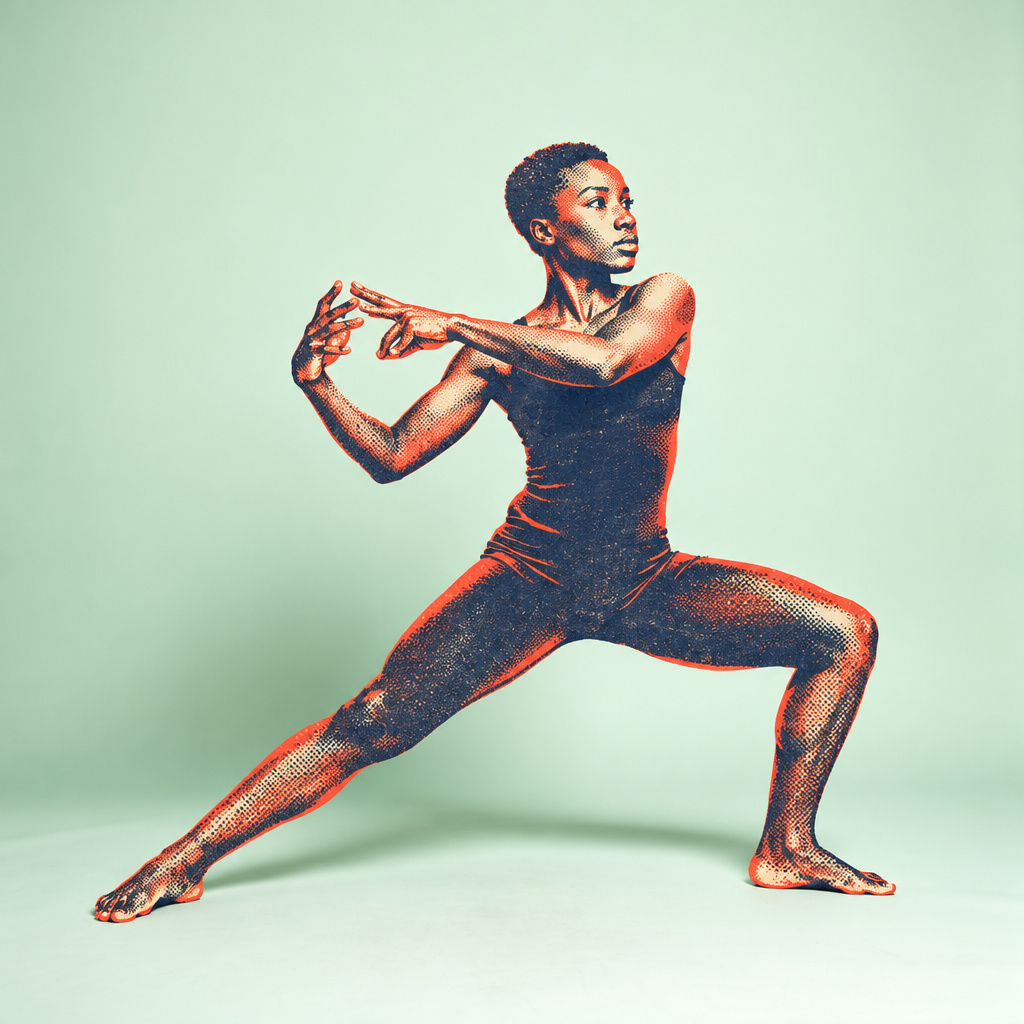
Create a finished square campaign portrait for a contemporary dance festival by editing the supplied photograph. Use the mask to substantially restyle the entire dancer—from hair and face through clothing, hands, legs, and feet—as a handcrafted two-color risograph illustration while preserving her exact identity, facial structure, anatomy, pose, proportions, gesture, and silhouette. Render the dancer with deep indigo ink, fluorescent persimmon-red overlays, cream paper knockouts, visible halftone dots, dry ink texture, subtle paper fibers, chunky graphic shadow shapes, and slight analog color misregistration contained within her silhouette. Keep facial features readable and expressive through economical printmaking marks. The treatment should feel sophisticated and commissioned, like contemporary performing-arts campaign artwork rather than a cartoon. Preserve the unmasked pale mint seamless studio background, floor, lighting gradient, framing, and faint existing floor shadow as clean photography. The contrast between the photographic environment and printed figure should be deliberate and polished. Do not add typography, logos, props, borders, scenery, or additional people.
import { createClient } from '@runware/sdk'

const client = await createClient({ apiKey: process.env.RUNWARE_API_KEY })
await client.connect()

const [result] = await client.run({
  model: 'openai:gpt-image@2.5-sunburst',
  positivePrompt: 'Create a finished square campaign portrait for a contemporary dance festival by editing the supplied photograph. Use the mask to substantially restyle the entire dancer—from hair and face through clothing, hands, legs, and feet—as a handcrafted two-color risograph illustration while preserving her exact identity, facial structure, anatomy, pose, proportions, gesture, and silhouette. Render the dancer with deep indigo ink, fluorescent persimmon-red overlays, cream paper knockouts, visible halftone dots, dry ink texture, subtle paper fibers, chunky graphic shadow shapes, and slight analog color misregistration contained within her silhouette. Keep facial features readable and expressive through economical printmaking marks. The treatment should feel sophisticated and commissioned, like contemporary performing-arts campaign artwork rather than a cartoon. Preserve the unmasked pale mint seamless studio background, floor, lighting gradient, framing, and faint existing floor shadow as clean photography. The contrast between the photographic environment and printed figure should be deliberate and polished. Do not add typography, logos, props, borders, scenery, or additional people.',
  width: 1024,
  height: 1024,
  inputs: {
    referenceImages: [
      'https://assets.runware.ai/assets/inputs/2c2ef088-ad9f-4d06-a4ca-99ff7d2f87a6.jpg'
    ],
    maskImage: 'https://assets.runware.ai/assets/inputs/949221c1-1583-4a2b-a855-1f3d3a7f20cf.png'
  }
})
import asyncio
import os
from runware import Runware
async def main():
async with Runware(api_key=os.environ["RUNWARE_API_KEY"]) as client:
results = await client.run({
"model": "openai:gpt-image@2.5-sunburst",
"positivePrompt": "Create a finished square campaign portrait for a contemporary dance festival by editing the supplied photograph. Use the mask to substantially restyle the entire dancer—from hair and face through clothing, hands, legs, and feet—as a handcrafted two-color risograph illustration while preserving her exact identity, facial structure, anatomy, pose, proportions, gesture, and silhouette. Render the dancer with deep indigo ink, fluorescent persimmon-red overlays, cream paper knockouts, visible halftone dots, dry ink texture, subtle paper fibers, chunky graphic shadow shapes, and slight analog color misregistration contained within her silhouette. Keep facial features readable and expressive through economical printmaking marks. The treatment should feel sophisticated and commissioned, like contemporary performing-arts campaign artwork rather than a cartoon. Preserve the unmasked pale mint seamless studio background, floor, lighting gradient, framing, and faint existing floor shadow as clean photography. The contrast between the photographic environment and printed figure should be deliberate and polished. Do not add typography, logos, props, borders, scenery, or additional people.",
"width": 1024,
"height": 1024,
"inputs": {
"referenceImages": [
"https://assets.runware.ai/assets/inputs/2c2ef088-ad9f-4d06-a4ca-99ff7d2f87a6.jpg"
],
"maskImage": "https://assets.runware.ai/assets/inputs/949221c1-1583-4a2b-a855-1f3d3a7f20cf.png"
}
})
asyncio.run(main())curl https://api.runware.ai/v1 \
-H "Authorization: Bearer $RUNWARE_API_KEY" \
-H "Content-Type: application/json" \
-d '[
{
  "taskType": "imageInference",
  "taskUUID": "09b8b2ed-d506-41b6-b7cb-0ed11a1e598f",
  "model": "openai:gpt-image@2.5-sunburst",
  "positivePrompt": "Create a finished square campaign portrait for a contemporary dance festival by editing the supplied photograph. Use the mask to substantially restyle the entire dancer—from hair and face through clothing, hands, legs, and feet—as a handcrafted two-color risograph illustration while preserving her exact identity, facial structure, anatomy, pose, proportions, gesture, and silhouette. Render the dancer with deep indigo ink, fluorescent persimmon-red overlays, cream paper knockouts, visible halftone dots, dry ink texture, subtle paper fibers, chunky graphic shadow shapes, and slight analog color misregistration contained within her silhouette. Keep facial features readable and expressive through economical printmaking marks. The treatment should feel sophisticated and commissioned, like contemporary performing-arts campaign artwork rather than a cartoon. Preserve the unmasked pale mint seamless studio background, floor, lighting gradient, framing, and faint existing floor shadow as clean photography. The contrast between the photographic environment and printed figure should be deliberate and polished. Do not add typography, logos, props, borders, scenery, or additional people.",
  "width": 1024,
  "height": 1024,
  "inputs": {
    "referenceImages": [
      "https://assets.runware.ai/assets/inputs/2c2ef088-ad9f-4d06-a4ca-99ff7d2f87a6.jpg"
    ],
    "maskImage": "https://assets.runware.ai/assets/inputs/949221c1-1583-4a2b-a855-1f3d3a7f20cf.png"
  }
}
]'runware run openai:gpt-image@2.5-sunburst \
positivePrompt="Create a finished square campaign portrait for a contemporary dance festival by editing the supplied photograph. Use the mask to substantially restyle the entire dancer—from hair and face through clothing, hands, legs, and feet—as a handcrafted two-color risograph illustration while preserving her exact identity, facial structure, anatomy, pose, proportions, gesture, and silhouette. Render the dancer with deep indigo ink, fluorescent persimmon-red overlays, cream paper knockouts, visible halftone dots, dry ink texture, subtle paper fibers, chunky graphic shadow shapes, and slight analog color misregistration contained within her silhouette. Keep facial features readable and expressive through economical printmaking marks. The treatment should feel sophisticated and commissioned, like contemporary performing-arts campaign artwork rather than a cartoon. Preserve the unmasked pale mint seamless studio background, floor, lighting gradient, framing, and faint existing floor shadow as clean photography. The contrast between the photographic environment and printed figure should be deliberate and polished. Do not add typography, logos, props, borders, scenery, or additional people." \
width=1024 \
height=1024 \
inputs.referenceImages.0=https://assets.runware.ai/assets/inputs/2c2ef088-ad9f-4d06-a4ca-99ff7d2f87a6.jpg \
inputs.maskImage=https://assets.runware.ai/assets/inputs/949221c1-1583-4a2b-a855-1f3d3a7f20cf.png{
"taskType": "imageInference",
"taskUUID": "09b8b2ed-d506-41b6-b7cb-0ed11a1e598f",
"model": "openai:gpt-image@2.5-sunburst",
"positivePrompt": "Create a finished square campaign portrait for a contemporary dance festival by editing the supplied photograph. Use the mask to substantially restyle the entire dancer—from hair and face through clothing, hands, legs, and feet—as a handcrafted two-color risograph illustration while preserving her exact identity, facial structure, anatomy, pose, proportions, gesture, and silhouette. Render the dancer with deep indigo ink, fluorescent persimmon-red overlays, cream paper knockouts, visible halftone dots, dry ink texture, subtle paper fibers, chunky graphic shadow shapes, and slight analog color misregistration contained within her silhouette. Keep facial features readable and expressive through economical printmaking marks. The treatment should feel sophisticated and commissioned, like contemporary performing-arts campaign artwork rather than a cartoon. Preserve the unmasked pale mint seamless studio background, floor, lighting gradient, framing, and faint existing floor shadow as clean photography. The contrast between the photographic environment and printed figure should be deliberate and polished. Do not add typography, logos, props, borders, scenery, or additional people.",
"width": 1024,
"height": 1024,
"inputs": {
"referenceImages": [
"https://assets.runware.ai/assets/inputs/2c2ef088-ad9f-4d06-a4ca-99ff7d2f87a6.jpg"
],
"maskImage": "https://assets.runware.ai/assets/inputs/949221c1-1583-4a2b-a855-1f3d3a7f20cf.png"
}
}Response
{
  "taskType": "imageInference",
  "taskUUID": "09b8b2ed-d506-41b6-b7cb-0ed11a1e598f",
  "imageUUID": "68ee5ccc-1264-4990-8f48-4dedd6d7909a",
  "imageURL": "https://im.runware.ai/image/os/a09dlim3/ws/3/ii/68ee5ccc-1264-4990-8f48-4dedd6d7909a.jpg",
  "cost": 0.015197
}
transparent-background
Maritime Mystery Streaming Series Poster$0.0541~40s
Create finished square streaming-series poster art as one isolated, cohesive graphic on a fully transparent background. Center a front-facing antique copper deep-sea diving helmet with an exceptionally clean, production-ready silhouette and generous transparent margin on all sides. The helmet is aged but elegant: burnished copper, dark verdigris seams, rivets, side valves, protective grille, subtle salt corrosion, and controlled cinematic highlights. Inside the circular black glass faceplate, integrate the exact title “THE NINTH BELL” in large condensed ivory capitals, stacked and perfectly legible. Beneath it, in much smaller spaced capitals, add the exact line “A LIMITED SERIES”. A thin ivory sonar-ring motif encircles the title inside the glass, with one small red signal mark at the ninth position. Prestige maritime mystery art direction, ominous and restrained, graphic realism blended with meticulous engraved-poster detail, copper, deep black, oxidized teal, ivory, and one precise signal-red accent. Strong visual hierarchy at thumbnail size. Keep the helmet and its integrated lettering as a single isolated poster emblem with crisp edges. No people, no ocean, no ship, no seafloor, no environmental backdrop, no horizon, no rectangular poster field, no border, no floor, no cast shadow, no glow outside the silhouette, no mockup, no platform branding, and no additional text. All space surrounding the graphic must remain genuinely transparent.
import { createClient } from '@runware/sdk'

const client = await createClient({ apiKey: process.env.RUNWARE_API_KEY })
await client.connect()

const [result] = await client.run({
  outputFormat: 'PNG',
  model: 'openai:gpt-image@2.5-sunburst',
  positivePrompt: 'Create finished square streaming-series poster art as one isolated, cohesive graphic on a fully transparent background. Center a front-facing antique copper deep-sea diving helmet with an exceptionally clean, production-ready silhouette and generous transparent margin on all sides. The helmet is aged but elegant: burnished copper, dark verdigris seams, rivets, side valves, protective grille, subtle salt corrosion, and controlled cinematic highlights. Inside the circular black glass faceplate, integrate the exact title “THE NINTH BELL” in large condensed ivory capitals, stacked and perfectly legible. Beneath it, in much smaller spaced capitals, add the exact line “A LIMITED SERIES”. A thin ivory sonar-ring motif encircles the title inside the glass, with one small red signal mark at the ninth position. Prestige maritime mystery art direction, ominous and restrained, graphic realism blended with meticulous engraved-poster detail, copper, deep black, oxidized teal, ivory, and one precise signal-red accent. Strong visual hierarchy at thumbnail size. Keep the helmet and its integrated lettering as a single isolated poster emblem with crisp edges. No people, no ocean, no ship, no seafloor, no environmental backdrop, no horizon, no rectangular poster field, no border, no floor, no cast shadow, no glow outside the silhouette, no mockup, no platform branding, and no additional text. All space surrounding the graphic must remain genuinely transparent.',
  width: 1024,
  height: 1024,
  settings: {
    background: 'transparent'
  }
})
import asyncio
import os
from runware import Runware
async def main():
async with Runware(api_key=os.environ["RUNWARE_API_KEY"]) as client:
results = await client.run({
"outputFormat": "PNG",
"model": "openai:gpt-image@2.5-sunburst",
"positivePrompt": "Create finished square streaming-series poster art as one isolated, cohesive graphic on a fully transparent background. Center a front-facing antique copper deep-sea diving helmet with an exceptionally clean, production-ready silhouette and generous transparent margin on all sides. The helmet is aged but elegant: burnished copper, dark verdigris seams, rivets, side valves, protective grille, subtle salt corrosion, and controlled cinematic highlights. Inside the circular black glass faceplate, integrate the exact title “THE NINTH BELL” in large condensed ivory capitals, stacked and perfectly legible. Beneath it, in much smaller spaced capitals, add the exact line “A LIMITED SERIES”. A thin ivory sonar-ring motif encircles the title inside the glass, with one small red signal mark at the ninth position. Prestige maritime mystery art direction, ominous and restrained, graphic realism blended with meticulous engraved-poster detail, copper, deep black, oxidized teal, ivory, and one precise signal-red accent. Strong visual hierarchy at thumbnail size. Keep the helmet and its integrated lettering as a single isolated poster emblem with crisp edges. No people, no ocean, no ship, no seafloor, no environmental backdrop, no horizon, no rectangular poster field, no border, no floor, no cast shadow, no glow outside the silhouette, no mockup, no platform branding, and no additional text. All space surrounding the graphic must remain genuinely transparent.",
"width": 1024,
"height": 1024,
"settings": {
"background": "transparent"
}
})
asyncio.run(main())curl https://api.runware.ai/v1 \
-H "Authorization: Bearer $RUNWARE_API_KEY" \
-H "Content-Type: application/json" \
-d '[
{
  "taskType": "imageInference",
  "taskUUID": "485bbf69-49f1-4ada-a67b-7864f33746cf",
  "outputFormat": "PNG",
  "model": "openai:gpt-image@2.5-sunburst",
  "positivePrompt": "Create finished square streaming-series poster art as one isolated, cohesive graphic on a fully transparent background. Center a front-facing antique copper deep-sea diving helmet with an exceptionally clean, production-ready silhouette and generous transparent margin on all sides. The helmet is aged but elegant: burnished copper, dark verdigris seams, rivets, side valves, protective grille, subtle salt corrosion, and controlled cinematic highlights. Inside the circular black glass faceplate, integrate the exact title “THE NINTH BELL” in large condensed ivory capitals, stacked and perfectly legible. Beneath it, in much smaller spaced capitals, add the exact line “A LIMITED SERIES”. A thin ivory sonar-ring motif encircles the title inside the glass, with one small red signal mark at the ninth position. Prestige maritime mystery art direction, ominous and restrained, graphic realism blended with meticulous engraved-poster detail, copper, deep black, oxidized teal, ivory, and one precise signal-red accent. Strong visual hierarchy at thumbnail size. Keep the helmet and its integrated lettering as a single isolated poster emblem with crisp edges. No people, no ocean, no ship, no seafloor, no environmental backdrop, no horizon, no rectangular poster field, no border, no floor, no cast shadow, no glow outside the silhouette, no mockup, no platform branding, and no additional text. All space surrounding the graphic must remain genuinely transparent.",
  "width": 1024,
  "height": 1024,
  "settings": {
    "background": "transparent"
  }
}
]'runware run openai:gpt-image@2.5-sunburst \
outputFormat=PNG \
positivePrompt="Create finished square streaming-series poster art as one isolated, cohesive graphic on a fully transparent background. Center a front-facing antique copper deep-sea diving helmet with an exceptionally clean, production-ready silhouette and generous transparent margin on all sides. The helmet is aged but elegant: burnished copper, dark verdigris seams, rivets, side valves, protective grille, subtle salt corrosion, and controlled cinematic highlights. Inside the circular black glass faceplate, integrate the exact title “THE NINTH BELL” in large condensed ivory capitals, stacked and perfectly legible. Beneath it, in much smaller spaced capitals, add the exact line “A LIMITED SERIES”. A thin ivory sonar-ring motif encircles the title inside the glass, with one small red signal mark at the ninth position. Prestige maritime mystery art direction, ominous and restrained, graphic realism blended with meticulous engraved-poster detail, copper, deep black, oxidized teal, ivory, and one precise signal-red accent. Strong visual hierarchy at thumbnail size. Keep the helmet and its integrated lettering as a single isolated poster emblem with crisp edges. No people, no ocean, no ship, no seafloor, no environmental backdrop, no horizon, no rectangular poster field, no border, no floor, no cast shadow, no glow outside the silhouette, no mockup, no platform branding, and no additional text. All space surrounding the graphic must remain genuinely transparent." \
width=1024 \
height=1024 \
settings.background=transparent{
"taskType": "imageInference",
"taskUUID": "485bbf69-49f1-4ada-a67b-7864f33746cf",
"outputFormat": "PNG",
"model": "openai:gpt-image@2.5-sunburst",
"positivePrompt": "Create finished square streaming-series poster art as one isolated, cohesive graphic on a fully transparent background. Center a front-facing antique copper deep-sea diving helmet with an exceptionally clean, production-ready silhouette and generous transparent margin on all sides. The helmet is aged but elegant: burnished copper, dark verdigris seams, rivets, side valves, protective grille, subtle salt corrosion, and controlled cinematic highlights. Inside the circular black glass faceplate, integrate the exact title “THE NINTH BELL” in large condensed ivory capitals, stacked and perfectly legible. Beneath it, in much smaller spaced capitals, add the exact line “A LIMITED SERIES”. A thin ivory sonar-ring motif encircles the title inside the glass, with one small red signal mark at the ninth position. Prestige maritime mystery art direction, ominous and restrained, graphic realism blended with meticulous engraved-poster detail, copper, deep black, oxidized teal, ivory, and one precise signal-red accent. Strong visual hierarchy at thumbnail size. Keep the helmet and its integrated lettering as a single isolated poster emblem with crisp edges. No people, no ocean, no ship, no seafloor, no environmental backdrop, no horizon, no rectangular poster field, no border, no floor, no cast shadow, no glow outside the silhouette, no mockup, no platform branding, and no additional text. All space surrounding the graphic must remain genuinely transparent.",
"width": 1024,
"height": 1024,
"settings": {
"background": "transparent"
}
}Response
{
  "taskType": "imageInference",
  "taskUUID": "485bbf69-49f1-4ada-a67b-7864f33746cf",
  "imageUUID": "e692ee5f-edd7-42e3-8c96-3ad65d08394a",
  "imageURL": "https://im.runware.ai/image/os/a02d21/ws/4/ii/e692ee5f-edd7-42e3-8c96-3ad65d08394a.png",
  "cost": 0.05414
}