Best for Text Rendering
Models that place readable, correctly spelled text inside a generated image. Built for posters, packaging, advertising and social graphics, where a misspelled word makes the whole render unusable.
Best rated

by OpenAI
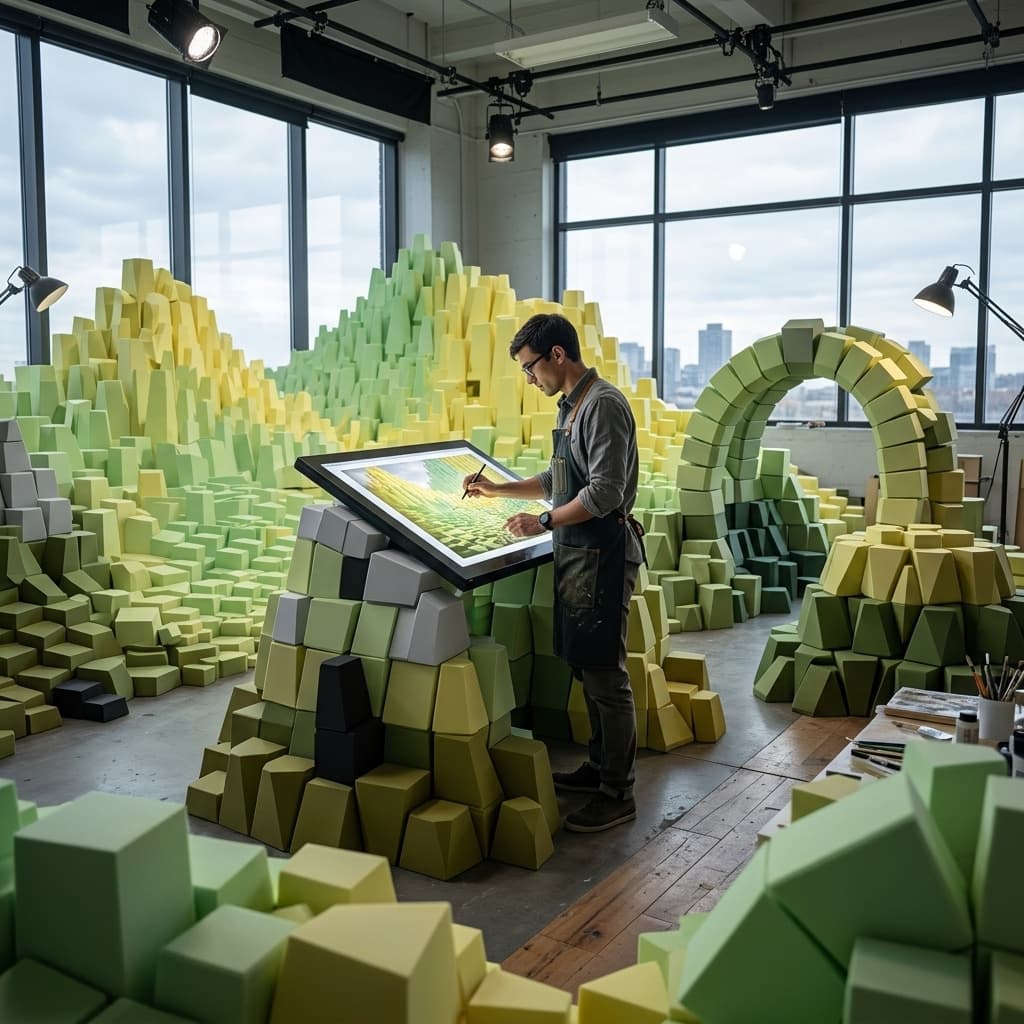
GPT-Image-2.5 Sunburst is OpenAI's most capable model for image generation and editing, designed for premium workflows that need tighter control across detailed and iterative edits. It combines strong reference-subject preservation, localized changes, natural lighting and textures, complex layout handling, and consistent visual direction for production-ready campaign creative, polished product imagery, and other demanding visual design work.
Featured Models
Top-performing models in this category, recommended by our community and performance benchmarks.
by OpenAI
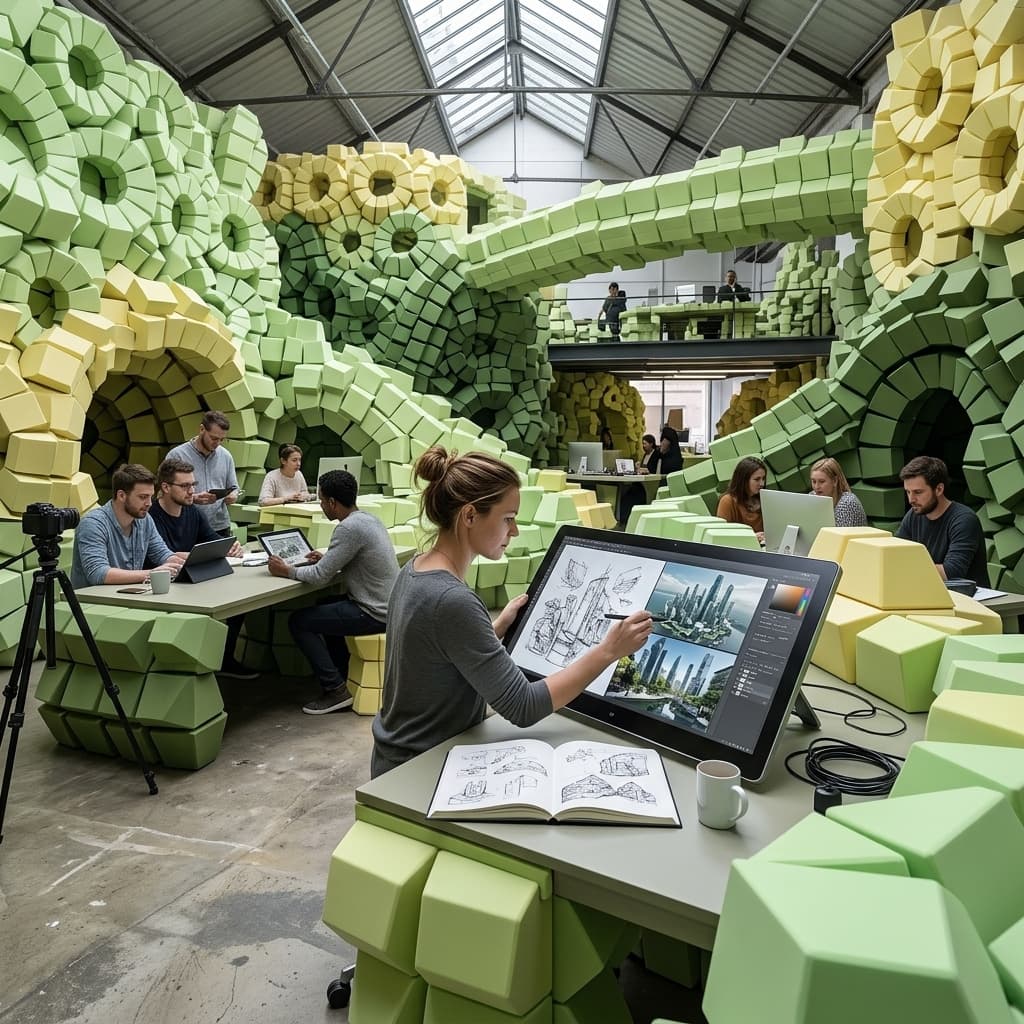
GPT-Image-2.5 Flare is OpenAI's fastest model for high-quality image generation and editing, delivering higher-quality images than GPT Image 2 at 50% lower latency. It improves natural lighting, texture detail, reference-subject preservation, localized editing, and consistency across iterative edits, while handling complex layouts and transparent backgrounds. It is designed for creator content, product experiences, visual search, rapid prototyping, and high-volume generation.

by OpenAI
GPT Image 2 is a general-purpose GPT Image family model for text-to-image generation and image editing. Its strengths include strong prompt adherence, readable embedded text, detailed edits, photorealistic rendering, and structured visual outputs such as posters, packaging, product comps, diagrams, and other layout-sensitive images.

by Google
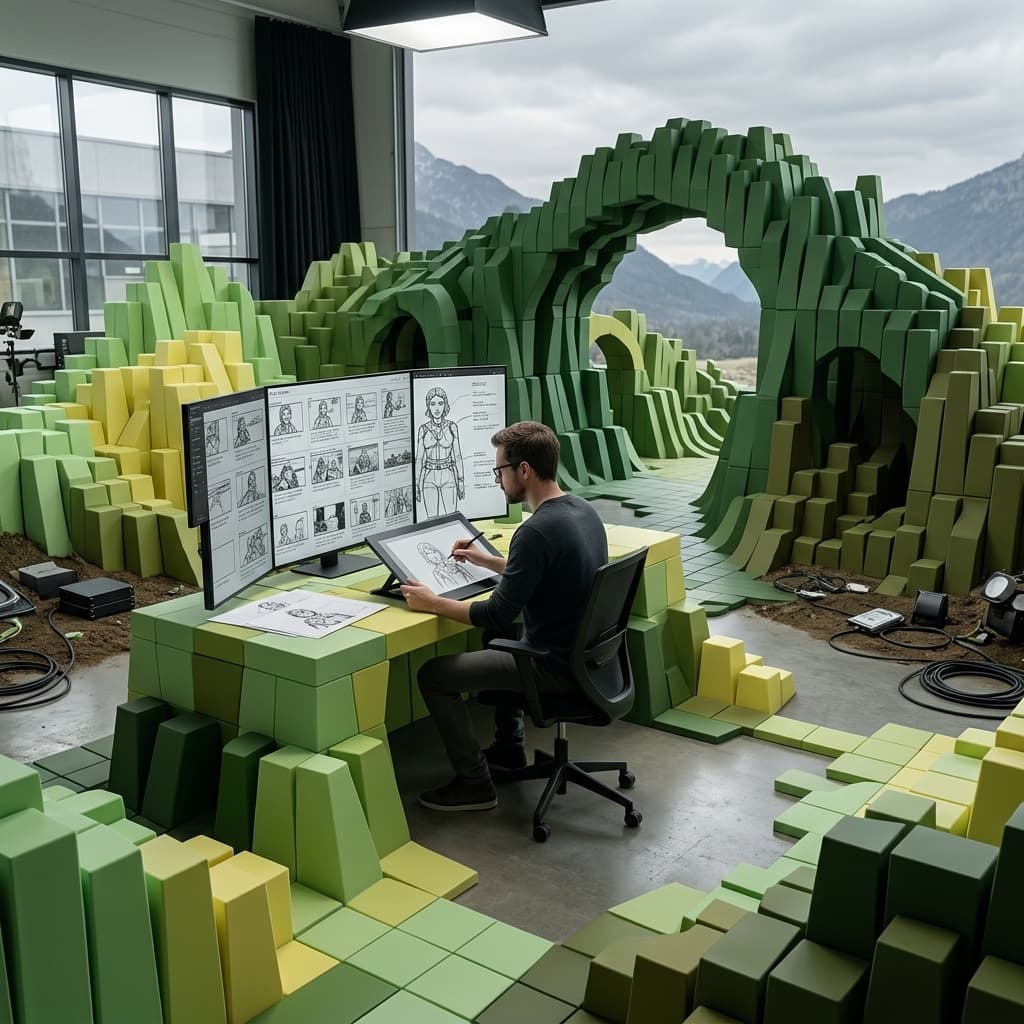
Nano Banana 2.1 is Google's updated image generation and editing model in the Nano Banana 2 family. It improves graphic composition and subject consistency, and it follows complex prompts and edit instructions more accurately. It works from text alone or from as many as fourteen reference images plus one reference video, and it can ground a generation in live web and image search so the result reflects current facts and real visual references. It generates at 1K, 2K and 4K, with three levels of thinking that trade speed for reasoning depth, which suits layout-heavy design work, recurring characters and products, and precise multi-step edits.

by xAI
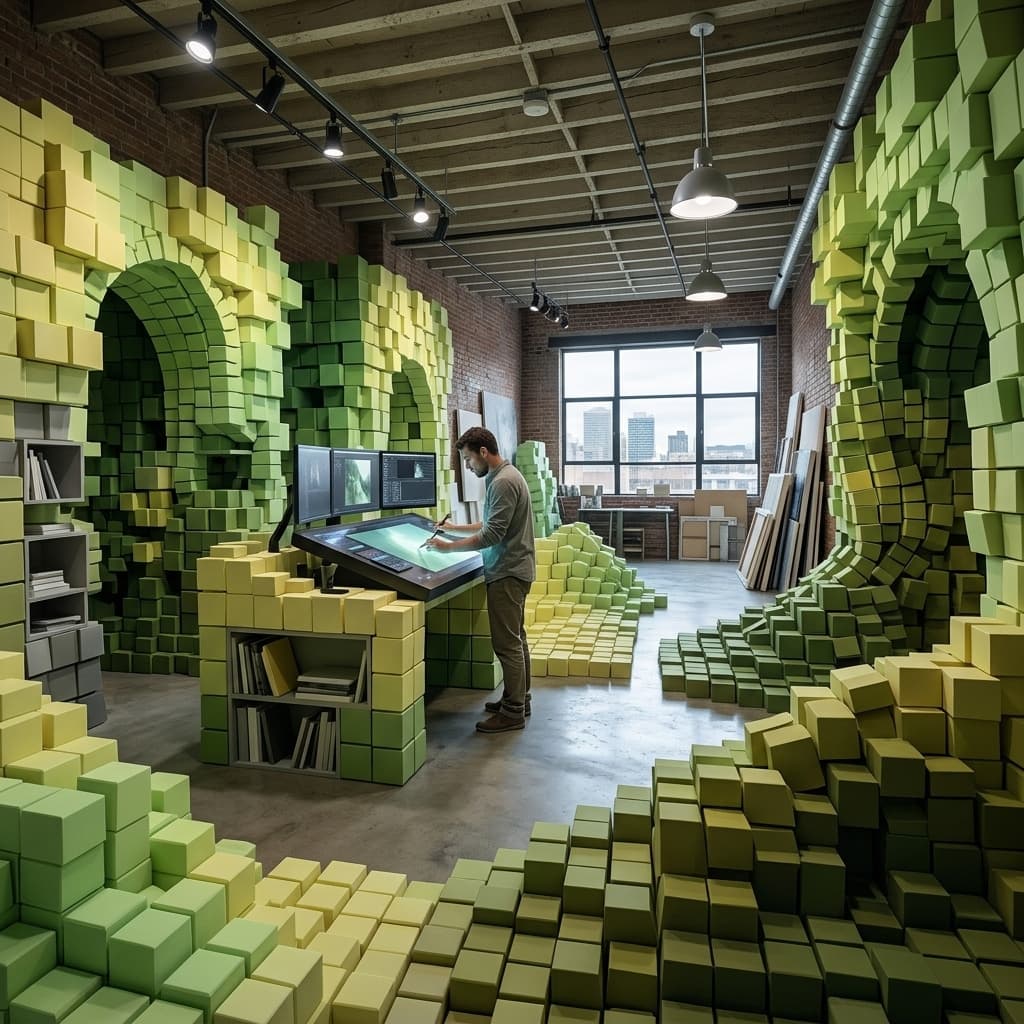
Grok Imagine Image 2.0 is xAI's next-generation image generation and editing model for both text-to-image and prompt-guided image transformation. It keeps the same core workflow as the current Grok Imagine image family, including aspect-ratio control and image-based editing, while adding a dedicated quality parameter so teams can tune output fidelity within the same API shape. It is a strong fit for creative production pipelines that want one Grok image endpoint for generation, editing, and quality-sensitive iteration without switching to a separate model family.

by Meta
Muse Image is Meta's flagship image generation model from Meta Superintelligence Labs. It is built for prompt-faithful image creation, precision editing, and multi-reference composition, with strong text rendering and the ability to refine existing photos through localized markup-based edits. Meta positions it as an agentic image model that plans layouts, uses search and coding tools to improve accuracy, blends multiple visual references intelligently, and handles both creative generation and practical visual tasks such as infographics, QR codes, restorations, product-style mockups, and photobomber removal.
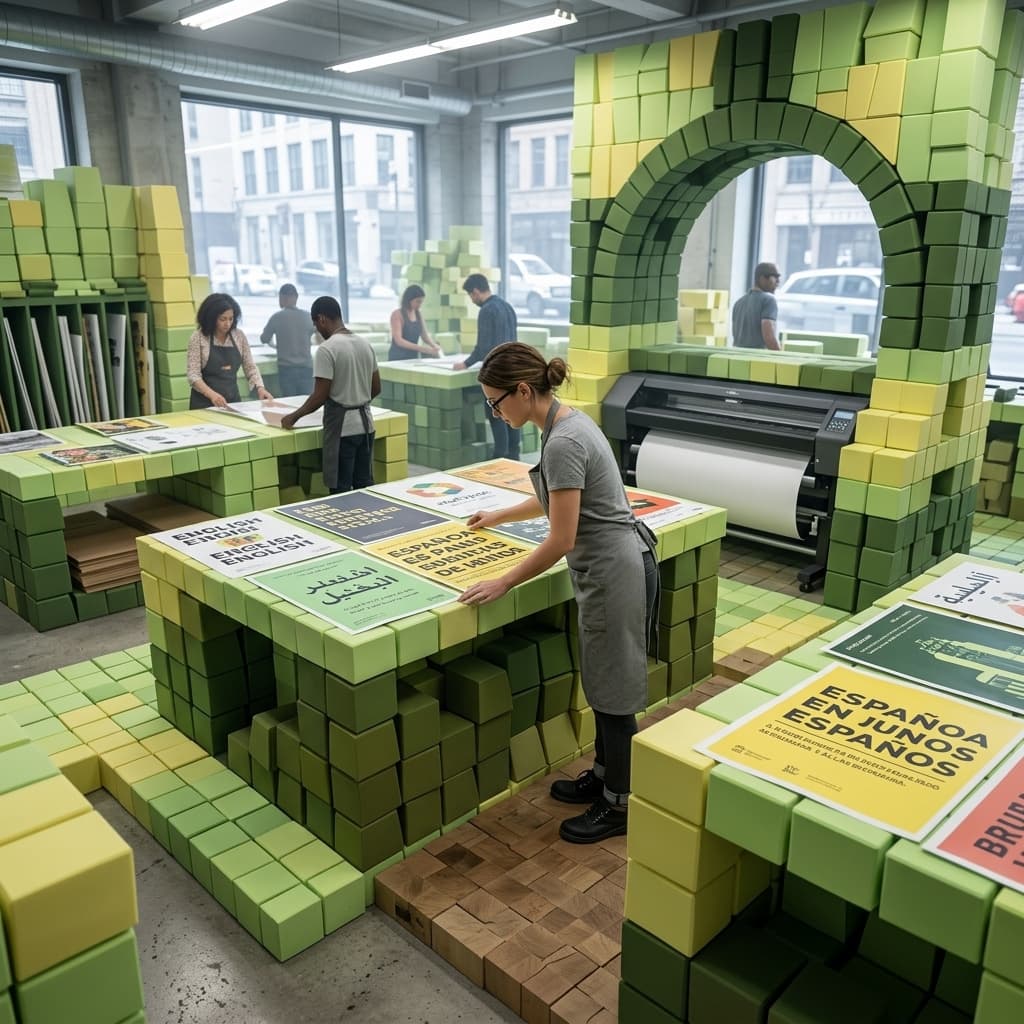

by Alibaba
Qwen-Image-3.0-Pro is Alibaba's higher-capability Qwen Image 3.0 model for both text-to-image generation and prompt-guided image editing. It is built for visually dense and instruction-heavy work, with stronger support for complex layouts, image-within-image compositions, multilingual typography, and precise small-text rendering while preserving high photorealistic detail in faces, skin, hair, and materials. It is especially well suited to posters, menus, storyboards, interface mockups, branded graphics, and other production workflows where layout fidelity and text quality matter as much as raw image quality.
by Google
Nano Banana 2 (officially known as Gemini 3.1 Flash Image) is Google’s upgraded AI image generation and editing model that brings advanced visual creation capabilities to a broad audience. It generates detailed, expressive images from text and image prompts with sharp details, richer lighting, and improved adherence to complex instructions. Nano Banana 2 also supports multi-object and multi-character consistency, accurate text rendering within images, and flexible resolution control up to 4K. It is now integrated across Google’s AI platforms including the Gemini app, Search AI Mode, and other Gemini-powered services.
by Google
Nano Banana Pro (also known as Nano Banana 2) is a Gemini 3 Pro Image Preview model for controlled visual creation. It improves reasoning over lighting and camera angle. It supports high resolution output and multi image blending for production ready design workflows and creative tools.

by ByteDance
Seedream 5.0 Pro is ByteDance's flagship image generation and editing model for teams that need stronger control than prompt-only workflows provide. It supports text-to-image and reference-guided image editing with up to 10 input images, and is designed for precise local changes using coordinates, masks, bounding boxes, sketches, and material or color instructions. The model also supports multi-image fusion, advanced layer separation, and strong multilingual rendering, making it well suited to design, marketing, e-commerce, and storyboard-driven content production.
by Google
Nano Banana 2 Lite is a lighter variant in Google's Nano Banana 2 image model family. It is positioned as a more efficient option for teams that want the same broad text-to-image and image-editing workflow shape as Nano Banana 2 but with faster turnaround and a smaller model footprint. It is best understood as a lower-latency, higher-throughput entry point into the Nano Banana 2 family rather than a separate creative direction.

by Ideogram
Ideogram 4.0 is Ideogram's most capable text-to-image model for design-heavy image generation. It is built for frontier text rendering across languages, structured prompt control through natural language or JSON, bounding-box layout control, transparent background generation, and high-fidelity 2K output. It is well suited to posters, branded graphics, packaging, product visuals, typography-led compositions, and other workflows where design precision matters as much as visual quality.
![FLUX.2 [flex]](/_next/image?url=https%3A%2F%2Fassets.runware.ai%2Fcovers%2Fbfl-flux-2-flex.jpg&w=1920&q=75)

by Black Forest Labs
FLUX.2 [flex] is a configurable text to image and image editing model built for precise text placement and stable layouts. It exposes sampling and guidance controls and supports up to ten reference images for consistent characters or products across complex compositions.
![FLUX.2 [max]](/_next/image?url=https%3A%2F%2Fassets.runware.ai%2Fcovers%2Fbfl-flux-2-max.jpg&w=1920&q=75)
by Black Forest Labs
FLUX.2 [max] is a high-precision text to image and image editing model from Black Forest Labs that generates visuals grounded in real-time information via live web search. It delivers maximum prompt adherence with multi-reference editing and state-of-the-art consistency across identities, objects, and details.

by Recraft
Recraft V4.1 Utility Pro is the higher-resolution controlled-output raster model in the Recraft V4.1 family. It is built for predictable, clean commercial imagery with flatter lighting, front-facing compositions, and simpler scenes, making it well suited to polished product shots, icons, packaging visuals, and e-commerce assets that need consistency over creative variation.
![FLUX.2 [dev]](/_next/image?url=https%3A%2F%2Fassets.runware.ai%2Fcovers%2Fbfl-flux-2-dev.jpg&w=1920&q=75)
by Black Forest Labs
FLUX.2 dev is an open weight text to image and image editing model from Black Forest Labs. It targets developers who need precise control over prompts, references, and iteration. Use it for non commercial research, workflow prototyping, and multi conditioning image pipelines.
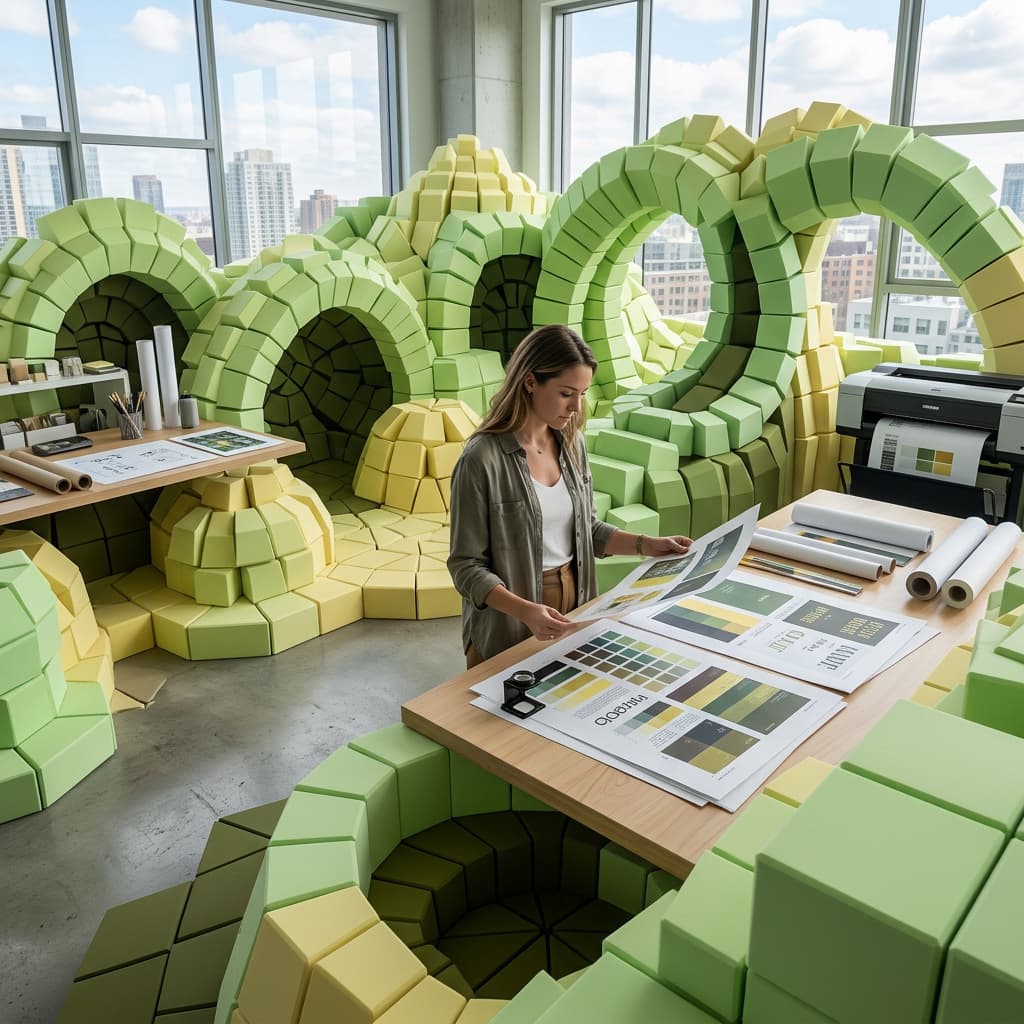
by Recraft
Recraft V4.1 Pro is the higher-resolution raster model in the Recraft V4.1 family for premium creative production. It shares the same improved design taste and capabilities as V4.1, including cleaner photorealism, stronger object understanding, smoother gradients and 3D rendering, cleaner icon and logo output, and better short-prompt behavior, but is tuned for larger and more polished final assets.
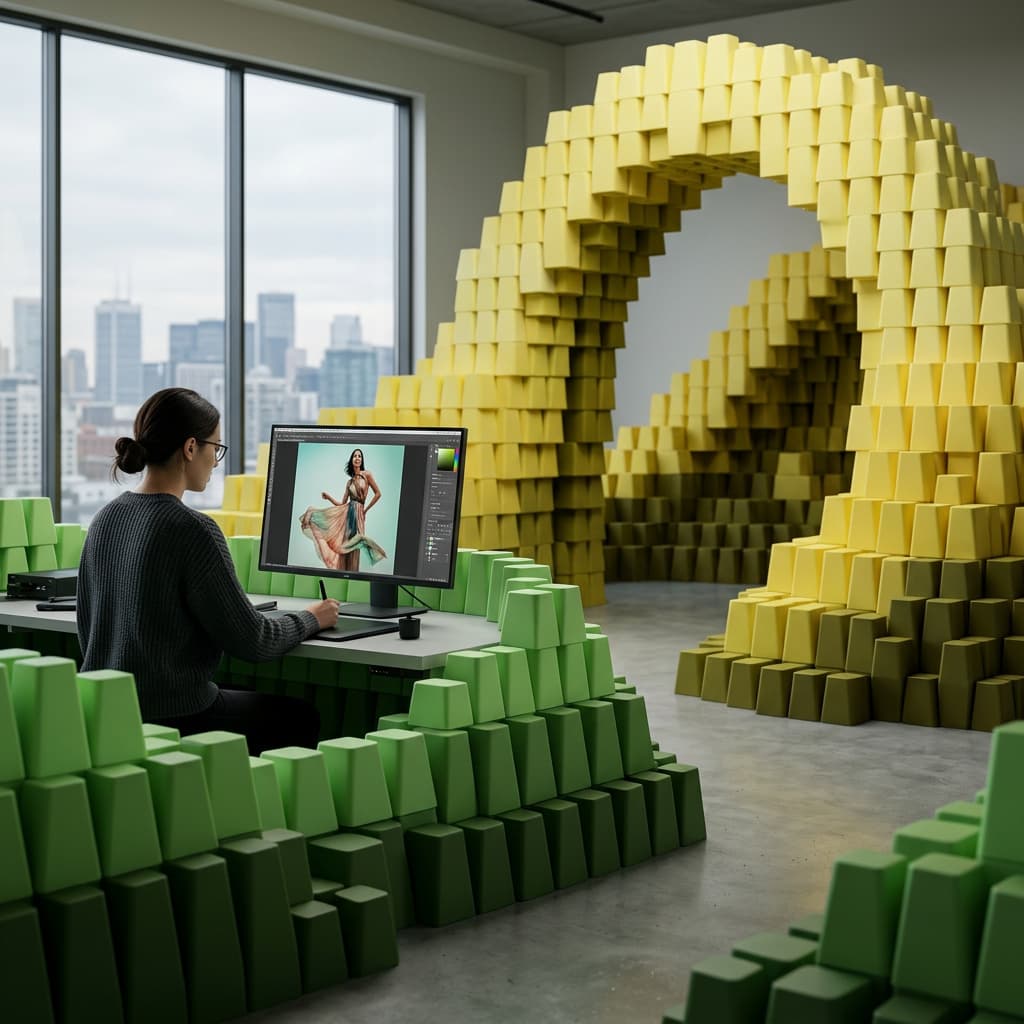
by Alibaba
Qwen-Image-2.0-Pro builds on Qwen-Image-2.0 with optimized visual fidelity, improved layout and typography handling, and advanced editing control for professional creative and enterprise applications. It delivers richer detail, more accurate text and iconography rendering, and refined editing semantics across a wide range of visual styles, making it suitable for advertising, branding, design systems, and high-impact visual content.
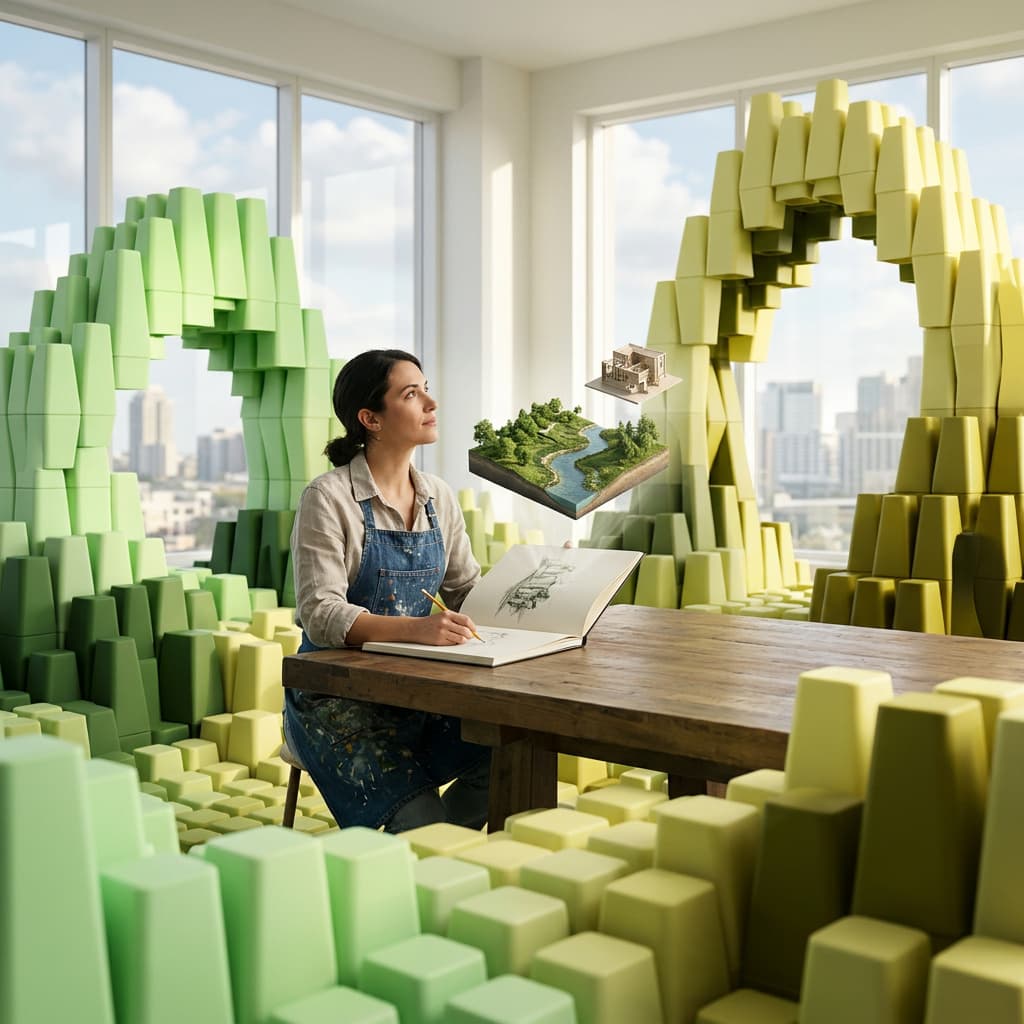
by xAI
Grok Imagine Image is a multimodal generative image model that creates high-quality still images from text prompts or image inputs. It supports flexible visual synthesis across a range of styles, enabling developers to generate creative imagery directly from structured prompts or to expand on existing visuals with coherent, detailed outputs.
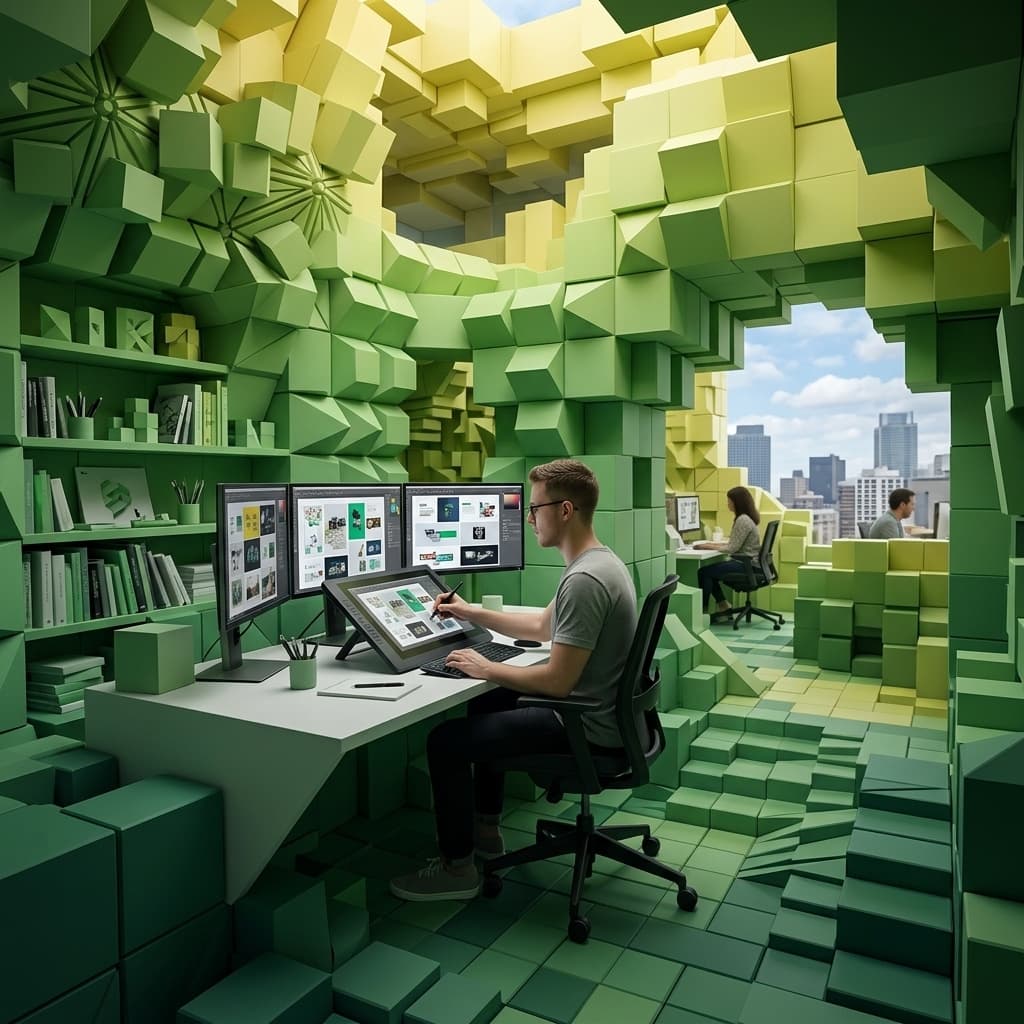
by Recraft
Recraft V4.1 Flash is the speed tier of the Recraft V4.1 family, a dedicated fast raster model for text-to-image generation at 1K resolution. It keeps output quality close to Recraft V4.1, with strong results in photography, portraits, atmosphere, complex scenes, mixed media, and logo concepts. It suits high-volume generation, rapid iteration, and design exploration where latency and cost matter most.