

HeyGen
How a leading AI video platform unlocked new product capabilities by replacing expensive managed providers with a single, cost-effective inference API.
See exactly what's required to migrate your business to Runware.
Our AI Migration Skills, API documentation, and support team are here to help.
Pick a provider to see a real request turn into its Runware equivalent. Toggle the migration strategy to see what changed and why.
Customers switching from Fal saved on average 61% across 49 popular models.
See the full comparisonprompt → positivePromptimage_size → flat width/heightnum_inference_steps → stepsnum_images → numberResultstaskType — requiredtaskUUID — client-generated, requiredmodel — AIR model idPOST https://queue.fal.run/fal-ai/flux/devAuthorization: Key $FAL_KEY{"prompt": "a photograph of an astronaut riding a horse","image_size": { "width": 1024, "height": 1024 },"num_inference_steps": 30,"seed": 42,"num_images": 1}
POST https://api.runware.ai/v1Authorization: Bearer $RUNWARE_API_KEY[{"taskType": "imageInference","taskUUID": "<uuid-v4>","model": "runware:101@1","positivePrompt": "a photograph of an astronaut riding a horse","width": 1024,"height": 1024,"steps": 30,"seed": 42,"numberResults": 1}]
Use our Migration Skills to get help mapping an existing integration to Runware, or use our documentation to make the changes yourself.
Let your agent help with the heavy lifting.
These Skills follow the open Agent Skills standard, so Claude Code, Cursor, Codex, OpenClaw, and other agents can all use them. Download a Skill, drop it in, then paste in your existing API requests — it checks your integration against Runware and helps identify what maps cleanly, what needs changing, and where there are differences.
For building a new integration from scratch — the unified request shape, auth, async delivery, and error handling.
Paste a Fal API call and get a compatibility report: what maps cleanly, what needs adjustment, what has no equivalent.
Same compatibility check for Replicate — including known billing gotchas we've already found and documented.
Same compatibility check for WaveSpeed, including its model-specific request schema quirks.
Same models, lower bill, no infrastructure to run. Here's what moving to Runware looked like for teams shipping at production scale.
How a leading AI video platform unlocked new product capabilities by replacing expensive managed providers with a single, cost-effective inference API.
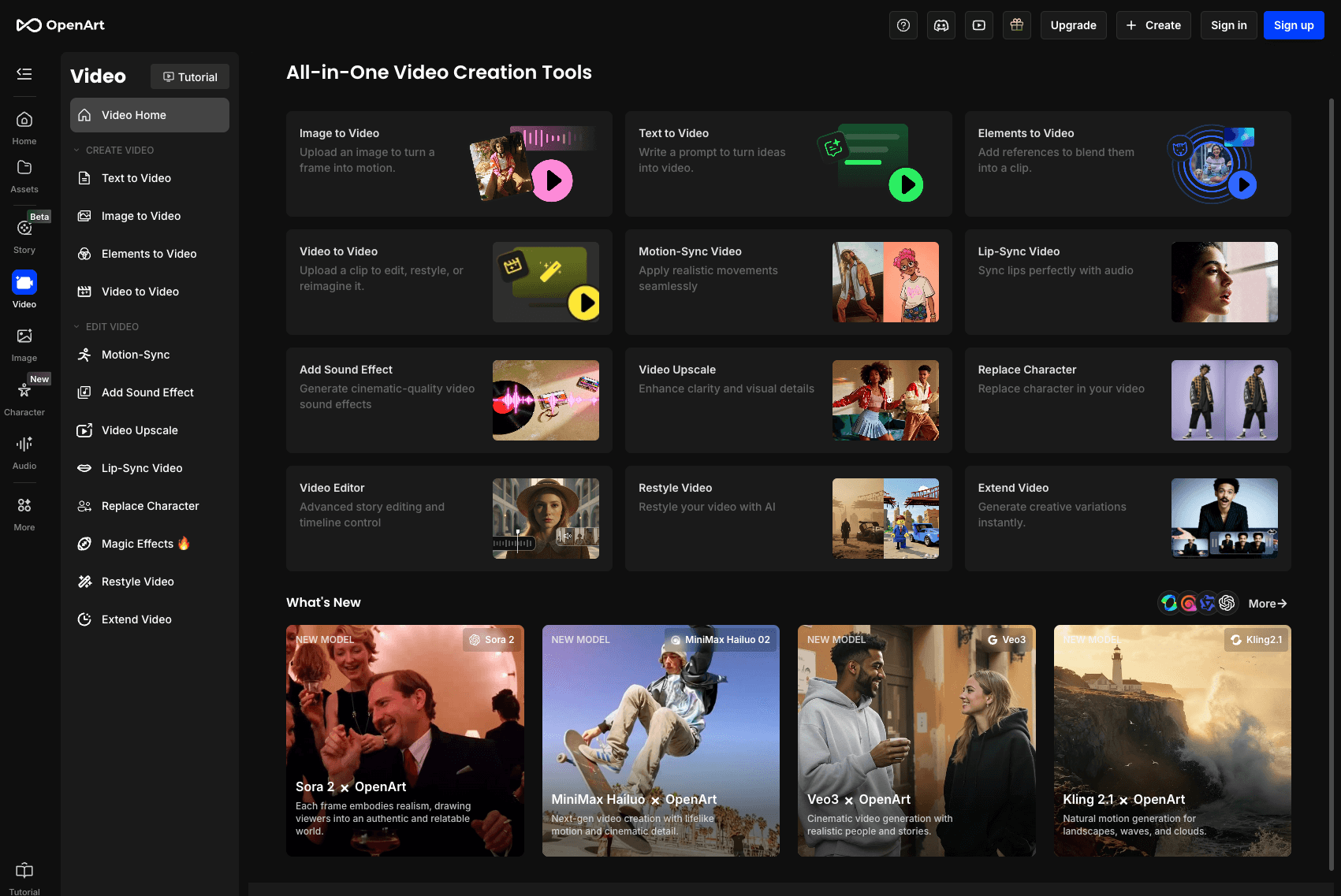
How OpenArt achieved sub-second image generation at scale with Runware's Sonic Engine.
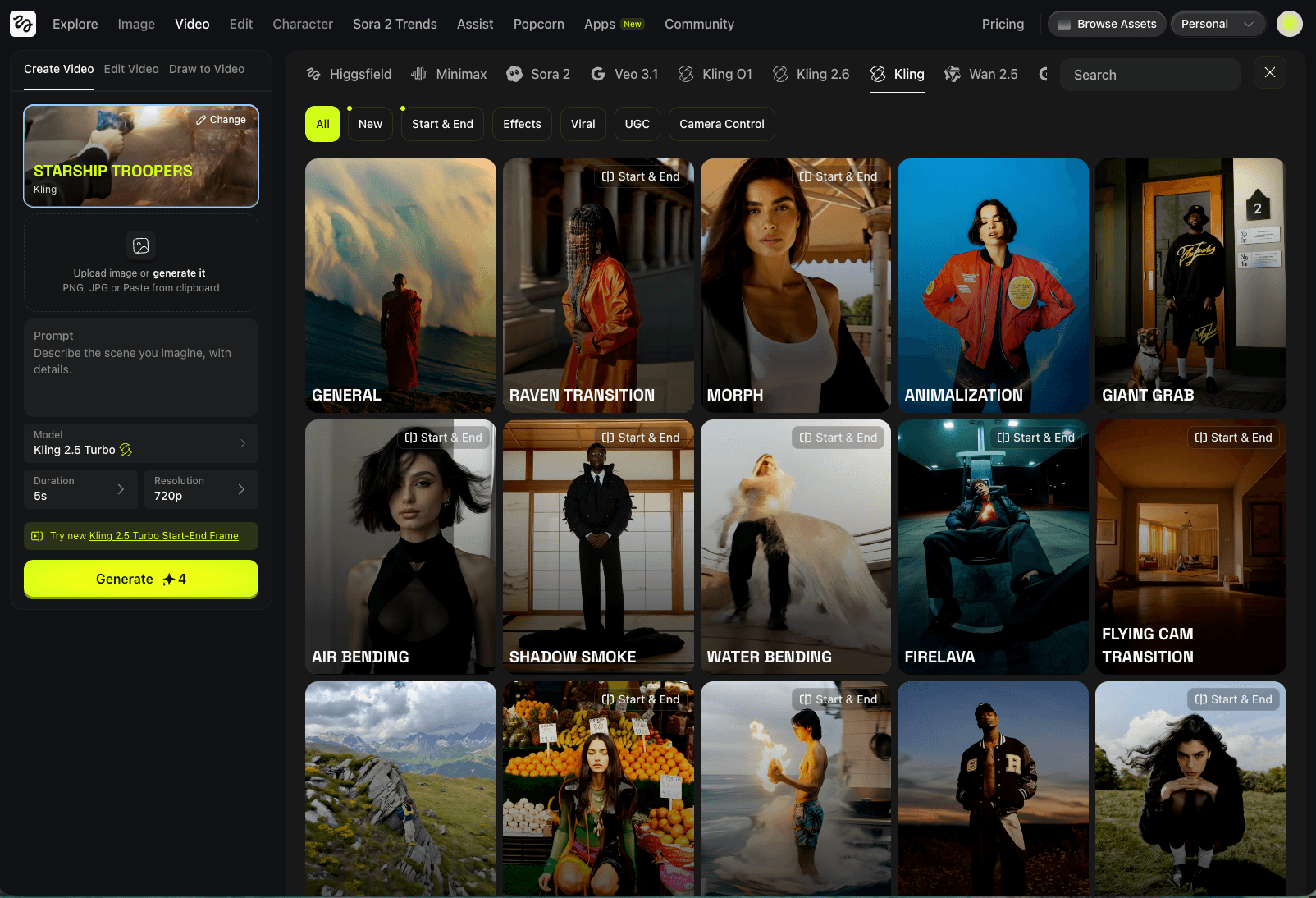
How a fast-growing video generation startup deployed a major model release in hours.
How NightCafe scaled their AI art community without hiring a single infrastructure engineer.
It depends on the size of your integration, but for most teams it's a small, mechanical change, not a rewrite. Requests stay JSON, whether you connect over REST or WebSocket, and what changes is field names, the auth header, and how you address a model. Our Migration Skills and docs are built to get you to a first working call quickly, with most of the remaining time spent on your own testing rather than the code change itself.
No. Your business logic, image and video handling, and app code stay the same. Only the layer that builds the request and parses the response changes, and that's what the Migration Skills are built to help with.
They're compatibility checkers, not auto-translators. Paste in your existing API call and the skill tells you what maps cleanly, what needs adjustment, and what has no direct equivalent, with a before and after for each. It can give examples and guidance, but outputs will need testing before implementation.
Runware supports both webhook delivery and async polling, but the payload shapes may differ from what you're used to. The Migration Skills and the docs address this directly so you're not left guessing.
Some features may have no direct equivalent because Runware approaches things differently. The Migration Skills will flag these cases explicitly.
The TypeScript SDK and Python SDK wrap both REST and WebSocket transports and validate your request against the model's schema before sending, so you get type checking and error catching before the request ever leaves your machine.
Yes. You also get one unified API across image, video, audio, LLM, 3D, and vision — not a separate integration per modality — plus a single endpoint that accepts a whole batch of tasks in one request. On the trust side, Runware is SOC 2 and ISO 27001 certified, GDPR compliant, supports SSO and SAML, and doesn't train on your data, with engineering support available 24/7. And Runware is consistently among the lowest prices in the industry — see the real numbers on our Fal, Replicate, and WaveSpeed comparisons.
No. The docs and Migration Skills are free to use, and new business accounts start with credits to cover testing while you migrate. If you need hands-on help, our team is available to assist.
Having trouble with your integration? Talk to us directly — you don't have to figure this out alone.
