Kling 4.0
Coming soon to RunwareKling AI's next video model is coming to Runware
Kling AI has announced Kling 4.0 and Kling 4.0 Flash for an October 2026 launch, with 30-second scenes, keyframe direction, and 4K output. We'll support both through the Runware API the moment they're available.

Every workflow in one native model.
Generation, reference-driven video, and editing in one native multimodal model family, through one integration. Kling 4.0 Flash covers text-to-video, image-to-video, and Omni Reference.
The Kling 4.0 lineup
Kling 4.0 is the full model, for finished, high-resolution work. Kling 4.0 Flash is built on it with a subset of its capabilities, as a lighter, faster way to create.

Kling 4.0
The full model, for finished work.
- 3 to 30 seconds in a single pass
- 720p, 1080p, and 4K, with 10-bit HDR coming soon
- Start and end frames, plus up to 10 keyframes
- Omni Reference with up to 15 assets, and video editing
- Dual-channel stereo audio
Kling 4.0 Flash
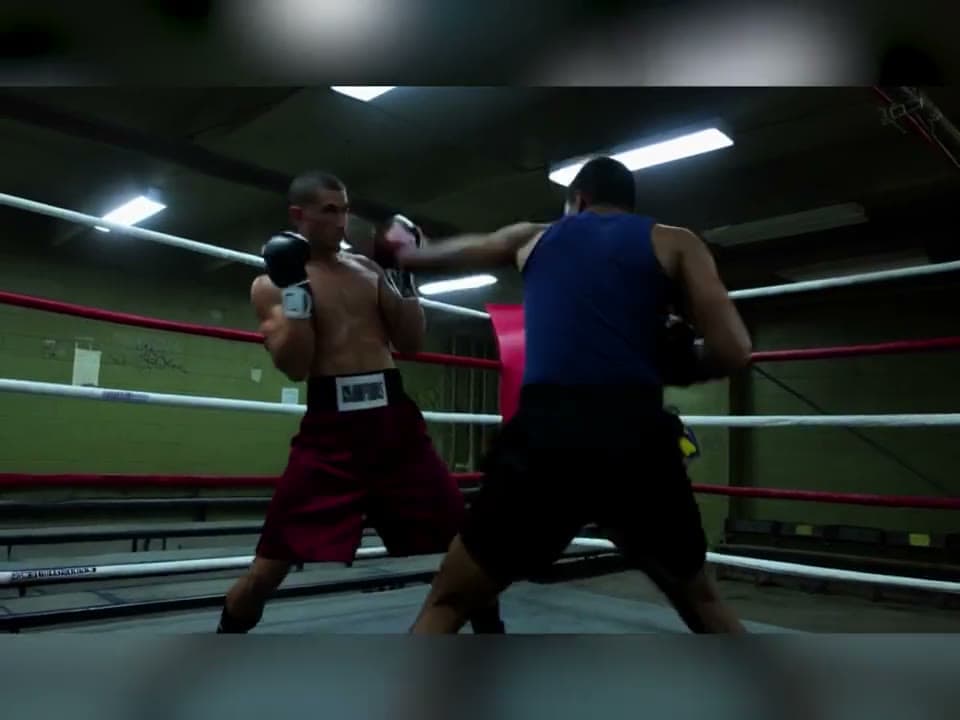
Built for frequent creation: fast generation at excellent value.
- 3 to 20 seconds in a single pass
- 720p, 8-bit SDR
- Text-to-video and image-to-video from a first frame
- Omni Reference
Kling 4.0 and Kling 4.0 Flash specifications
| Model | Kling 4.0 | Kling 4.0 Flash |
|---|---|---|
| Text-to-video | Yes | Yes |
| Image-to-video | Yes | Yes, from a first frame |
| Start and end frames | Yes | No |
| Multiple keyframes | Up to 10 images | No |
| Video duration | 3–30 seconds | 3–20 seconds |
| Resolution | 720p, 1080p, 4K | 720p |
| Dynamic range | 10-bit HDR at 1080p and 4K (coming soon) | 8-bit SDR |
| Aspect ratio | 21:9, 16:9, 1:1, 9:16, Auto | Not announced |
| Audio | Two-channel stereo | Not announced |
| Dialogue and on-screen text | Chinese, English, Japanese, Korean, Spanish, Portuguese, German, French, Hindi, and more | Not announced |
| Prompt length | Up to 8,000 tokens | Not announced |
| Omni Reference | Up to 15 assets: 10 images, 5 videos (30s combined), 7 subjects (3 from video), and voice | Yes |
| Video editing | Up to 5 clips including 1 primary, each 3–30s, 30s combined | Not announced |
| Extension | Up to 2 minutes in total (coming soon) | Not announced |
What's new in Kling 4.0
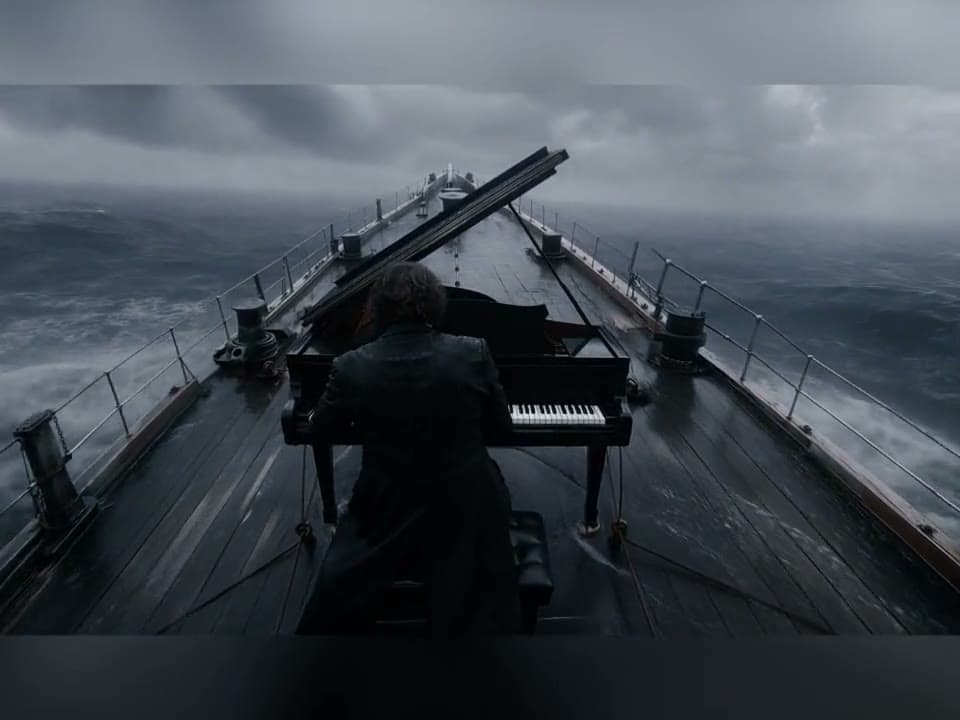
Native 30-second generation
Generate up to 30 seconds in a single pass, so a whole scene plays out with one continuous cast and camera instead of stitched clips.

Up to 10 keyframes
Pin up to 10 images anywhere on the timeline to direct camera moves, shot changes, character entrances, and product reveals.
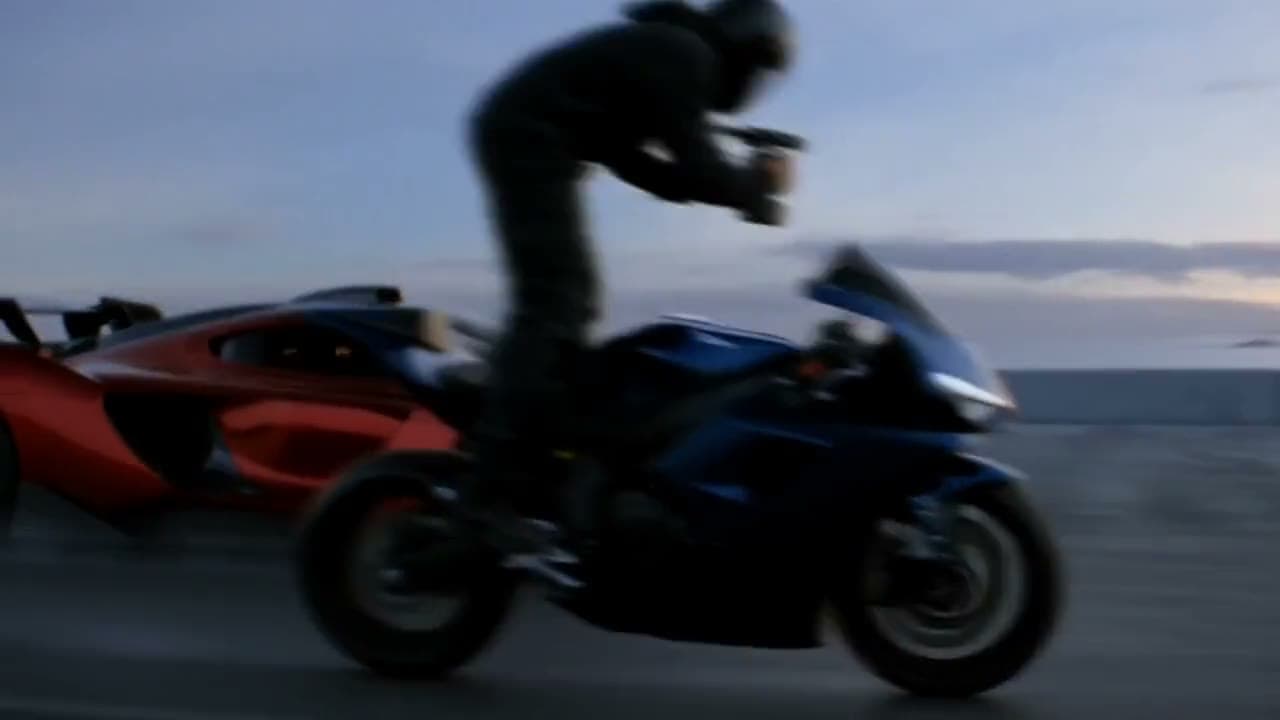
Omni Reference
Combine up to 15 references in one request, including up to 10 images, 5 videos, 7 subjects, and voice references.

Stable motion, cinematic sound
Fights, sports, dance, and vehicle chases hold together, with dual-channel stereo audio and tighter lip sync.

Edit existing footage
Add, replace, or remove elements, or change a background, an expression, the camera, the style, or a line of dialogue.
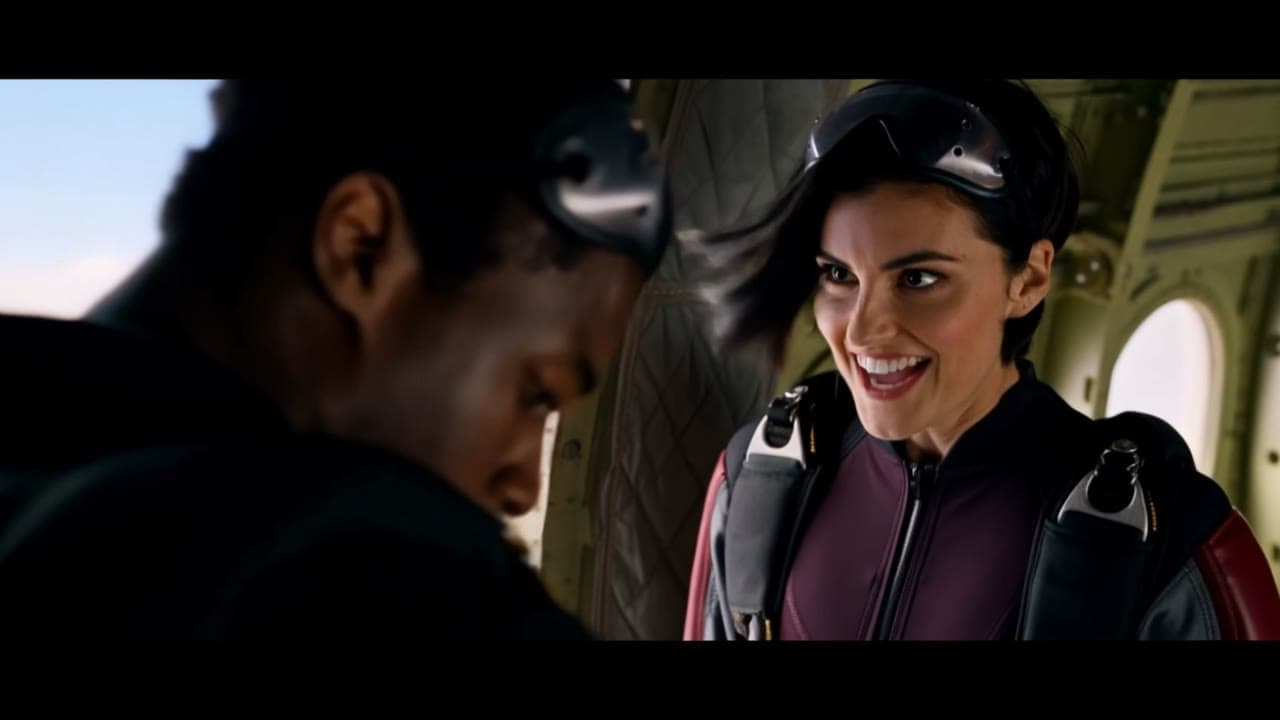
Multilingual dialogue and text
Dialogue in English, Chinese, Spanish, Hindi, and more, with regional accents, plus on-screen text, logos, and emoji that stay legible as the camera moves.
Built for real workflows
Kling 4.0 is Kling AI's native multimodal video model for professional creators and commercial content teams, and Kling 4.0 Flash is its lighter, faster sibling. Text-to-video, image-to-video, reference-driven generation, and editing run in one workflow, with up to 30 seconds of video in a single pass, in styles from vlogs and documentaries to claymation and 3D cyberpunk.
Short-form storytelling
Build a 30-second scene with a continuous cast and camera, directed shot by shot with keyframes.
Product ads and trend recreation
Recreate a reference video's pacing and camera work with your own product or characters.
Character-led series
Keep characters consistent across shots with subject and voice references.
Localized campaigns
Generate dialogue and on-screen text in the viewer's language, with regional accents.
Post-production edits
Swap a background, change a line of dialogue, or replace a character without a reshoot.
Fast drafts with Flash
Try ideas quickly on Kling 4.0 Flash, then render the take you keep on Kling 4.0.
How it compares
Where Kling 4.0 and Kling 4.0 Flash sit next to other leading video models. Kling 4.0's edge is direction: 30-second scenes steered by up to 10 keyframes and 15 combined references, with 4K output and stereo sound.
| Model | Kling 4.0 | Kling 4.0 Flash | Kling VIDEO 3.0 Omni Standard | Seedance 2.5 | Veo 3.1 | Gemini Omni Flash 1.1 |
|---|---|---|---|---|---|---|
| Max duration | 30s | 20s | 15s | 30s | 8s | 10s (30s with extension) |
| Input types | Text, image, video, voice | Text, image, references | Text, image, video | Text, image, video, audio | Text, image, video | Text, image, video |
| Reference inputs | Up to 15: 10 images, 5 videos, 7 subjects | Omni Reference, limits not announced | 7 images + 1 video + 7 elements | 30 images + 10 video + 10 audio | Up to 3 images | 7 images + 3 videos |
| Native audio | Yes, stereo | Not announced | Yes | Yes | Yes | Yes |
| Max resolution | 4K | 720p | 720p | 1080p | 4K | 4K |
| Capabilities | Text-to-video, image-to-video, up to 10 keyframes, reference-to-video, edit | Text-to-video, image-to-video (first frame), reference-to-video | Text-to-video, image-to-video, video-to-video, edit | Text-to-video, image-to-video, video-to-video, audio-to-video, edit | Text-to-video, image-to-video, video-to-video, edit, extend | Text-to-video, image-to-video, video-to-video, first and last frame, edit, extend |
Available today: Kling on Runware
While Kling 4.0 is on its way, the Kling VIDEO 3.0 family is live on Runware now, under the same key and billing as every other model on the platform. When Kling 4.0 launches, moving up is a model ID swap: the same endpoint, the same key, and the same request shape.


Frequently asked questions
What is Kling 4.0?
Kling AI's next-generation native multimodal video model, built for professional creators and commercial content teams and announced on September 28, 2026. Text-to-video, image-to-video, reference-based generation, and video editing run in one workflow, with up to 30 seconds of video in a single pass.
When will Kling 4.0 be available on Runware?
Kling AI has announced that Kling 4.0 will launch in October 2026, without a confirmed date. Kling 4.0 Flash has been in limited early access on Kling's own platform since September 28. Runware will add both models to its API as soon as they're released.
Will I be able to use Kling 4.0 through an API?
Yes. On Runware, Kling 4.0 and Kling 4.0 Flash will run through the same API as every other model: one endpoint, one API key, and the same request shape. If you already call Kling VIDEO 3.0 on Runware, moving up will be a model ID swap.
Can I use Kling models on Runware today?
Yes. The Kling VIDEO 3.0 family is live on Runware now, including Kling VIDEO 3.0 Omni Pro, Kling VIDEO 3.0 Omni 4K, and Kling VIDEO 3.0 Turbo, alongside Kling IMAGE models.
What is Kling 4.0 Flash?
A lighter, faster model in the Kling 4.0 family, built on Kling 4.0 with a subset of its capabilities and designed for frequent creation, combining fast generation with excellent value. It generates 3 to 20 seconds per pass at 720p, and supports text-to-video, image-to-video from a first frame, and Omni Reference, but not end frames or multiple keyframes. Kling hasn't announced its audio support or reference limits yet.
What's the difference between Kling 4.0 and Kling 4.0 Flash?
Kling 4.0 is built for finished work: clips up to 30 seconds, 1080p or 4K output, keyframe direction, and video editing. Kling 4.0 Flash is built for frequent, fast generation at 720p, such as drafting ideas before rendering the take you keep on Kling 4.0.
What's new compared with Kling 3.0?
Generation length doubles from 15 to 30 seconds per pass. Up to 10 keyframes join start and end frames, Omni Reference grows to 15 combined inputs including up to 5 videos, audio moves to dual-channel stereo with dialogue in more languages, and prompts can run to 8,000 tokens, which Kling 4.0 can expand and refine from even a short prompt.
How long can a Kling 4.0 video be?
From 3 to 30 seconds in a single generation. Kling has also announced extending a video multiple times, up to 2 minutes in total, as coming soon.
What resolutions and aspect ratios does Kling 4.0 support?
720p, 1080p, and 4K, in 21:9 ultrawide, 16:9, 1:1, 9:16, or Auto. 10-bit HDR at 1080p and 4K is coming soon.
What can I use as references?
Omni Reference takes up to 15 assets per request: up to 10 images, up to 5 videos with a combined length of 30 seconds, up to 7 subjects (3 of them from video), and voice references, the only kind of audio reference. Images can be subject shots, three-view references, image grids, storyboards, or wireframes. Reference videos can guide performance, motion, camera movement, and pacing, and can be depth maps or untextured 3D renders.
Can Kling 4.0 edit existing video?
Yes. Make targeted changes to expressions, body movement, camera position and movement, style, or background while the rest of the scene stays stable, remove elements, or replace characters and scenes. An edit takes up to 5 input clips, including 1 primary video, each 3 to 30 seconds long and up to 30 seconds combined.
Does Kling 4.0 generate audio?
Yes. It generates dual-channel stereo audio with tighter lip sync, and dialogue in Chinese, English, Japanese, Korean, Spanish, Portuguese, German, French, Hindi, and more, with accents and dialects such as American, British, and Indian English, Cantonese, and Sichuanese. On-screen text, logos, and emoji in the same languages stay legible as the camera moves.
How much will Kling 4.0 cost on Runware?
Runware will publish pricing for Kling 4.0 and Kling 4.0 Flash when they launch. As with every model on Runware, you'll pay only for what you generate, with no subscription or minimums.
Already using Kling through another provider?
Our Migration Skills and docs help map an existing integration over — same request shape as every other Runware model, so the change is usually just field names and auth. See the migration guide for details.
Get notified when Kling 4.0 launches
Leave your details and we'll let you know as soon as Kling 4.0 and Kling 4.0 Flash are live on Runware. We can also talk through enterprise access, including volume discounts and dedicated RPM.