Stories/OpenArt logoOpenArt

How OpenArt scaled visual storytelling and AI creativity with a flexible, low-cost inference backend

How OpenArt accelerated from early traction to multi-million dollar annual revenue by replacing internal GPU infrastructure with a single, ultra-flexible inference API.

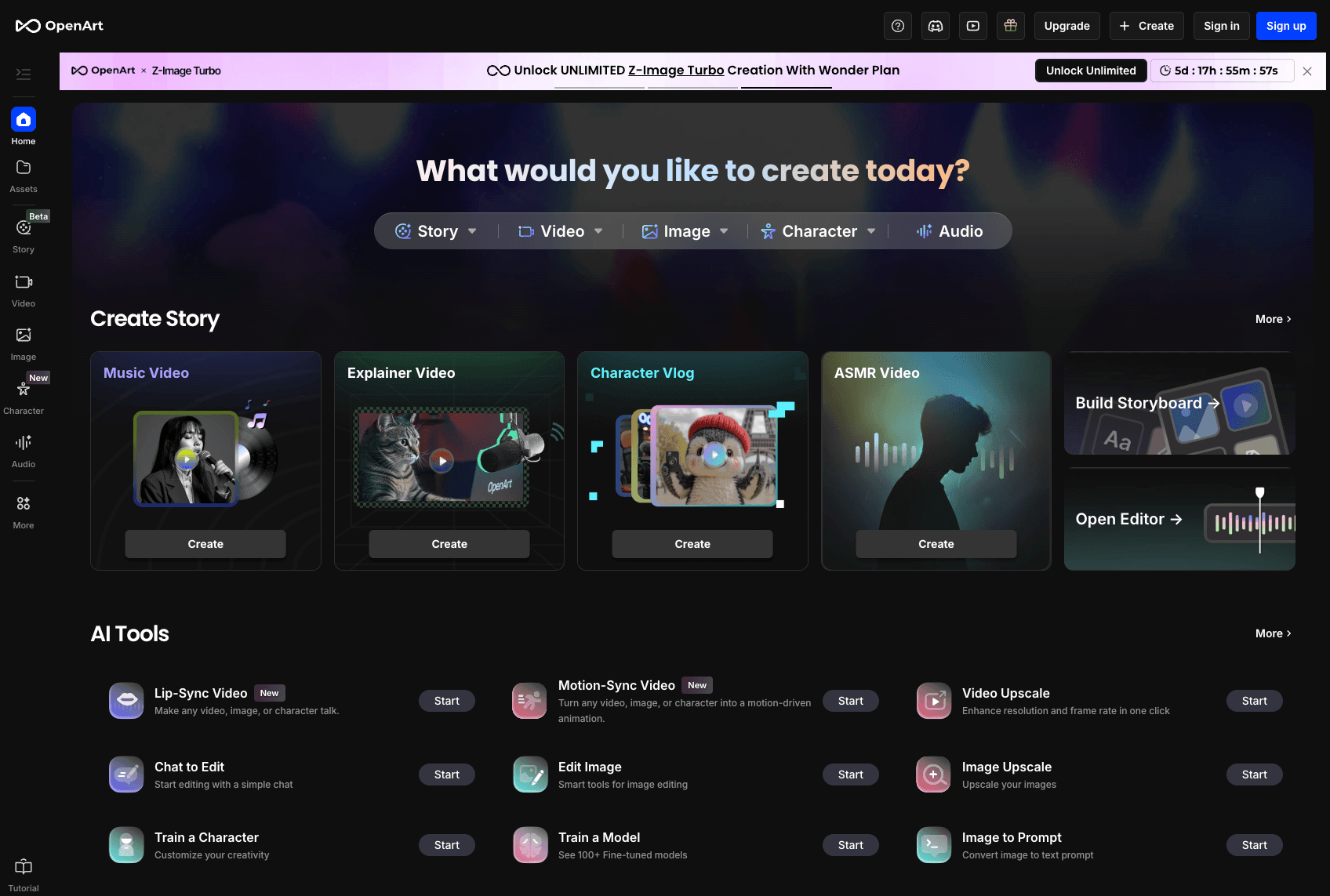
OpenArt homepage

$20M+

Annual revenue

10-20

Team members

0

GPU infrastructure managed

1

Unified API for all models

// the challenge

OpenArt needed to scale advanced multi-modal AI creation tools without the cost and complexity of managing GPU infrastructure.

OpenArt was founded in 2022 by former Google engineers to democratize AI-powered visual creation for creators worldwide. As the platform rapidly scaled from AI image generation into multi-modal creative tools, the company faced significant infrastructure and operational challenges.

Within its first year, OpenArt grew from around $1M ARR to more than $10M ARR, fueled by strong organic growth and community adoption. By 2025, OpenArt's revenue had climbed into the tens of millions, reaching estimates near $20M-$30M ARR despite a small team.

This explosive growth was driven by a global creator community and innovative go-to-market strategies — including SEO optimization for long-tail prompts like "AI fantasy generator" and social features that let users share prompt results and explore others' creations.

But scaling OpenArt's advanced generation and editing workflows presented infrastructure hurdles:

  • Supporting a broad set of both open-source models (e.g., Stable Diffusion variants) and proprietary creative workflows
  • Delivering speedy response times while keeping inference costs predictable at scale
  • Avoiding the operational complexity of managing GPU clusters while enabling editorial and creative workflows like sketch-to-image, upscaling, and one-click video storytelling

The team needed a unified API backend that could serve thousands of model configurations without bespoke endpoints, predictable low inference costs, and hands-off infrastructure management to let the core team focus on product innovation.
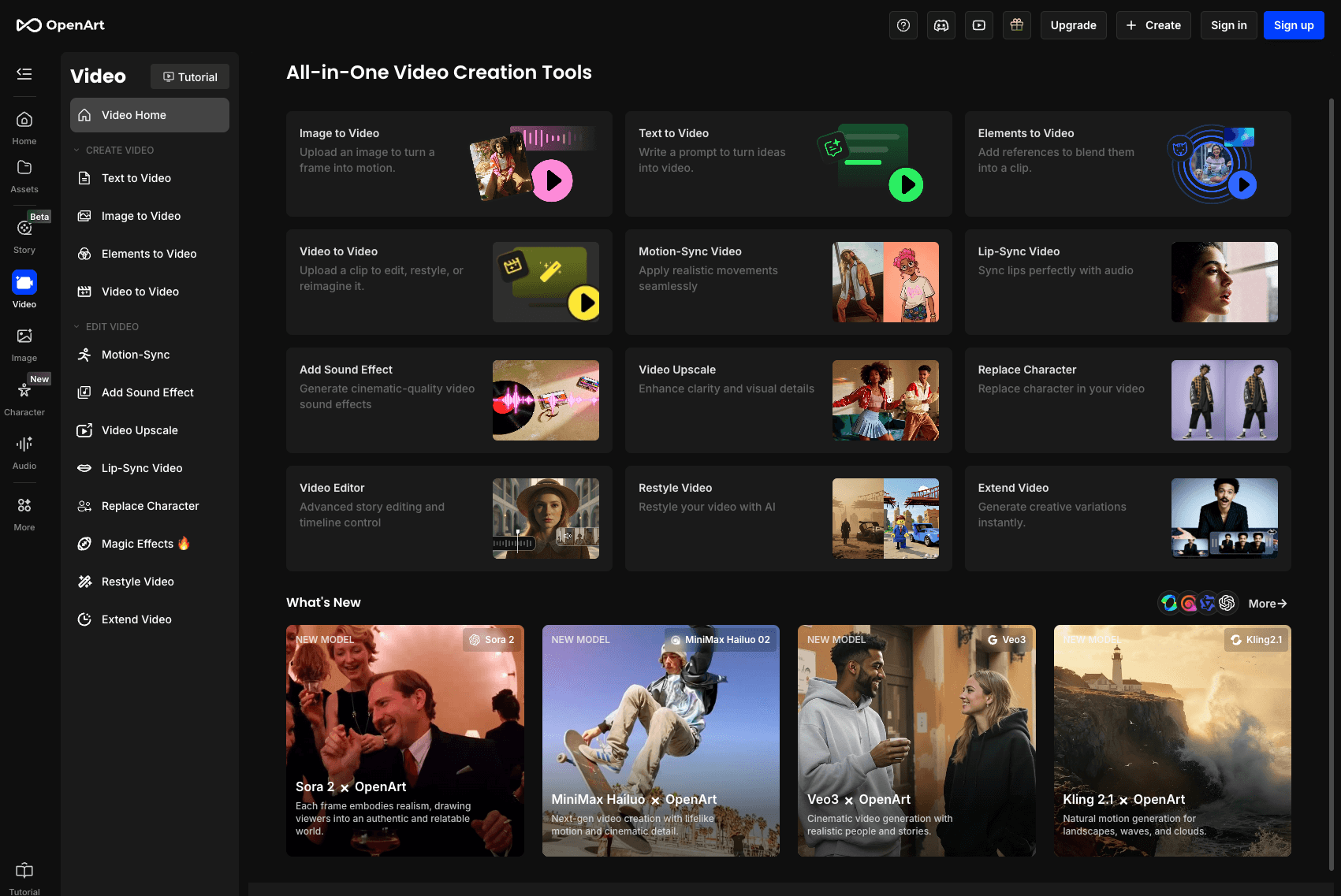
OpenArt video creation workflow

OpenArt's comprehensive video creation suite featuring Image to Video, Text to Video, Motion-Sync, and the latest AI models like Sora 2 and Veo3
// the solution

Runware provided OpenArt with a unified AI inference API that replaced custom GPU infrastructure without sacrificing flexibility or model choice.

By switching to Runware, OpenArt could:

  • Support both open-source and closed-source models through a single API endpoint
  • Power advanced creative workflows without building or maintaining internal GPU infrastructure
  • Scale effortlessly with auto-scaling inference capacity
  • Enable both image and video generation tools to run under one consistent backend

This allowed OpenArt to innovate faster, expand into new product areas like video storytelling, and give creators deeper control without the overhead of managing infrastructure.

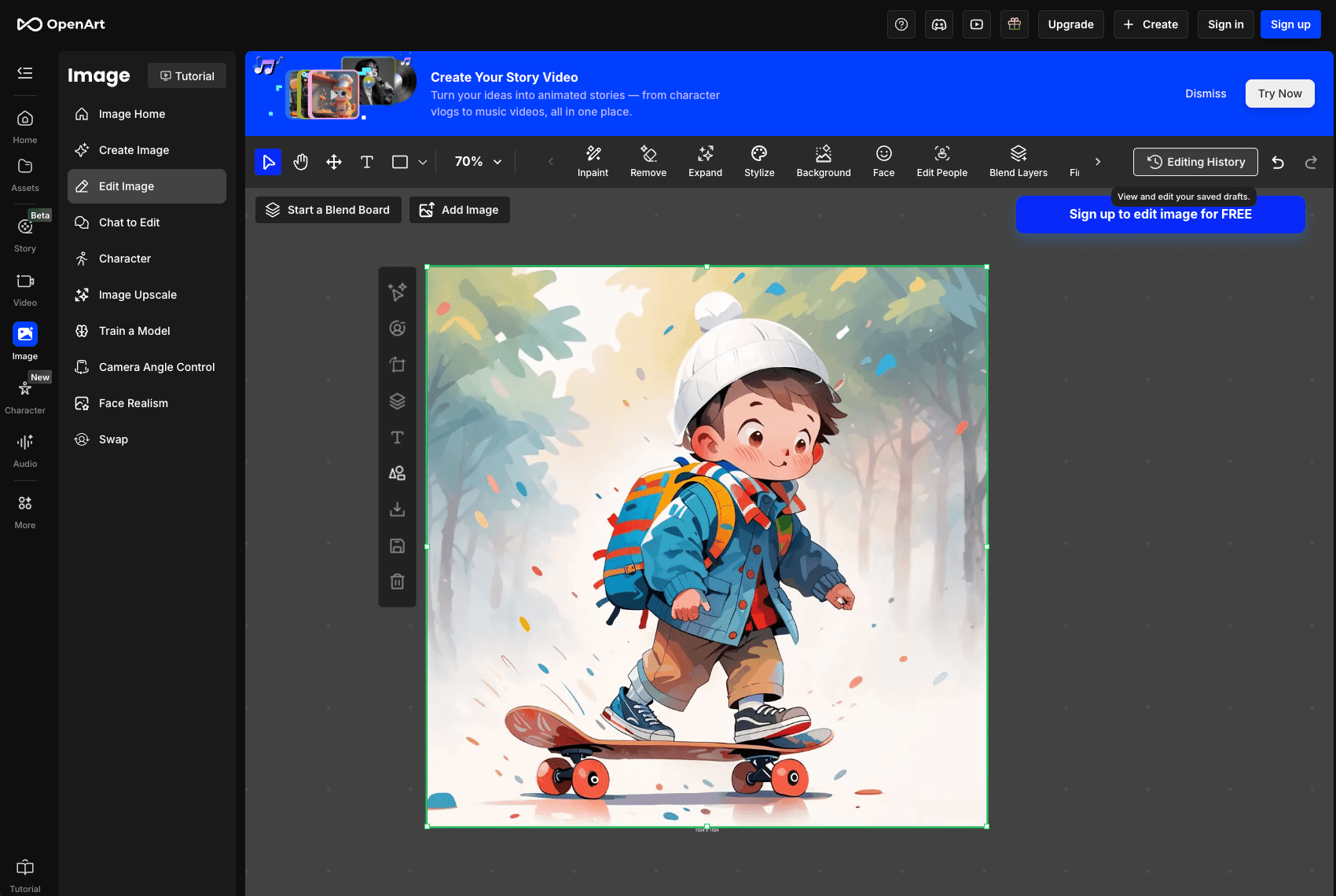
OpenArt editor with generation controls

OpenArt's powerful image editor featuring Inpaint, Remove, Expand, Stylize, Background editing, and Blend Layers tools

// the results

The impact of integrating Runware was immediate, enabling OpenArt to scale while freeing engineering resources to focus on product.

OpenArt's platform continued scaling, enabling greater user engagement and broader creative expression across images, editing, and video creation — all without slowing growth due to backend constraints.

Key outcomes:

  • Lean infrastructure with high performance
  • Elimination of GPU ops burden
  • Rapid rollout of new creation tools
  • Support for open-source + proprietary models from one API
  • Predictable inference costs that scale with usage
  • Rapid experimentation and deployment of new creative features

Why did OpenArt choose Runware?

OpenArt chose Runware to lower inference costs, eliminate GPU infrastructure management, and unify model support for both image and video creative workflows under a single API.