
HeyGen
How a leading AI video platform unlocked new product capabilities by replacing expensive managed providers with a single, cost-effective inference API.
The same open models billed per token, Serverless GPUs billed per second, and image, video and audio on the same API.
The same open models, per 1M tokens. The biggest gap: gpt-oss-120b is 79% lower on input and 77% on output.
Together AI prices from together.ai/pricing (list prices for serverless inference, Dedicated Inference and GPU Clusters; no promotional or preemptible rates), 11 Oct, 2026. Runware prices from runware.ai model pages and Serverless pricing, 23 Oct, 2026.
LLMs per 1M tokens; images per image at about 1 MP; GPUs per GPU-hour. Together reserved rates are its 91–180 days term; Runware reserved rates require a 1–24 month term.
Add the models you run, set monthly tokens or images, and see the same month on Runware and on Together AI.
Add the ones you run, set a monthly volume, and see the two bills side by side.
Add models to build your estimate.
The tables here cover the models both platforms list. Every language model on Runware, with its per-token rate, is on the pricing page.
Your own models on Runware Serverless, billed per second. Runware is 19–33% lower per GPU-hour than Together; H100 on-demand is level with Together's cluster rate.
Together AI Dedicated Inference and GPU Clusters on-demand rates, and the 91–180 days reserved rate, from together.ai/pricing, 11 Oct, 2026.
The saving compares Runware Serverless with the lower of Together's two on-demand rates. Runware rates are our published Serverless pricing; reserved rates require a 1–24 month term, and GPU list rates are subject to change.
What 730 hours on a single B300 costs per month, at the list rates in the table above: Together AI's lower on-demand rate against Runware Serverless and Runware reserved. Reserve a baseline and burst above it on Serverless to land between the two Runware figures.
FLUX and the other image models both of us serve, per image at about one megapixel.
Fine-tuning, rack-scale systems and video, and where to go for them on Runware.
The same per-token API for open LLMs, Serverless GPUs for your own models, and 400K+ image, video, audio and 3D models behind the same key.
For LLMs, three values change: the base URL, the API key and the model id. The OpenAI SDK, the request shape and the streaming format stay as they are. For a model on a dedicated endpoint, bring the same container to Serverless.
Together's OpenAI-compatible endpoint and Runware's accept the same request. Keep the OpenAI SDK and change base_url.
Create a key in the Runware dashboard and put it where the Together key was.
Runware ids are AIR ids, listed on every model page: openai/gpt-oss-120b becomes openai:gpt-oss@120b. Running your own model on a dedicated endpoint? Deploy the same container to Serverless.
from openai import OpenAI

client = OpenAI(
    api_key="your_runware_api_key",
    base_url="https://api.runware.ai/v1",
)

response = client.chat.completions.create(
    model="openai:gpt-oss@120b",
    messages=[{"role": "user", "content": "Hi"}],
    stream=True,
)Lower bill, one API for every modality and your own models on Serverless. Here's what moving to Runware looked like for teams shipping at production scale.
How a leading AI video platform unlocked new product capabilities by replacing expensive managed providers with a single, cost-effective inference API.
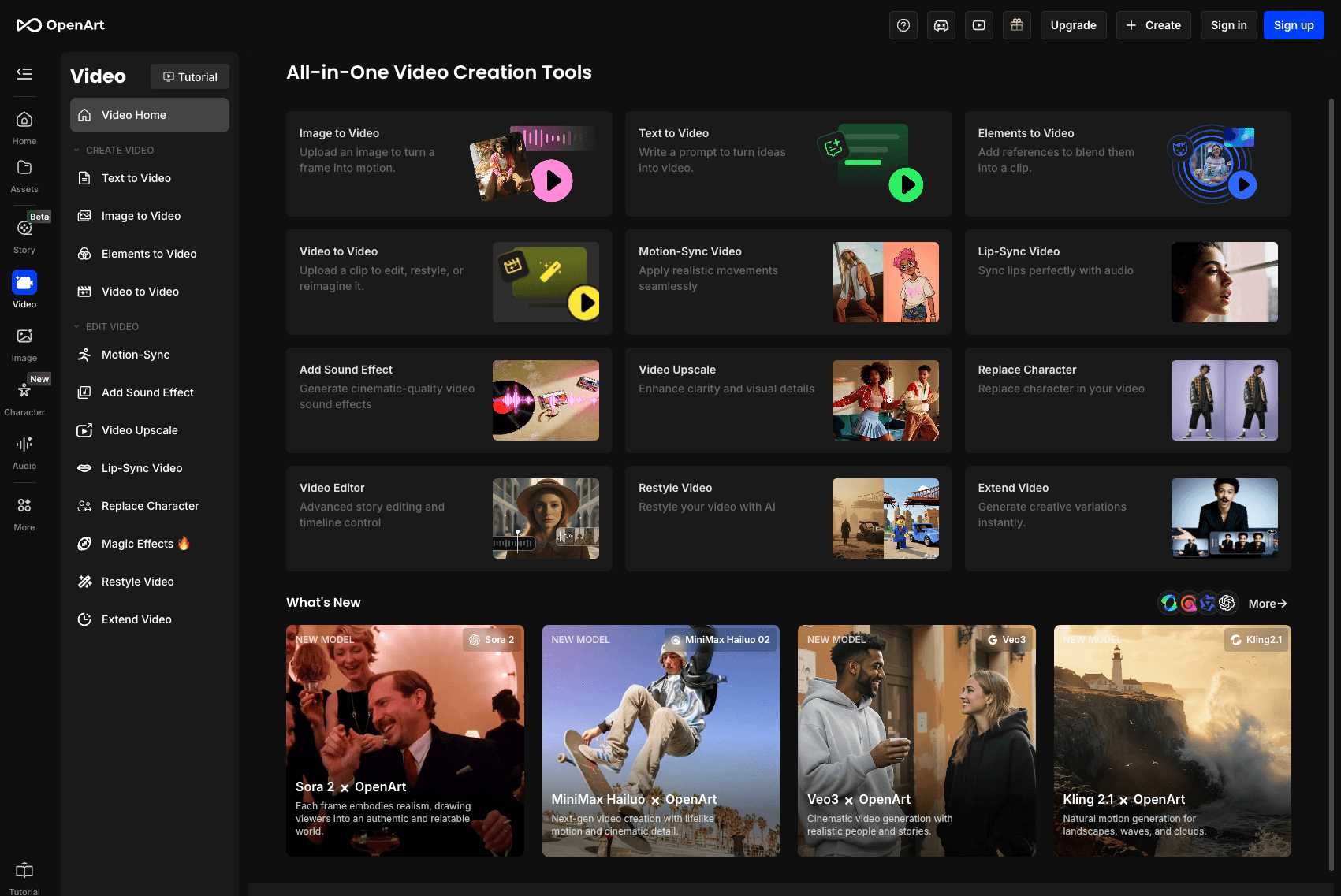
How OpenArt achieved sub-second image generation at scale with Runware's Sonic Engine.
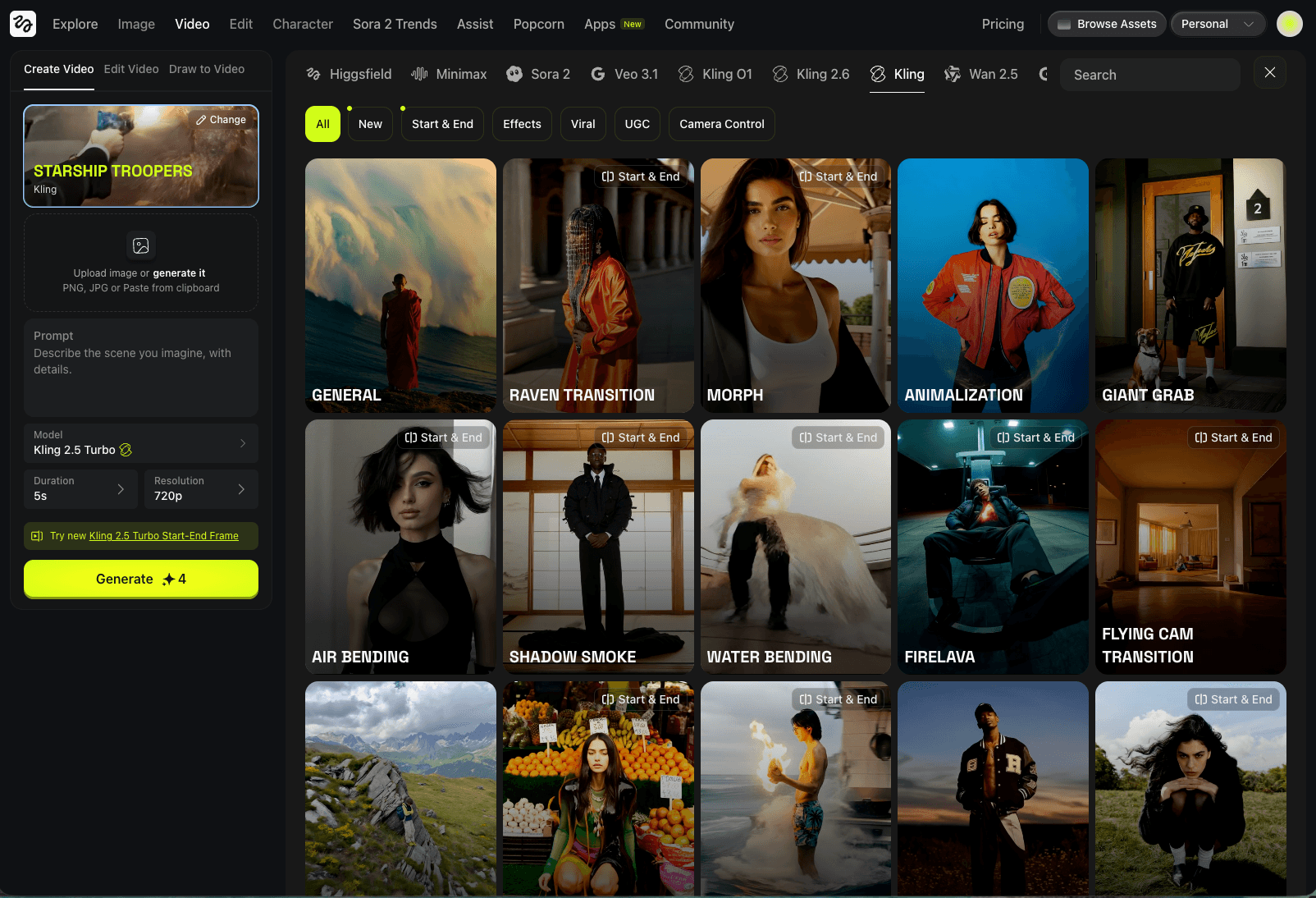

How a fast-growing video generation startup deployed a major model release in hours.
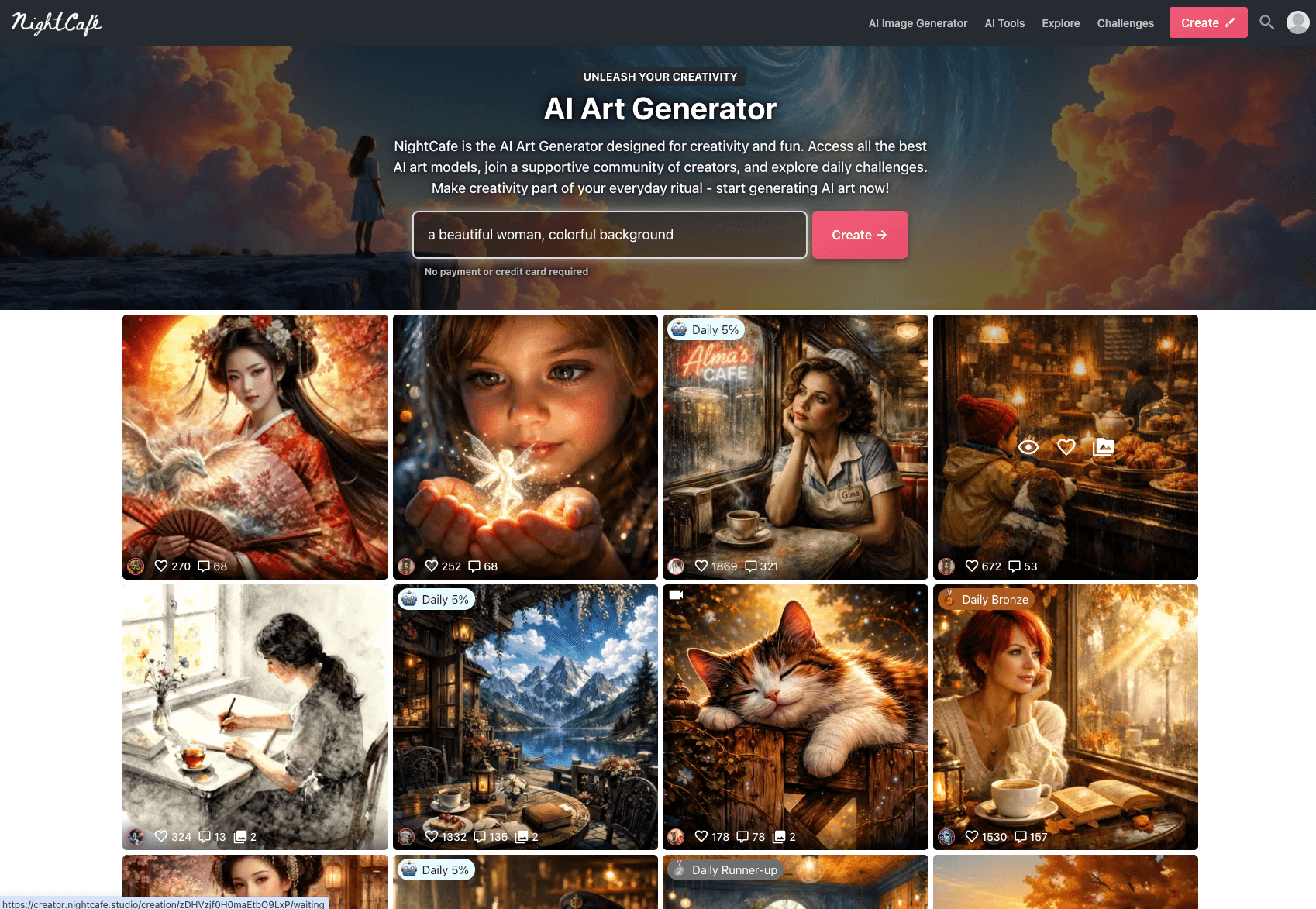
How NightCafe scaled their AI art community without hiring a single infrastructure engineer.
Yes. Runware serves the same open LLMs, gpt-oss, DeepSeek, Gemma, GLM, MiniMax and Kimi among them, per token through an OpenAI-compatible endpoint. The same account runs your own models on Serverless GPUs billed per second, and 400K+ image, video, audio and 3D models behind the same key.
Per 1M tokens: gpt-oss-120b is 79% lower on input and 77% on output; DeepSeek-V4-Flash-0731 is 46% lower on input and 45% on output; Gemma 4 31B is 74% lower on input and 69% on output. GLM-5.3-Flash, MiniMax M3, MiniMax M2.7 and Kimi K3 are the same price on both. Together prices are list prices from together.ai/pricing on 11 Oct, 2026; Runware prices are read from our model pages.
Runware Serverless runs your own containers or Python handlers on dedicated H100, H200, B200 and B300 GPUs, billed per second while a worker is allocated, scaling from zero to production and back. Against Together's on-demand and reserved cluster rates, Runware is 19–33% lower per GPU-hour on the GPUs in the table. Reserved capacity is on a 1 to 24 month term. If you need the machines themselves, with your own Kubernetes stack or SSH access, use GPU Compute. GB200 NVL72 and GB300 NVL72 racks are scoped with our engineers: talk to us.
Not as a managed LLM fine-tuning service today. Runware Serverless runs training and fine-tuning jobs on your own code, on single or multi-GPU workers, and the Models API offers style LoRA training for image models. If you rely on Together's managed LLM fine-tuning, get in touch and tell us what you train.
If you call Together through its OpenAI-compatible endpoint, yes. Runware's /v1/chat/completions speaks the same protocol, streaming and reasoning_content included. Change the base URL, the API key and the model id; see the compatibility reference. If you use Together's own SDK, switch the client to the OpenAI SDK first; the request shape is the same.
The same account runs 400K+ image, video, audio and 3D models: FLUX.2, Qwen Image, Ideogram, Seedream, Nano Banana and Kontext for images, billed per image. The newest video models, Veo 3.1, Kling VIDEO 3.0 Pro, Seedance 2.5 and Wan3.0 among them, are on the same key. Browse the model directory for the model you run.
Everything above is our published rate. Running billions of tokens a month, or a GPU fleet? Talk to us about volume pricing and reserved capacity.