From FLUX.1 [dev] to FLUX 3 Image: four generations of Black Forest Labs models
FLUX 3 Image, Black Forest Labs' first image model built on the FLUX 3 multimodal backbone, is live on Runware. A look back at four generations of BFL image models.

TL;DR
FLUX 3 Image, Black Forest Labs' first image model on the FLUX 3 multimodal backbone, is live on Runware from $0.041 per image (AIR ID bfl:flux@3-image). It generates natively at 4K, accepts up to 10 reference images in one generation, edits existing images without disturbing the rest of the frame, composes images in a specific layout with bounding boxes, and renders and edits text cleanly, in multiple languages.
FLUX 3 Image is live on Runware
FLUX 3 Image is Black Forest Labs' first image model built on the FLUX 3 multimodal backbone, and it is live on Runware now from $0.041 per image.
It is the second FLUX 3 model to be added to the Runware API. FLUX 3 Video arrived in August 2026 with synchronized audio and up to 20 seconds per generation. FLUX 3 Image is the still-image half of the same model line: one network trained jointly across image, video, and audio, rather than a separate image model sitting behind a shared API.


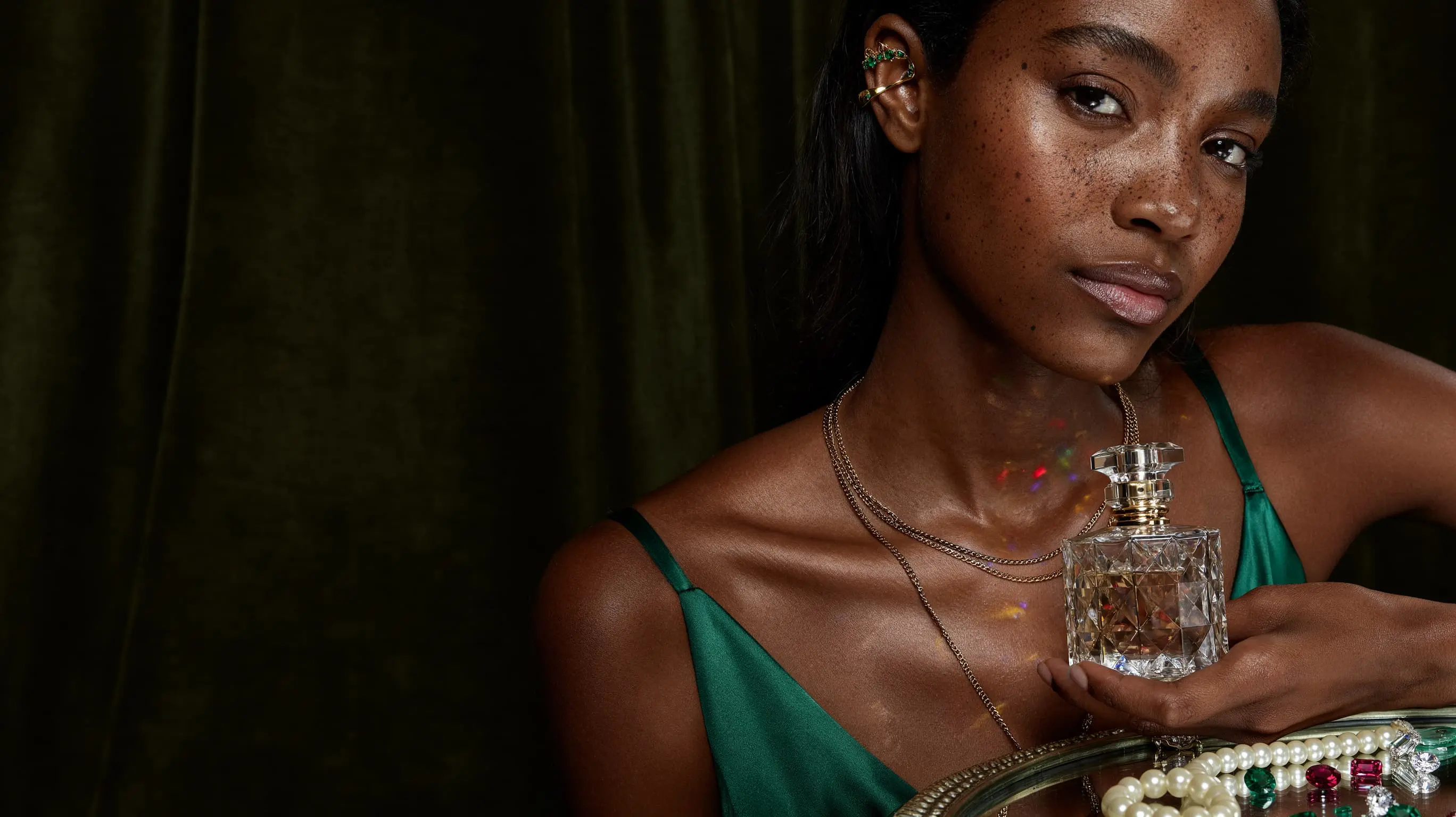


FLUX 3 Image capabilities
Native 4K generation
FLUX 3 Image generates at 4K natively rather than upscaling a smaller render. Textures, faces, patterns, small type, and product details hold up when you zoom, crop, or print, which matters for film work, packaging, and anything that goes to a physical proof.
Resolution is set per request: pick explicit width/height from 60 presets, 15 aspect ratios at each tier, or pass resolution (0.75K, 1K, 2K, or 4K) when at least one reference image is attached, and the output matches the reference's aspect ratio automatically.
Multi-reference generation and editing
Pass up to 10 reference images with a prompt. The model keeps characters, products, and objects recognizable across an edit and across a composition that pulls from several references at once.
Typical calls: put a person from one image in the garment from a second on the street from a third; hold a product's exact shape across a campaign; keep two characters consistent in the same frame.
One generation combines all six references into a single coherent scene: a researcher's face, her outfit, a snowcat, a motorcycle, a dog, and a research station.


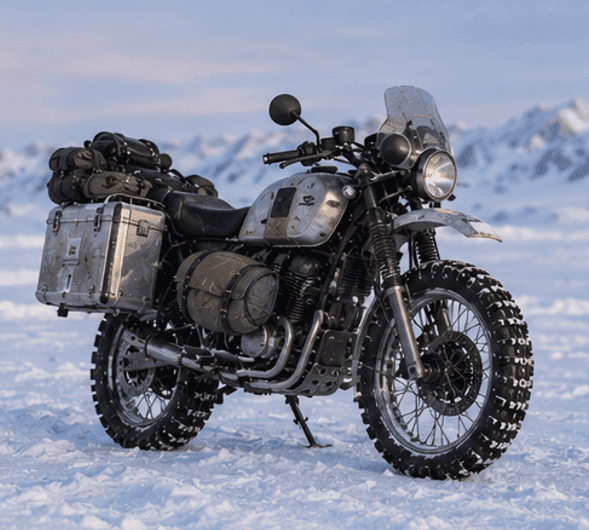


How to give each reference a role in the prompt, and hold a face or a product across a set, is covered in the multi-reference composition guide.
Precise local editing
Add, replace, remove, or restyle one element and leave the rest of the frame alone. Four edits, chained one after another, each one only touching what it was asked to touch:

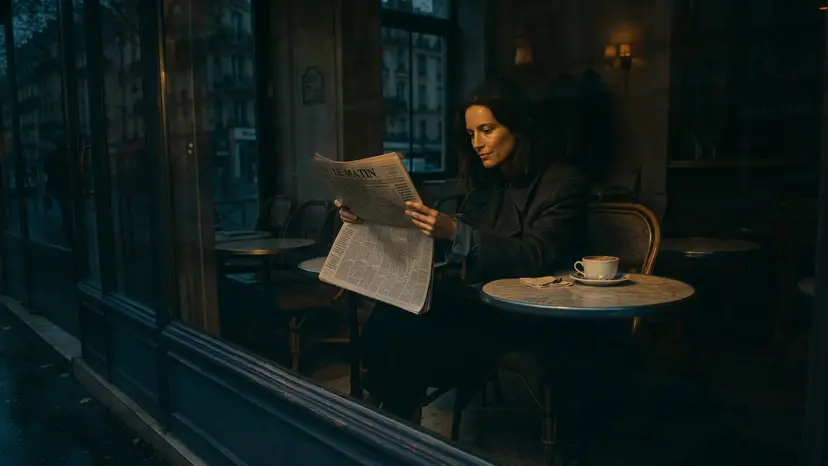


The editing guide covers scoping an instruction, relighting, reframing, and chaining edits without the picture drifting.
Layout control with bounding boxes
Compose images in a specific layout with bounding boxes. On Runware, each element gets a region in settings.boundingBoxes: an id, a targetBox saying where it sits in the output, and an optional description. The prompt refers to each region as <id>, so instead of describing where something goes, the sentence points at it.
Boxes are [top, left, bottom, right] on a grid that runs 0 to 1000 down and across, whatever the output size, so a layout written once holds at every resolution tier.
The same parameter works for editing. With a reference attached, referenceIndex and sourceBox mark an element inside it: matching source and target boxes restyle the element in place, different ones move or resize it. Here, three subjects are added to an empty mountain ledge, each placed in its own region of the reference:
{
  "taskType": "imageInference",
  "taskUUID": "[[uuid v4]]",
  "model": "bfl:flux@3-image",
  "positivePrompt": "Edit the first reference image. Add three subjects to the mountain scene. <region_1>: a female hiker seated on the left rocky ledge, seen from behind in three-quarter profile, wearing a rust-red jacket, olive cap, dark pants, and a large olive backpack. <region_2>: a golden retriever seated upright directly beside her on the right, wearing a dark hiking harness and looking toward the mountains. <region_3>: a small matte olive-green water bottle standing upright on the rock to the dog's right. Arrange them left to right as woman, dog, bottle. Match the existing perspective, warm sunlight, shadows, and photorealistic style.",
  "resolution": "2K",
  "inputs": { "referenceImages": ["<the empty ledge>"] },
  "settings": {
    "boundingBoxes": [
      {
        "id": "region_1",
        "referenceIndex": 0,
        "sourceBox": [90, 125, 745, 405],
        "targetBox": [90, 125, 745, 405]
      },
      {
        "id": "region_2",
        "referenceIndex": 0,
        "sourceBox": [245, 375, 775, 560],
        "targetBox": [245, 375, 775, 560]
      },
      {
        "id": "region_3",
        "referenceIndex": 0,
        "sourceBox": [540, 560, 830, 630],
        "targetBox": [540, 560, 830, 630]
      }
    ]
  }
}
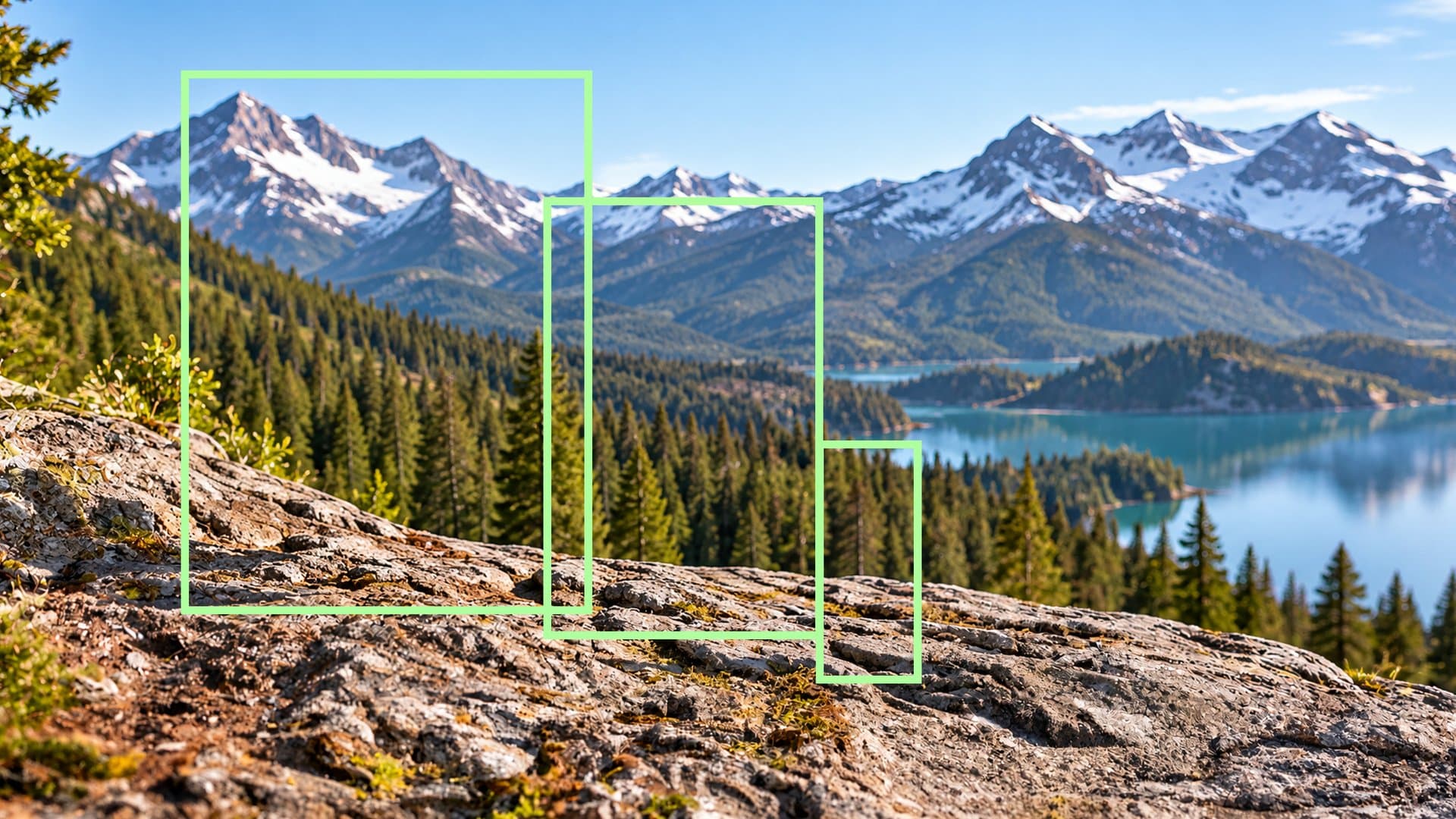
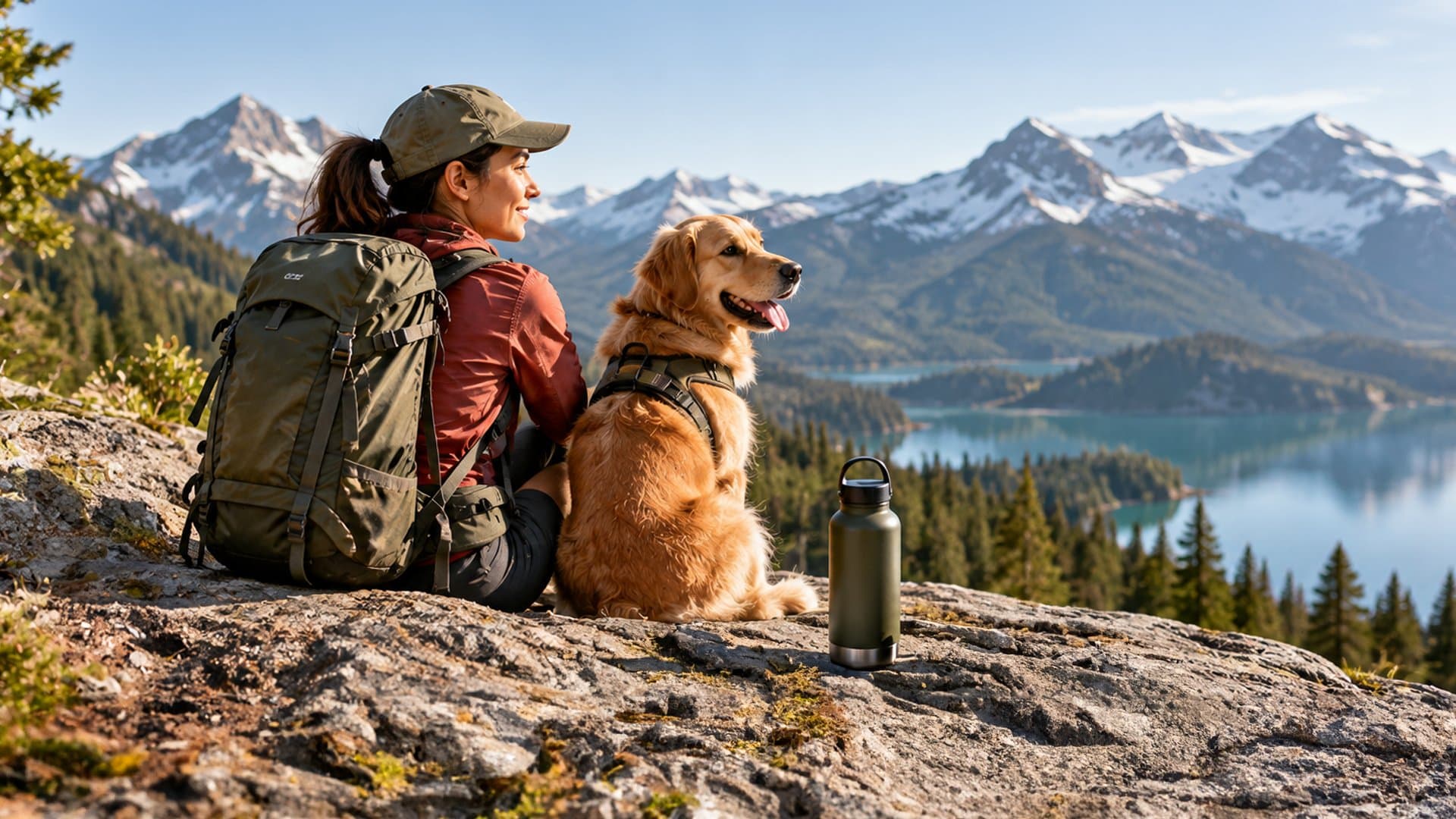
The reference image: an empty ledge.
Composing a layout from scratch, moving and removing elements, and picking one reference out of several are all covered in the bounding boxes guide.
Text rendering and text editing
Typography is the biggest jump from earlier FLUX generations. FLUX 3 Image renders multilingual text inside the image at high accuracy, and it can edit text that already exists in a frame while keeping the original font, weight, and lighting. That covers ad variants, localization passes, infographics, and packaging comps.
![Risograph-style gig poster reading Night Shift, generated by FLUX.1.1 [pro]](/_next/image?url=https%3A%2F%2Fwebsite.runware.ai%2Fimages%2Fblog%2Fflux-3-image-four-generations%2Ftext-rendering-poster-flux-1-1-pro.jpg&w=828&q=75)
![Risograph-style gig poster reading Night Shift, generated by FLUX.2 [pro]](/_next/image?url=https%3A%2F%2Fwebsite.runware.ai%2Fimages%2Fblog%2Fflux-3-image-four-generations%2Ftext-rendering-poster-flux-2-pro.jpg&w=828&q=75)

Quoting the exact string, directing the typography, and editing copy in place are covered in the text rendering guide.
Prompt adherence
Complex, multi-subject prompts (several people in one frame, each doing something different) are where earlier FLUX iterations start to blend actions together. FLUX 3 is a generational leap forward in prompt adherence.
Both scenes below are written in the five-part order the prompting guide recommends: subject, action, location, composition, style. The guide also covers directing the camera and choosing an output size.
A busy kitchen, four distinct actions
- Subject
- Four chefs working around a stainless-steel island in a busy restaurant kitchen.
- Action
- The chef on the left chops herbs
- The center-left chef tosses vegetables in a flaming pan
- The center-right chef carefully plates a dish with tweezers
- The chef on the far right tastes a sauce from a spoon
- Location
- High-end open restaurant kitchen during dinner service.
- Composition
- Wide eye-level shot showing all four chefs simultaneously, each action clearly visible and spatially separated, stainless-steel surfaces creating depth through reflections.
- Style
- Documentary culinary photography, warm practical lighting mixed with overhead kitchen light, natural candid expressions, realistic steam and flame.
![Four chefs in a kitchen, generated by FLUX.1.1 [pro]](/_next/image?url=https%3A%2F%2Fwebsite.runware.ai%2Fimages%2Fblog%2Fflux-3-image-four-generations%2Fprompt-adherence-chef-flux-1-1-pro.jpg&w=828&q=75)
![Four chefs in a kitchen, generated by FLUX.2 [pro]](/_next/image?url=https%3A%2F%2Fwebsite.runware.ai%2Fimages%2Fblog%2Fflux-3-image-four-generations%2Fprompt-adherence-chef-flux-2-pro.jpg&w=828&q=75)

A roadside diner, every element in its place
- Subject
- A red vintage convertible parked beside a small roadside diner
- A blue motorcycle positioned directly behind the car
- A yellow suitcase standing upright on the pavement in front of it
- Action
- A woman in a white jumpsuit is opening the driver-side door
- A man in a dark denim jacket sits on the motorcycle looking toward her
- Location
- Empty desert highway in Nevada, weathered 1950s diner, distant mountains and telephone poles.
- Composition
- Wide cinematic shot from across the road, car dominating the center-left, diner on the right, motorcycle clearly visible behind the car, suitcase in the foreground.
- Style
- Late-afternoon sunlight, faded Kodachrome colors, subtle film grain, 1970s American road-movie photography.
![Vintage convertible and motorcycle outside a roadside diner, generated by FLUX.1.1 [pro]](/_next/image?url=https%3A%2F%2Fwebsite.runware.ai%2Fimages%2Fblog%2Fflux-3-image-four-generations%2Fprompt-adherence-car-flux-1-1-pro.jpg&w=828&q=75)
![Vintage convertible and motorcycle outside a roadside diner, generated by FLUX.2 [pro]](/_next/image?url=https%3A%2F%2Fwebsite.runware.ai%2Fimages%2Fblog%2Fflux-3-image-four-generations%2Fprompt-adherence-car-flux-2-pro.jpg&w=828&q=75)

All three models capture the essence of the requested prompt, but only FLUX 3 Image follows the exact direction, with the most realism and visual fidelity of the three.
From FLUX.1 [dev] to FLUX 3 Image
Black Forest Labs has shipped four generations of image models in a little over two years, and along the way each release changed what a single FLUX model could be asked to do. FLUX.1 made open text-to-image competitive with closed models. FLUX.1.1 [pro] made it fast and high-resolution. Kontext folded editing into the same model. FLUX.2 added multi-reference composition at production scale. FLUX 3 trains one backbone on images, video, and audio together.
The same four prompts, run on one model from each generation, oldest to newest:
12B open weights, text-to-image only, and the base for most community LoRAs.
Faster, with better prompt adherence and a clear step up in quality.
Generation and editing in one model, up to 9 references, 4MP output.
Native 4K, sharper multi-reference editing, multilingual text rendering.
August 2024: FLUX.1 resets the open-model baseline
Black Forest Labs came out of stealth on August 1, 2024. Its founders, led by CEO Robin Rombach, are the researchers behind VQGAN, Latent Diffusion, and Stable Diffusion, and the company launched with a $31 million seed round led by Andreessen Horowitz.
FLUX.1 was a 12B-parameter rectified flow transformer, released in three tiers that set the pattern for every generation since: [pro] through the API, [dev] as open weights under a non-commercial license, and [schnell], a distilled one-to-four-step model under the permissive Apache 2.0 license. BFL's own evaluations put [pro] and [dev] ahead of Midjourney v6.0, DALL·E 3 (HD), and SD3 Ultra, and early reviewers singled out how well it handled hands and text.
Adoption was immediate. xAI brought FLUX.1 into Grok within two weeks, ComfyUI supported it within days, and Mistral's Le Chat used FLUX Pro for image generation by November. FLUX.1 [dev] became, in BFL's words, "the most popular open image model globally", with more than 40,000 adapters built on it on Hugging Face, and it remains one of the most widely fine-tuned bases for community LoRAs.
October–November 2024: faster, sharper, then controllable
FLUX.1.1 [pro] arrived on October 2, 2024: six times faster than the original FLUX.1 [pro], with better image quality, prompt adherence, and diversity. BFL had tested it anonymously in the Artificial Analysis arena under the codename "blueberry", where it took the highest overall Elo score. A month later, Ultra mode raised output to 4MP, four times the standard resolution, with inference speeds of around ten seconds per image, and Raw mode swapped the polished look for something closer to candid photography.
FLUX.1 Tools followed on November 21: Fill for inpainting and outpainting, Depth and Canny for structural guidance, and Redux for image variations. FLUX could now be steered by masks, depth maps, and edges, but each kind of control was still its own model.
May 2025: Kontext puts generation and editing in one model
FLUX.1 Kontext, launched on May 29, 2025, was the turning point. Kontext takes text and images together as the prompt, so one model can generate, make a local edit, carry a character into a new scene, or borrow a style. BFL's paper describes it as "a generative flow matching model that unifies image generation and editing", and it introduced KontextBench, 1,026 image and prompt pairs covering local edits, global edits, character reference, style reference, and text editing.
Runware was a launch partner. When the open-weights FLUX.1 Kontext [dev] followed on June 26, it brought instruction-based editing of that quality to a 12B model that runs on consumer hardware. In July, FLUX.1 Krea [dev], built with Krea, took aim at the oversaturated "AI look".
November 2025: FLUX.2 is built for production
FLUX.2 launched on November 25, 2025 with a rebuilt architecture. The CLIP and T5 text encoders gave way to a single 24B-parameter Mistral vision-language model coupled to the rectified flow transformer, the open [dev] model grew to 32B parameters, and a new VAE shipped under Apache 2.0.
The headline was what Kontext started, at production scale: generation and editing in one model, several reference images in a single request, output and editing up to 4MP, and typography reliable enough for infographics and UI mockups. Prompts got more precise too, with exact matching to hex codes and support for structured JSON prompts. BFL's own framing: "Where FLUX.1 showed the potential of media models as powerful creative tools, FLUX.2 shows how frontier capability can transform production workflows."
FLUX.2 [max] followed on December 16 with grounding in real-time web search, and FLUX.2 [klein] on January 15, 2026: 4B and 9B models that generate and edit in well under a second on data-center GPUs, picking up where [schnell] left off. In between, BFL raised a $300 million Series B at a $3.25 billion valuation.
2026: FLUX 3, one backbone for images, video, and audio
FLUX 3 changes what a FLUX model is. Announced on July 23, 2026, it is a single multimodal foundation model that, in BFL's words, "jointly learns from images, videos, and audio within a unified architecture", rather than separate image, video, and audio models behind one API. It builds on Self-Flow, BFL's approach to aligning generation and understanding in the same architecture, and video prediction accounts for over 95% of its training compute. Robin Rombach put the reasoning plainly: "You can't cheat reality. A model that only learns images can only generate images."
FLUX 3 Video went live on August 4 with synchronized audio and up to 20 seconds per generation. By then, FLUX models had passed 500 million downloads. FLUX 3 Image followed on October 1, 2026, and it brings the whole line together, with each generation's headline capability carried forward and extended on the new backbone:
- Text-to-image, from FLUX.1 in August 2024 to stronger prompt adherence on complex, multi-subject scenes.
- High resolution, from 4MP in FLUX.1.1 [pro] Ultra to native 4K generation.
- Structural control, from the masks, depth maps, and edges of FLUX.1 Tools to bounding boxes set per element on a 0–1000 grid.
- Editing, from FLUX.1 Kontext to multi-turn local edits that leave the rest of the frame alone.
- Multiple references, from FLUX.2 to up to 10 references in one request.
- Typography, from FLUX.2's infographics and UI mockups to multilingual text placed, styled, and edited in the frame.
- Modalities, from images only to one backbone trained on images, video, and audio.
The FLUX catalog on Runware
| Model | Released | Price | AIR ID |
|---|---|---|---|
| FLUX.1 [schnell] | Aug 2024 | from $0.0006 | runware:100@1 |
| FLUX.1 [dev] | Aug 2024 | from $0.0013 | runware:101@1 |
| FLUX.1.1 [pro] | Oct 2024 | from $0.04 | bfl:2@1 |
| FLUX.1.1 [pro] Ultra | Nov 2024 | from $0.06 | bfl:2@2 |
| FLUX.1 Kontext [pro] | May 2025 | from $0.04 | bfl:3@1 |
| FLUX.1 Kontext [max] | May 2025 | from $0.08 | bfl:4@1 |
| FLUX.1 Kontext [dev] | Jun 2025 | from $0.0098 | runware:106@1 |
| FLUX.2 [dev] | Nov 2025 | from $0.009 | runware:400@1 |
| FLUX.2 [pro] | Nov 2025 | from $0.03 | bfl:5@1 |
| FLUX.2 [max] | Dec 2025 | from $0.07 | bfl:7@1 |
| FLUX.2 [klein] 4B | Jan 2026 | from $0.0006 | runware:400@4 |
| FLUX.2 [klein] 9B | Jan 2026 | from $0.00078 | runware:400@2 |
| FLUX 3 Image | Oct 2026 | from $0.041 | bfl:flux@3-image |
Why Runware for FLUX 3 Image
FLUX 3 Image runs on Runware's pay-as-you-go multimodal inference API alongside every other model on the platform (image, video, audio, and LLMs), under one key and one bill, with no dedicated infrastructure to provision or manage. There's no lock-in: swap between FLUX 3 Image, other BFL image models, or a different provider entirely without rewriting your integration. Pricing follows Runware's standard usage-based model, billed per image (see the pricing page and the rates below).
Running FLUX 3 Image on Runware
FLUX 3 Image is available now through Runware's multimodal inference API and Playground. Full parameter documentation lives on the model's docs page. A request to https://api.runware.ai/v1 might look like:
{
"taskType": "imageInference",
"taskUUID": "[[uuid v4]]",
"model": "bfl:flux@3-image",
"positivePrompt": "A hand-painted bakery sign reading 'PAIN & BEURRE' above a Paris shopfront, gold leaf lettering on dark green, morning light, 50mm",
"width": 1024,
"height": 1024
}
A few of the parameters worth knowing before your first request:
| Parameter | What it does |
|---|---|
positivePrompt | The only required field besides task type and model, up to 32,000 characters. Describes the scene, edit, or composition. |
inputs.referenceImages | Up to 10 reference images (UUID, URL, Data URI, or Base64) to hold consistent across an edit or composition. |
width / height | Exact output dimensions in pixels, from 60 presets: 15 aspect ratios (21:9 to 9:21) at each of the four tiers. Required for a plain text-to-image request; mutually exclusive with resolution. |
resolution | An alternative to width/height: 0.75K, 1K, 2K, or 4K. Only works alongside at least one reference image, and matches that reference's aspect ratio automatically. |
Pricing is usage-based and flat across text-to-image and image-to-image. Only the resolution changes the price:
| Resolution | Price per image |
|---|---|
0.75K | $0.041 |
1K | $0.048 |
2K | $0.100 |
4K | $0.607 |
For launch, every FLUX 3 Image generation on Runware is 50% off through October 8, 2026. The FLUX 3 Image page always shows the current rates.
Swap the model ID into a request you're already sending, and that's the whole integration: the same endpoint, the same key, and the same pay-as-you-go pricing as every other model on Runware.
Frequently asked questions
Try FLUX 3 Image on Runware.
Native 4K, up to 10 references, bounding boxes, and multilingual text, from $0.041 per image.
Launch FLUX 3 Image