Best Video
Frontier video generation across cinematic ads, character animation, and image-to-video pipelines.
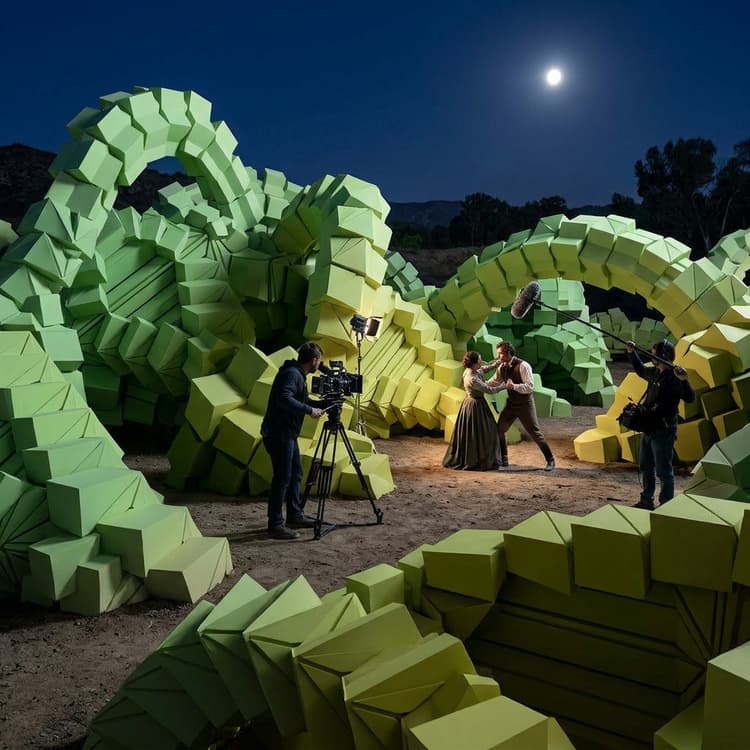
Veo 3.1 cinematic AI video with native audio

High-fidelity multimodal video generation with native audio and advanced editing

High speed Google Veo 3.1 Fast text to video generation
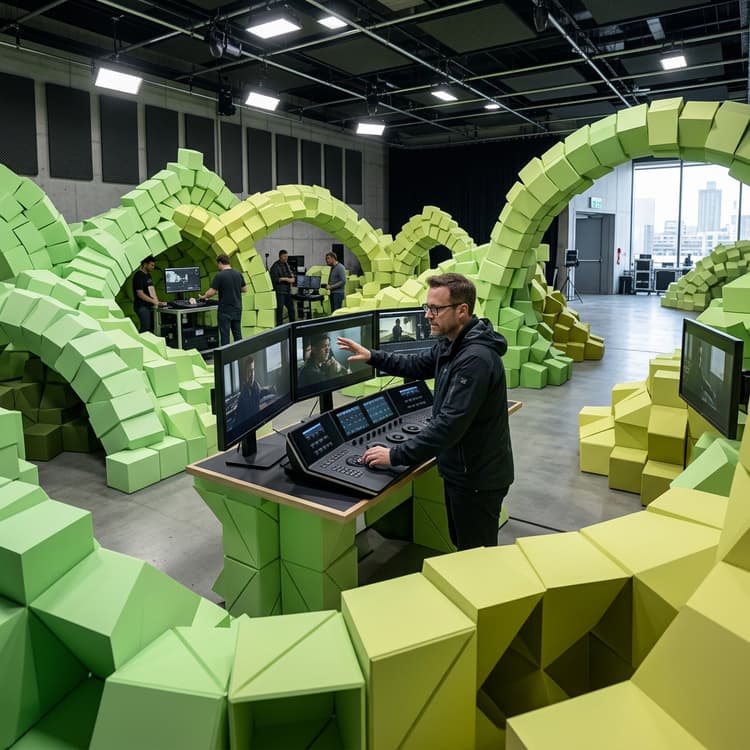
Faster multimodal video generation tuned for latency and iteration speed

Advanced multimodal video generation with text and image input
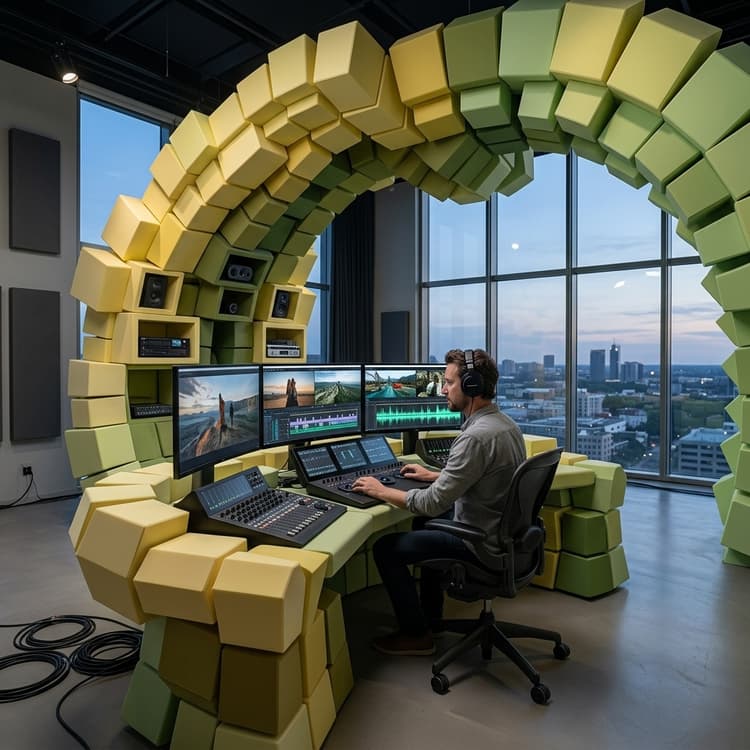
High-fidelity multimodal video generation with native audio, editing workflows, and up to 4K output

High fidelity AI video generation from text or images
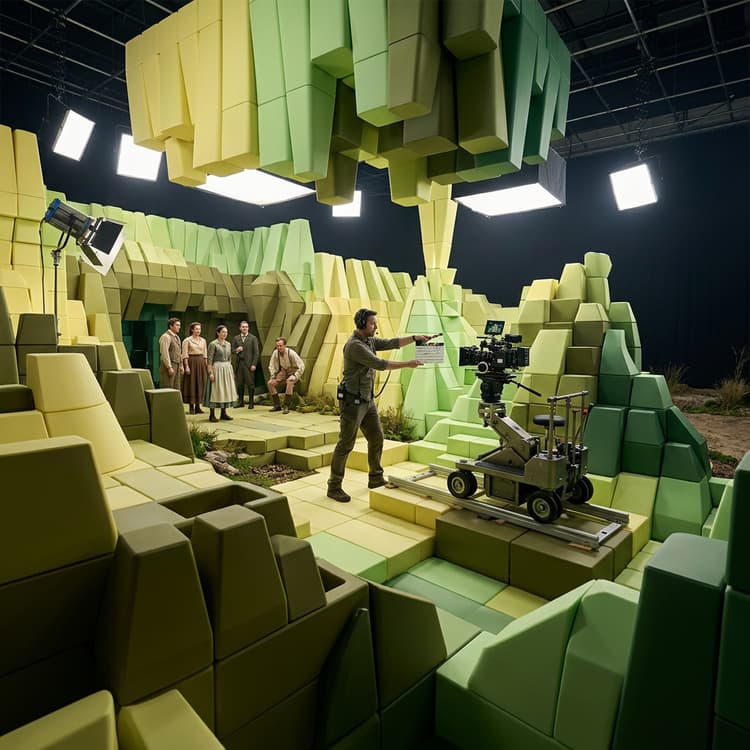
Multimodal video generation with reference consistency, video editing, and native audio
The picks.Cinematic motion and production fidelity
Ads, character animation, image-to-video, and iteration.

Cinematic video with native audio synthesis. Best motion coherence and prompt adherence on Runware. Ad and short-form production grade.
Tradeoff. Premium per-second pricing; longer clips compound cost quickly. Use Veo 3.1 Fast for iteration and reserve full Veo for final renders.

Kling VIDEO 3.0 Pro
High-fidelity multimodal video generation with native audio and advanced editing

Seedance 2.0 Fast
Faster multimodal video generation tuned for latency and iteration speed

Runway Gen-4.5
Advanced multimodal video generation with text and image input

LTX-2.5 Pro
High-fidelity multimodal video generation with native audio, editing workflows, and up to 4K output

MiniMax Hailuo 2.3
High fidelity AI video generation from text or images

Common questions
Veo 3.1 is this collection's best-overall pick. Kling VIDEO 3.0 Pro is the highest-fidelity tier when quality outranks cost. Wan2.7 is the strongest open-weight option on the list.
Veo 3.1 Fast is this collection's fastest pick. Reserve Veo 3.1 for output that ships to end users.
Wan2.7 is this collection's open-weights pick. Check the model page for the current license terms before shipping or self-hosting.
Veo 3.1 and Kling VIDEO 3.0 Pro and Veo 3.1 Fast and Wan2.7 generate native audio — dialogue, ambience, and effects — in the same generation. For picks without native audio, pair the output with a TTS or music model for the soundtrack.
Tradeoffs to consider
Frontier picks (Veo 3.1, Kling 3.0 Pro) run 3–5× the per-second cost of fast-tier alternatives. For consumer apps shipping at scale, a two-tier strategy (fast picks for preview, frontier picks for export) is the difference between profitable and not.
Seedance Fast and Veo 3.1 Fast trade some motion coherence for ~2× faster render times. Use them for iteration and mood reels; reserve frontier picks for final cuts. The picks here include both tiers per editorial intent.
Wan 2.7 is the strongest open-weight video option on Runware, within ~15% of frontier quality on most prompts. Reach for it when portability, on-prem deployment, or audit requirements rule out closed models. Frontier picks (Veo, Kling) remain meaningfully ahead on cinematic motion.
All picks here are cleared for commercial use through Runware, but underlying license terms vary. Veo and Kling are the safest defaults for brand work and paid media. Open-weight picks sometimes carry stricter clauses on redistribution and training on outputs. Check the model page before any external launch.
Production notes
Video models bill by output duration, not by request. Veo 3.1, Kling 3.0 Pro, and Seedance all list per-second rates in the catalog; some vary the rate by resolution or with-audio tier. A single 8-second cinematic clip from Veo 3.1 will run several dollars; a 4-second iteration pass on Veo Fast or Seedance Fast is a fraction of that. Budget accordingly. The displayed price on each row is normalised to one-second of finished output so picks are scannable side-by-side, but plan your spend against actual clip length and the number of variants per concept.
Full pricing reference →Wire a fast pick into the iteration path. Veo 3.1 Fast and Seedance 2.0 Fast render at roughly half the wall-clock and per-second cost of frontier picks, which is what lets a team push dozens of variants through in a single session. Reserve full Veo 3.1 and Kling 3.0 Pro for the export render once the prompt and reference set are locked. Most generations a video team makes are throwaway exploration; two-tiering the pipeline cuts median spend by 5-8x without hurting the perceived quality of the final cut.
Cost optimization patterns →Every model in this collection sits behind a Runware-managed endpoint with SLA, but no single upstream is bullet-proof and video queues are deeper than image queues. Pair each frontier pick with a same-tier alternative. Veo 3.1, Kling 3.0 Pro, and Runway Gen-4.5 cover similar cinematic envelopes; Lightricks LTX-2.5 Pro and Hailuo 2.3 cover image-to-video and character work. Route to the fallback on 5xx or queue-depth thresholds. One-line config in the API.
Routing and reliability →License terms vary sharply across video models, more so than for image. Veo, Kling, and Runway are the safest defaults for brand-led creative, paid media, and anything that goes on a client deliverable. Open-weight picks like Wan 2.7 carry stricter commercial-use clauses than their base licenses suggest, particularly around redistribution and training on outputs. The native-audio output on Veo also has its own commercial terms. Re-check the model page before any external launch.
Licensing reference →Pin the version in your API calls ([email protected], not google-veo-3-1). Video models iterate fast: Kling moved through 3.0 to 3.0 Pro to 4K in a quarter, Veo Fast variants ship almost monthly. When a new release of a model lands in this collection, you want to opt in to the upgrade and re-eval your prompts against it, not have it happen to you mid-campaign with subtly different motion characteristics.
API reference →About this collection
The video generation landscape moves fast. Every month a new model claims the top spot on motion coherence, prompt adherence, or character consistency. Most teams do not have the bandwidth to test them all against their own workload. This collection answers a single question we hear from product and creative teams building video features on Runware: which video models would you ship with today? It is intentionally small. It covers the production-relevant range (cinematic, character, image-to-video, editing, fast iteration, open-weight) biased toward models with strong motion coherence, predictable latency, transparent per-second pricing, and a license you can actually ship behind. It is not a leaderboard.
Each new video model that launches on Runware runs a small fixed eval set built by our team: cinematic camera moves, character motion across 5-10 second clips, hands and faces under occlusion, image-to-video subject preservation from a reference frame, prompt adherence on long structured prompts, and audio-video sync where the model supports native audio. Results are logged against the previous champion. A model only joins the picks if it clears three additional bars on top of raw quality: predictable wall-clock under production queue load, transparent per-second pricing, and a license that lets you actually use the output. Where the leader is too expensive or too slow for a given job (iteration loops, image-to-video, open-weight deployments) we add a runner labelled fastest, best for editing, or best open weights so the picks cover the full production envelope.
Every pick on this page links to its model page with the full API reference, parameter ranges, supported aspect ratios, and per-second pricing breakdown. The Runware Learning Center covers cross-model video topics: prompt structure for motion and camera, image-to-video reference workflows, character consistency across clips, native audio prompting on Veo, and queue-aware batch pipelines. When a model ships with its own guide, an inline Read guide link appears in the expanded row.
Browse the Learning Center →New video models run the eval set the week they land on Runware. When a new entrant clears the bar against the current champion across motion coherence, latency, per-second cost, and licensing, it replaces the previous pick and we publish a short note explaining the swap. Models that fall out of the picks remain in the broader video catalog. There is no fixed cadence; the collection moves when the field moves, which for video is roughly every six to eight weeks right now.
How we evaluate models →Every pick on this page runs on Runware's video inference layer: a unified API with predictable wall-clock, transparent per-second pricing, and a single billing surface. You can hit each model directly through its original provider if you prefer, but routing through Runware means consistent error handling, SLA-backed uptime, version pinning, queue-aware fallback routing, and the ability to switch between picks (Veo to Kling to Runway) without rewriting your integration. The picks here are deliberately chosen so swapping between same-tier alternatives is a one-line change.
About Runware →Related collections.More ways to build
Browse all collections→Best image to video
Animate a still or product frame into a clip with strong subject preservation.
Open →SPEEDFastest video generation
Speed-tier picks for previz, iteration loops, and mood reels.
Open →AVATARBest lipsync & avatars
Character animation, lipsync models, and avatar workflows.
Open →SOTAState of the art models
The frontier production picks across every modality, not just video.
Open →